Author: Admin

  • Dead Images Films

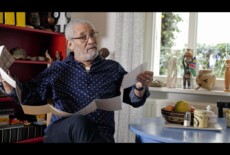
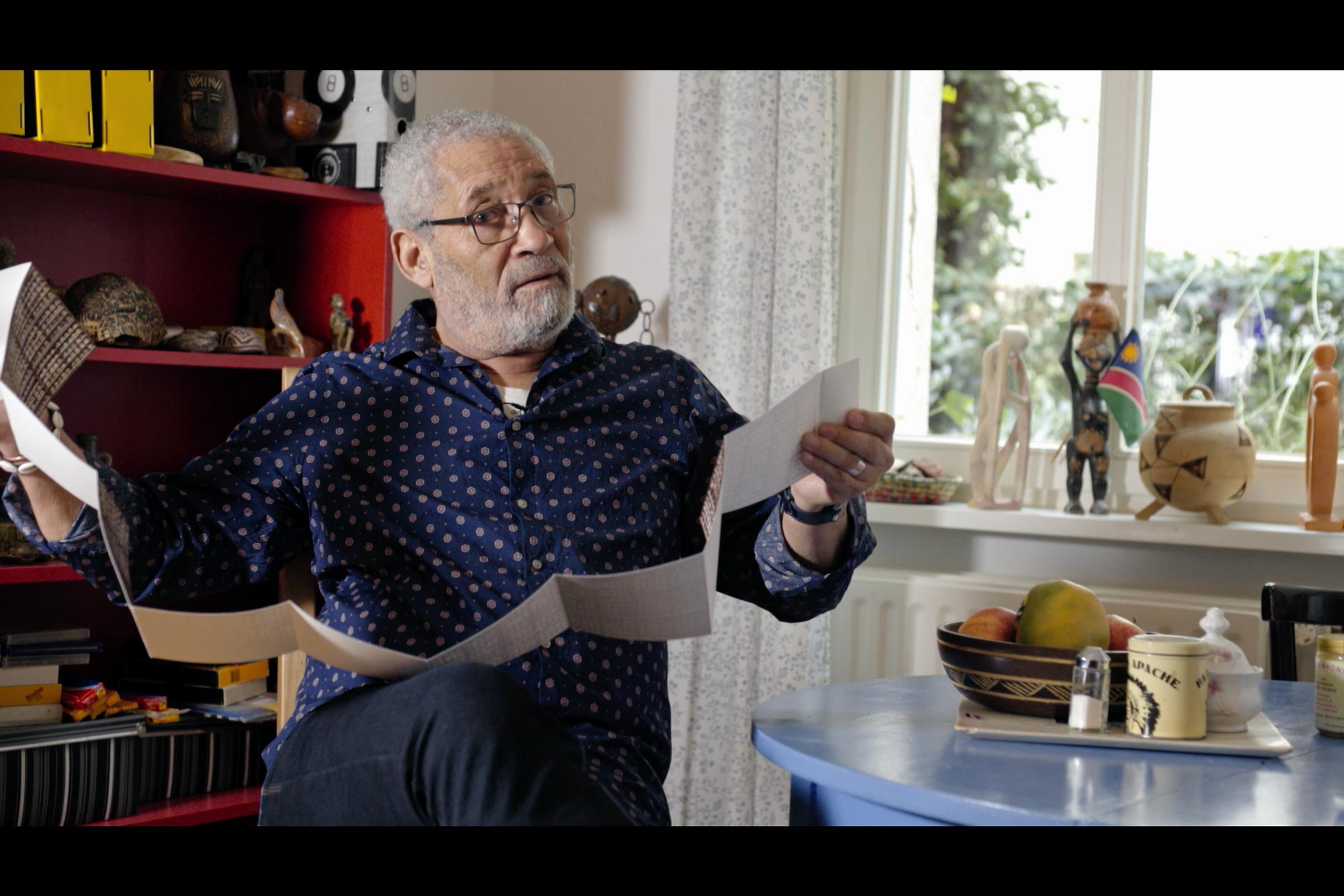
    A man sitting, holding a long collapsible print with both hands, looking at the camera.
    Israel Kaunatjike. Still from the video PHOTOGRAPH, part of the Dead Images exhibition, 2018.

    Dead Images Films

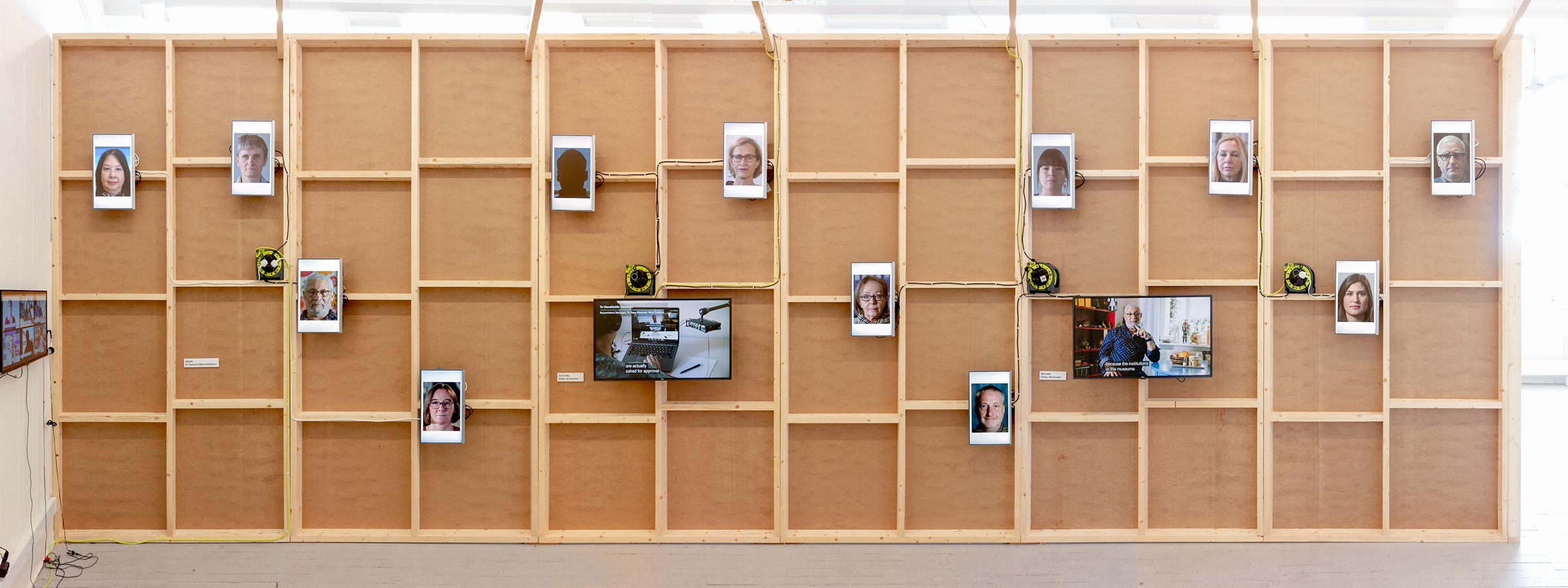
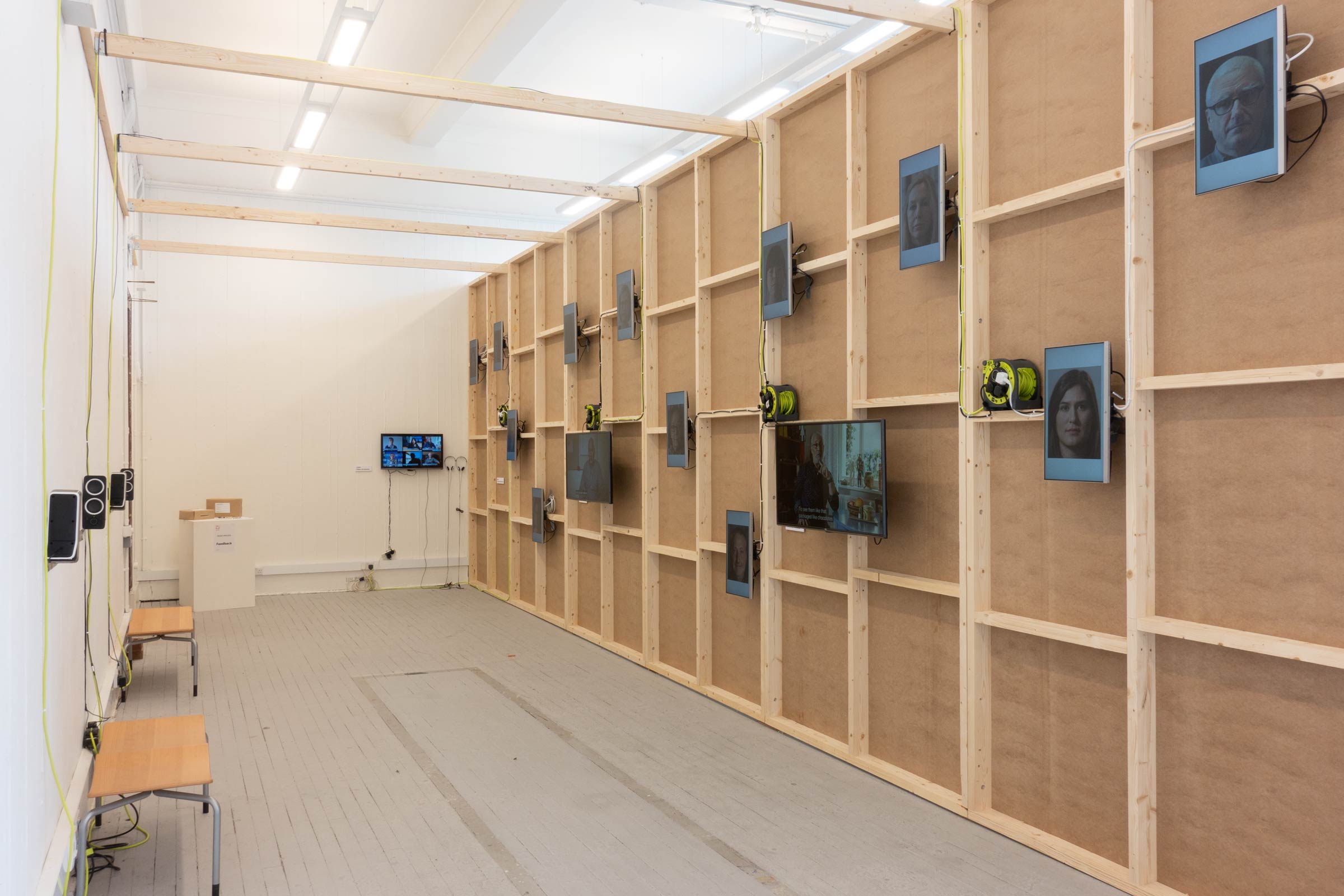
    Over the course of the project, Tal Adler conducted filmed interviews with people whose relationships to human and ancestral remains reflected a wide spectrum of experiences, interests, and stances. Interviewees included representatives of descendant communities and advocates for repatriation, museum directors and collection custodians, physical anthropologists and other researchers, religious representatives, artists, writers, and activists. Rather than seeking to reconcile their positions, the films bring them alongside one another, allowing questioning, disagreement, and different understandings of, and relationships to, the dead to remain visible.

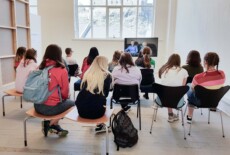
    Three films – RETURN, CULTURE, and PHOTOGRAPH – were edited thematically from 21 of these interviews. Together, they move between questions of belonging, ownership, and return; scientific and spiritual practices; objectification and re-humanization; and the ethics of collecting, researching, photographing, and displaying human remains. In the exhibition, the films preceded the barred space in which the panorama was mounted, introducing visitors to these different perspectives and dilemmas before they could decide whether or not to view the panorama.


    CULTURE

    25 min

    CULTURE considers how human remains are understood and treated across different scientific, cultural, and spiritual contexts. The film examines the processes through which a deceased person can become a scientific specimen – removed from social relations, classified, labelled, stored, and made comparable – alongside perspectives in which the dead remain persons, relatives, or ancestors.
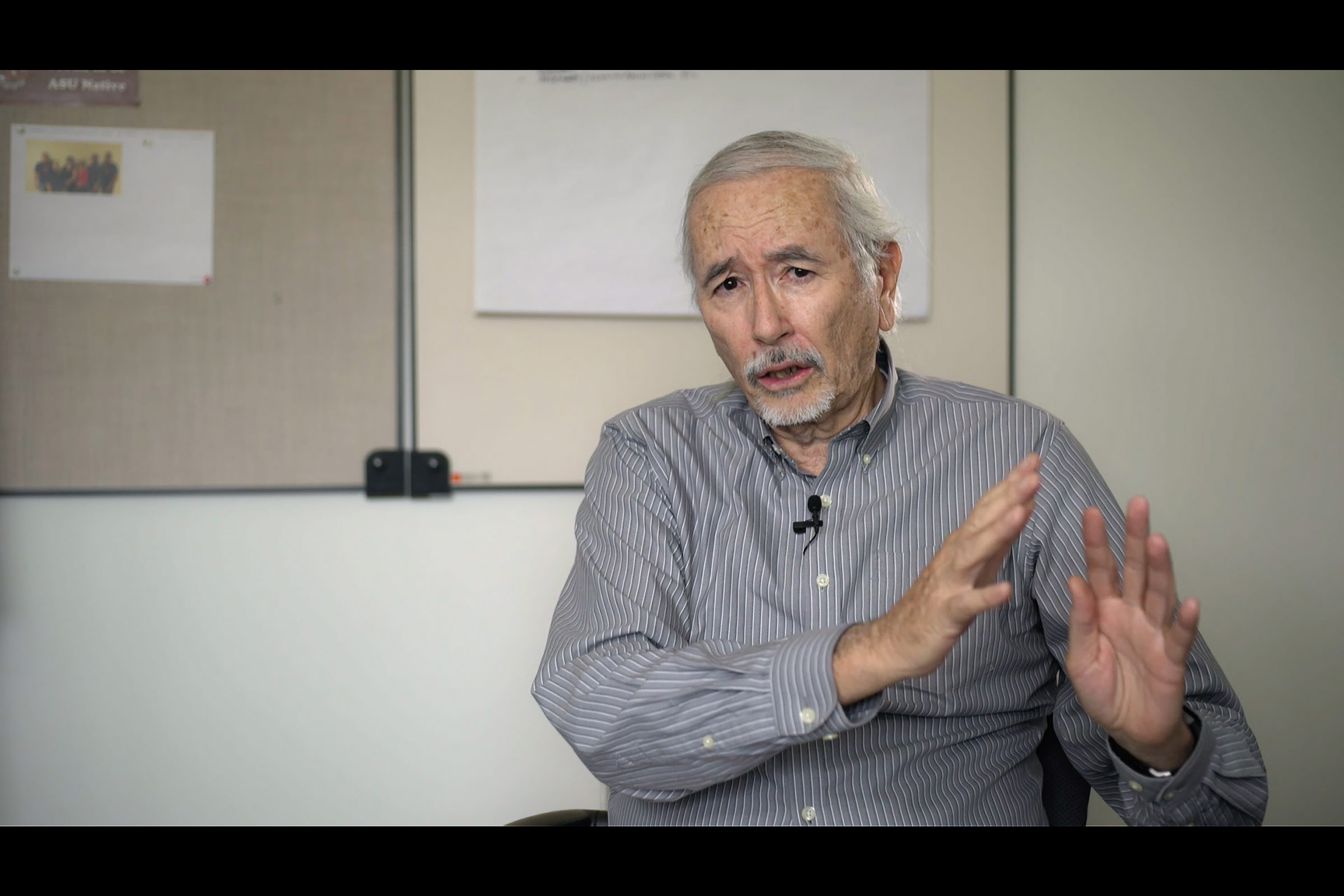
    Man sitting in an office space, talking

    RETURN

    29 min

    RETURN brings together different positions on the ownership, custody, and repatriation of human and ancestral remains. The film juxtaposes arguments for the return of ancestors to their communities with perspectives from those responsible for scientific collections, exposing fundamental differences in how responsibility, ownership, research, and the purpose of museums are understood.
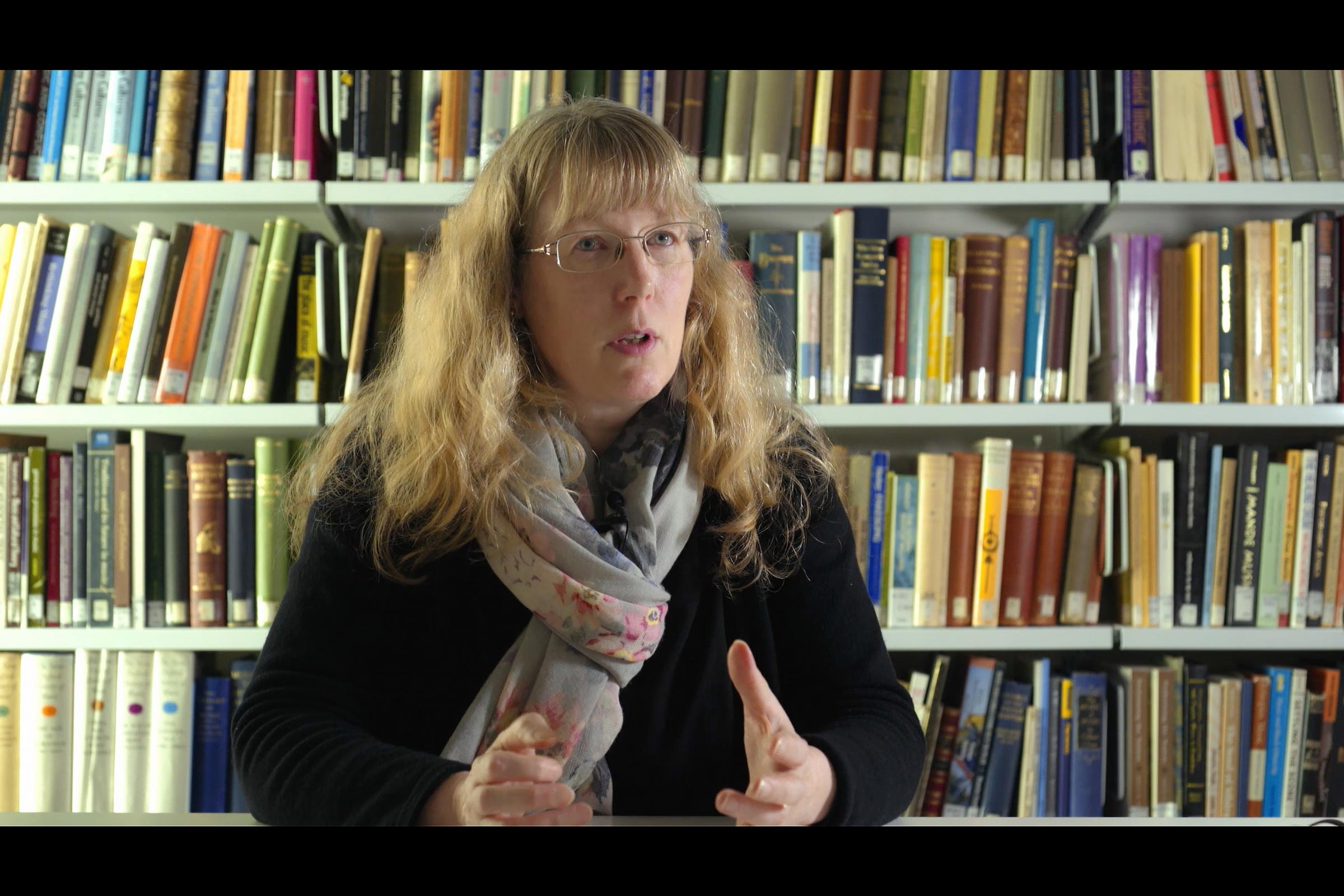
    Woman sitting, behind her books on shelves.

    PHOTOGRAPH

    15 min

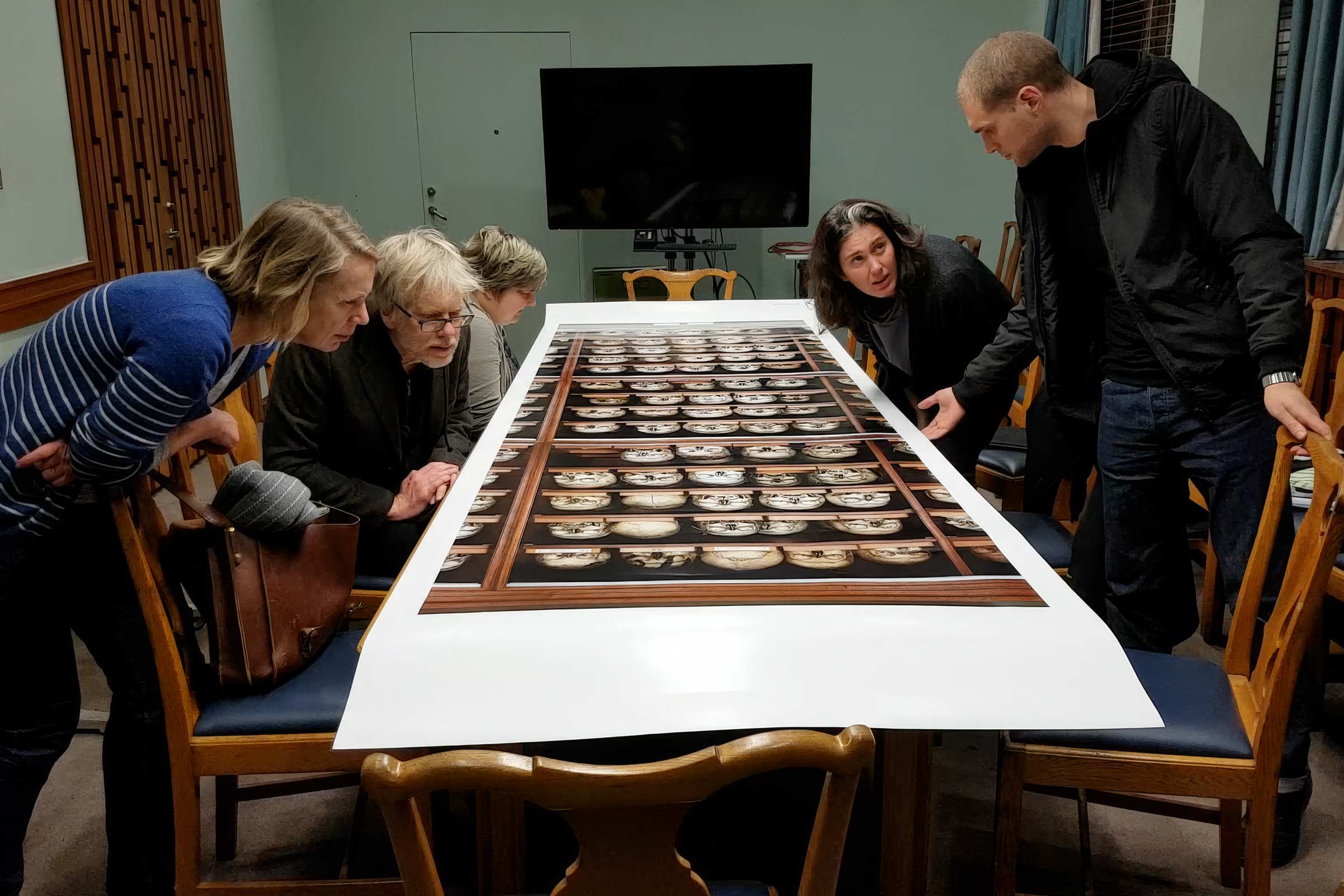
    PHOTOGRAPH turns the questions raised by the project onto its own central image. Interviewees were shown a small accordion-folded print of the skull cabinet panorama, often for the first time, and asked whether the photograph should have been taken and whether it should be shown. Their different responses place the ethics of the artwork itself under scrutiny and prepare visitors for their own decision whether or not to see the panorama.

    A man sitting, holding a long collapsible print with both hands, looking at the camera.

    DARKROOM

    21 min

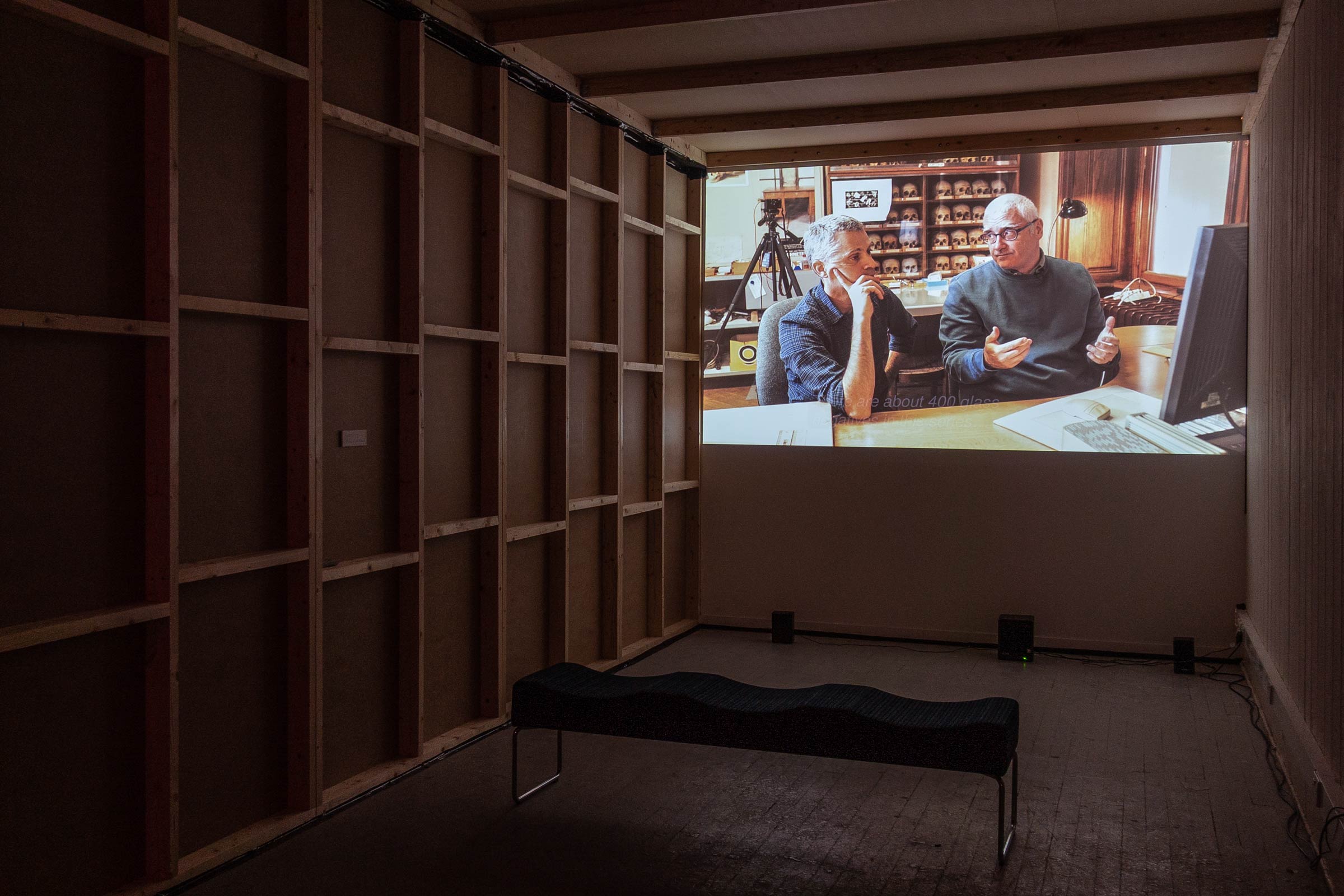
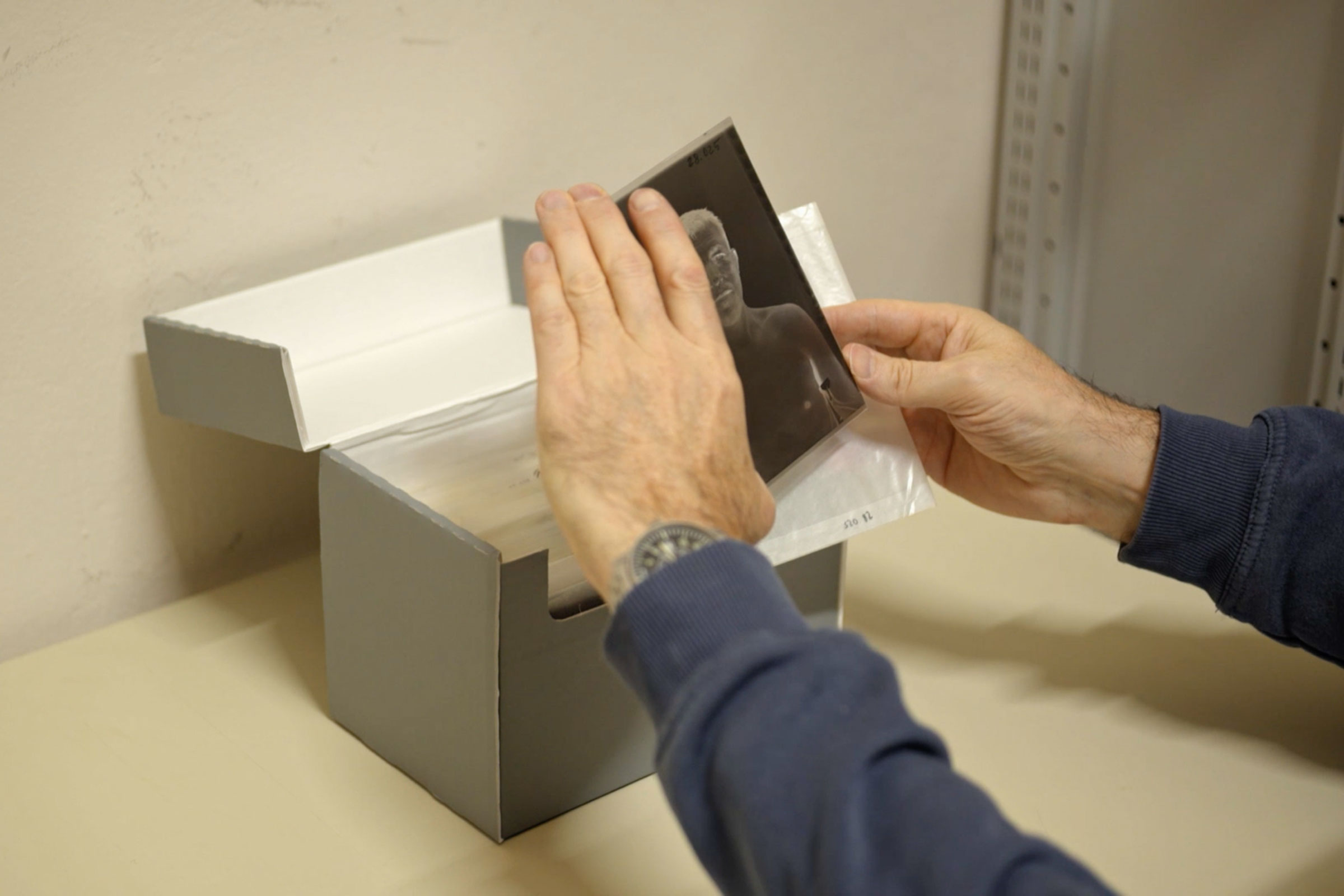
    DARKROOM developed from a conversation between Adler and Wolfgang Reichmann, photographer at the Department of Anthropology of the Natural History Museum Vienna. Filmed in front of a monitor displaying images from the department’s historical photographic collection, Adler and Reichmann look at and discuss parts of this collection, including images made under racist, coercive, and abusive conditions. Their conversation moves between the histories contained in the archive and their own positions as photographers working with difficult images, turning questions of looking, photographing, and responsibility back onto the making of Dead Images itself.
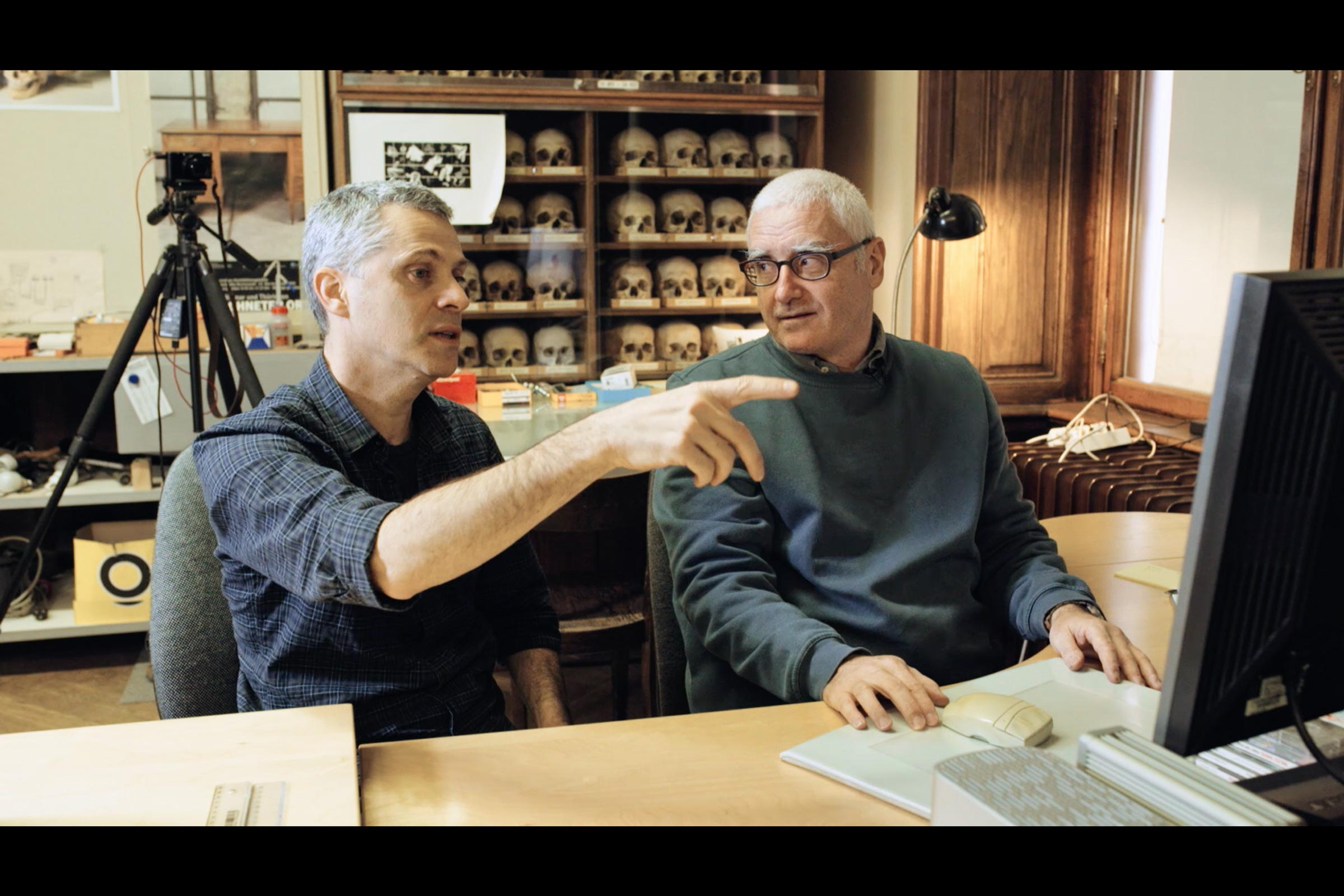
    Two men sitting at a desk in front of a monitor.

    Scripts, interviews, camera, lighting, and sound: Tal Adler
    Editing: Tal Adler, Christiane Schniebel, Callum Fisher
    Sound editing: Sebastian Meissner
    Colour grading: Roman Keller / Malkasten Wien
    Translations and subtitles: Harriet Merrow, Callum Fisher, Anna Szöke, Tal Adler

    Interviewees:
    Phramaha Anusak (Wat Buddhavihara Monastery / ai Buddhist Temple Berlin); Margit Berner (Natural History Museum Vienna); Sabine Eggers (Natural History Museum Vienna); Linda Fibiger (University of Edinburgh); Mike Fletcher (Honouring the Ancient Dead); Rabbi Karen Fox (Hebrew Union College); Te Herekiekie Haerehuka Herewini (Museum of New Zealand / Te Papa Tongarewa); June Jones (University of Birmingham); Natasha Kanapé Fontaine (poet and actress, Montréal); Israel Kaunatjike (Völkermord verjährt nicht!, Berlin); Christian Koeberl (director general & CEO, Natural History Museum Vienna), Jani Kuhnt Saptodewo (Weltmuseum Vienna); Sarah Levitt (Honouring the Ancient Dead); Stephanie Mach (University of Pennsylvania); Laura Peers (University of Oxford); Wolfgang Reichmann (Natural History Museum Vienna); James Riding In (Arizona State University); France Rivet (author, Gatineau, Quebec); Maria Teschler-Nicola (Natural History Museum Vienna); Wichian ong aimany (Wat Buddhavihara Monastery / ai Buddhist Temple Berlin); Alexander Urosevic (author, Vienna); Karin Wiltschke-Schrotta (Natural History Museum Vienna).
  • Skull Cabinet Panorama

    Skull Cabinet Panorama

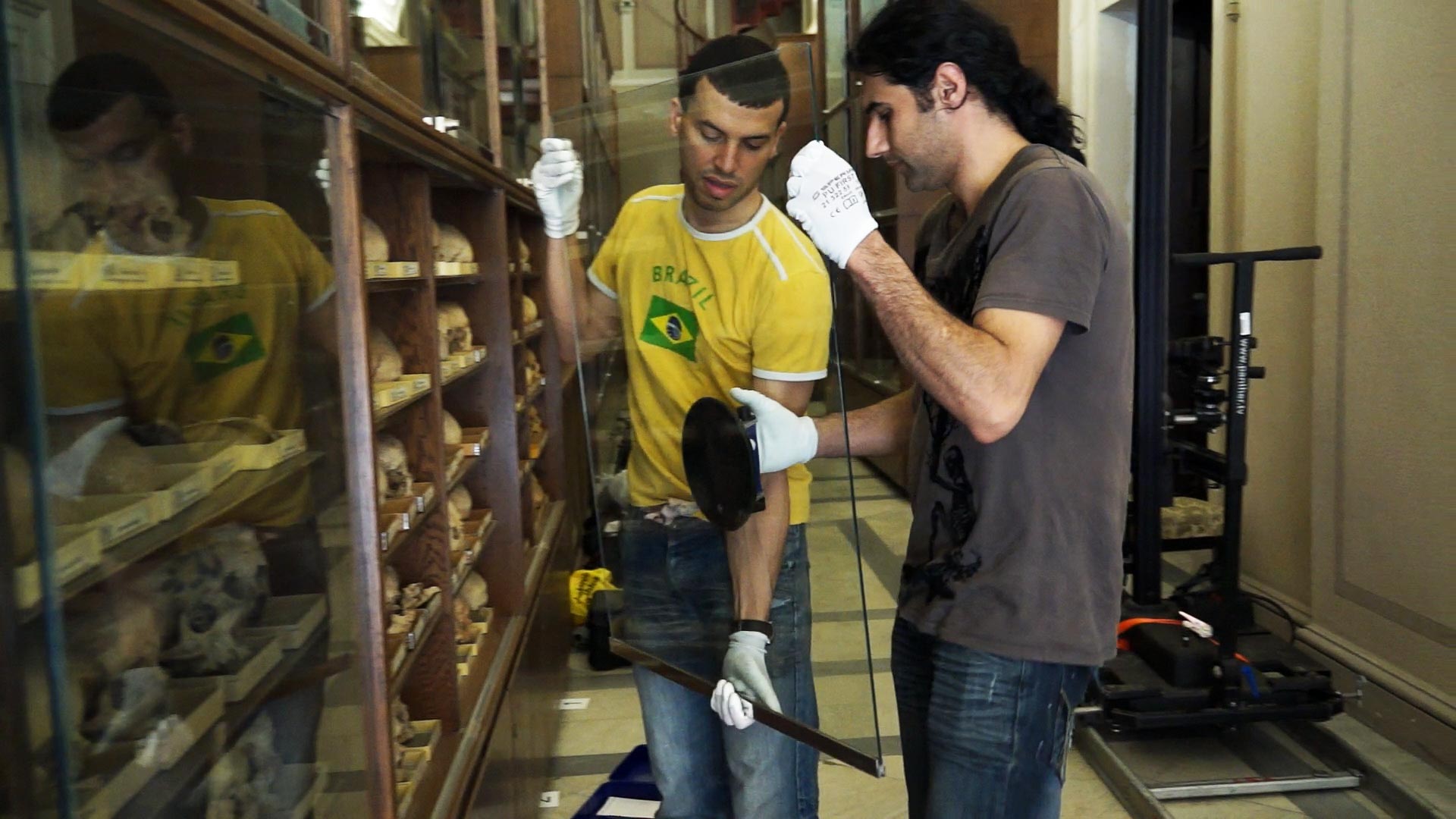
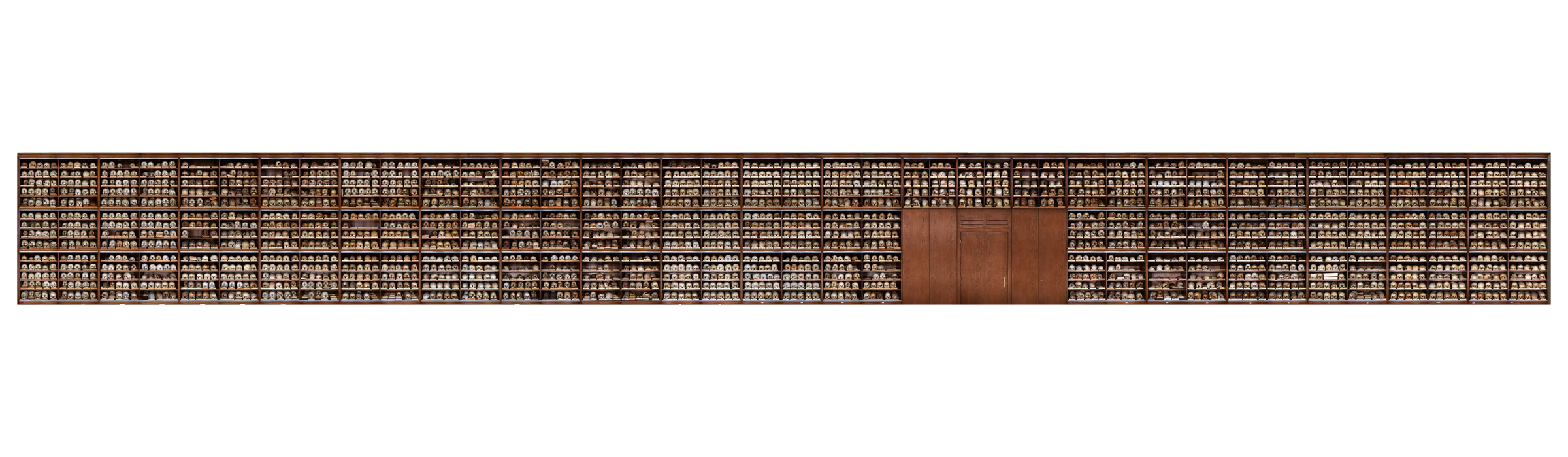
    After encountering the skull cabinet at the Natural History Museum Vienna, and learning about the often-violent histories of collecting, researching, and displaying these skulls, Tal Adler developed a concept for a travelling exhibition and events programme around collections of ancestral and human remains. Aiming to convey something of the experience and insights he himself had in front of the cabinet, Adler proposed creating a highly detailed, 1:1 photograph of the 30-metre-long cabinet and the 8,000 skulls in it. This large panorama could then be exhibited in countries from which skulls in the collection had been taken, inviting the public – representatives of descendant communities, museum professionals and collection custodians, researchers, activists, and others – to discuss the fate of such collections and the important question of returning ancestors to their communities.

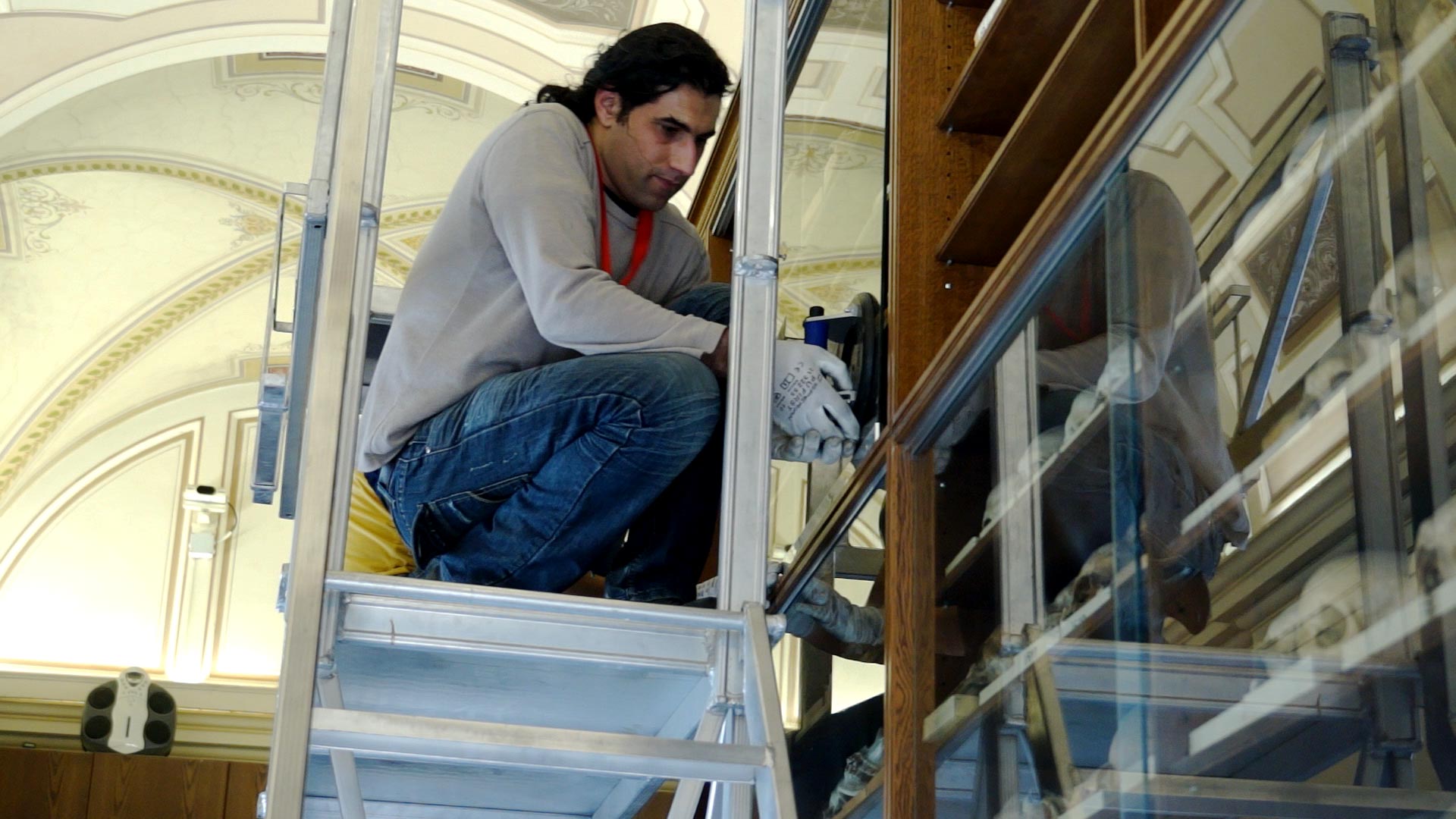
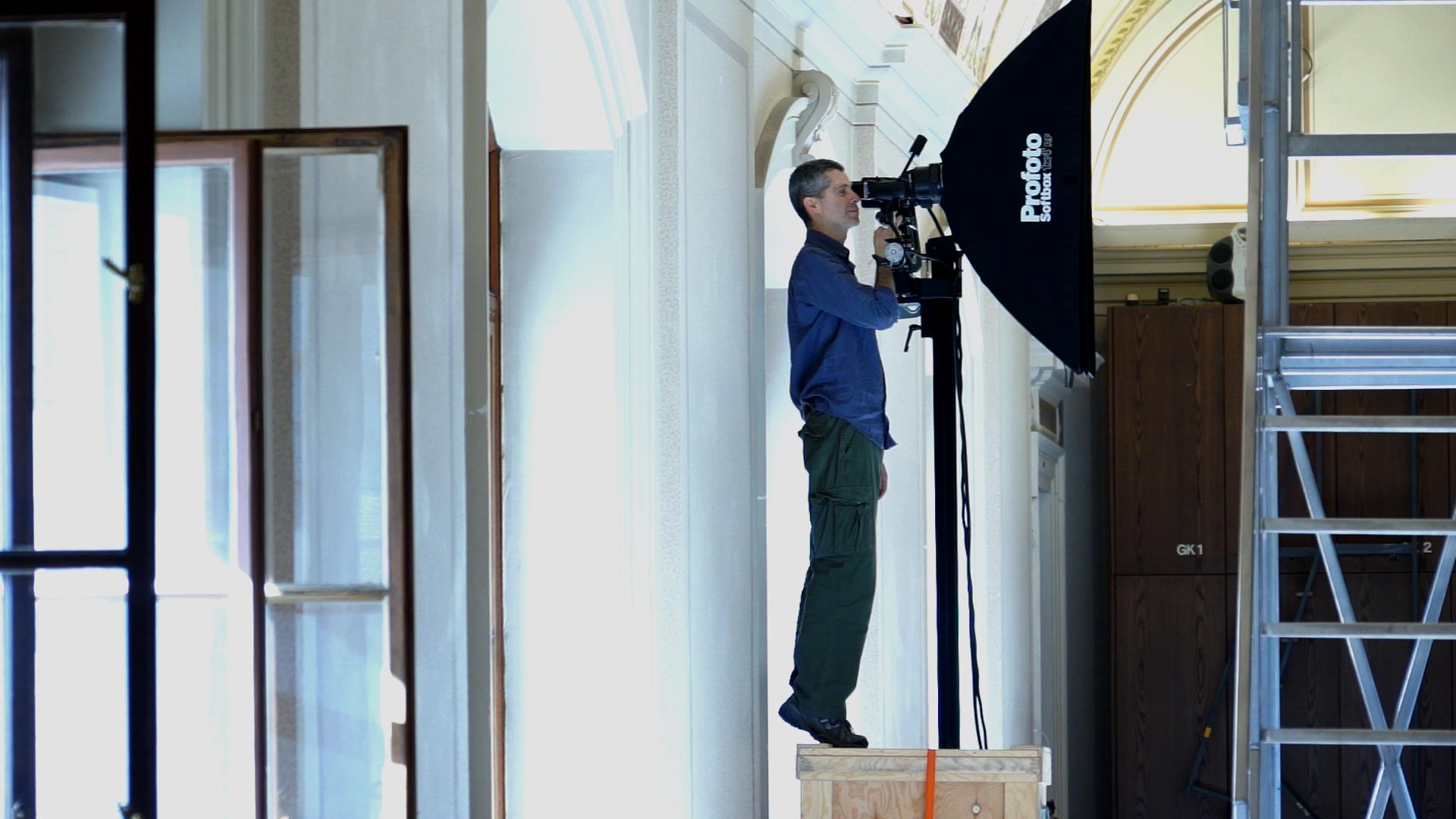
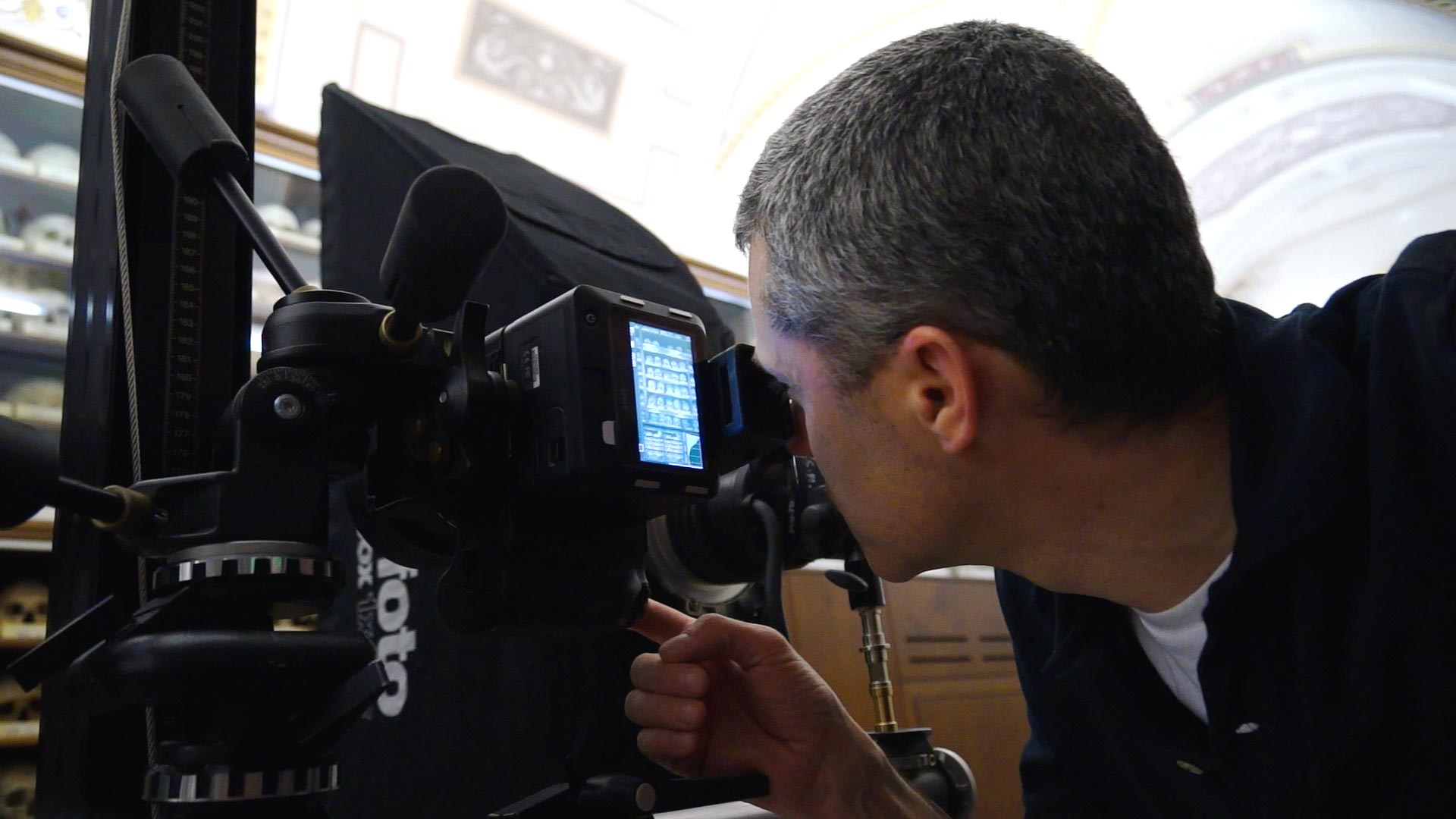
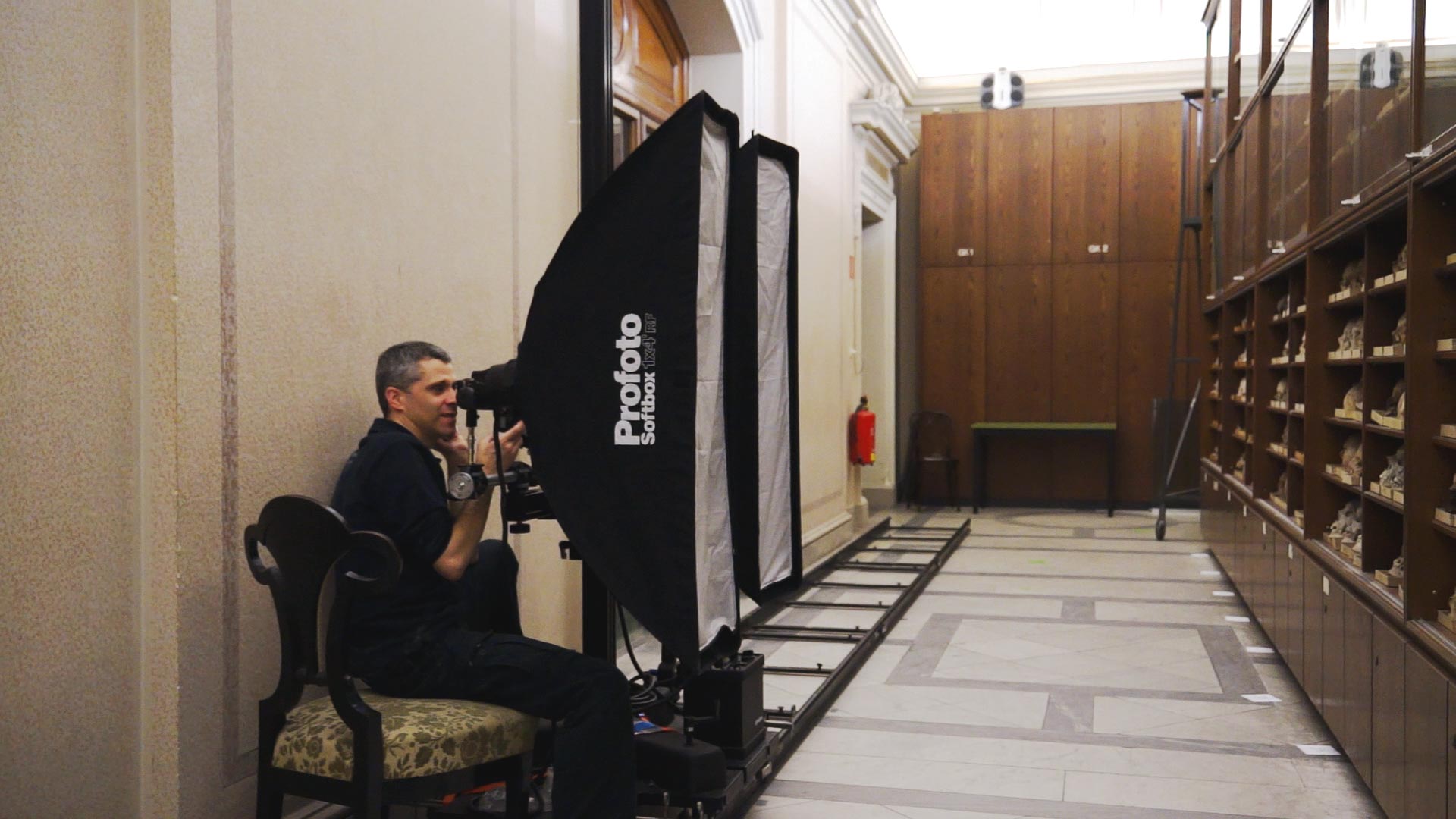
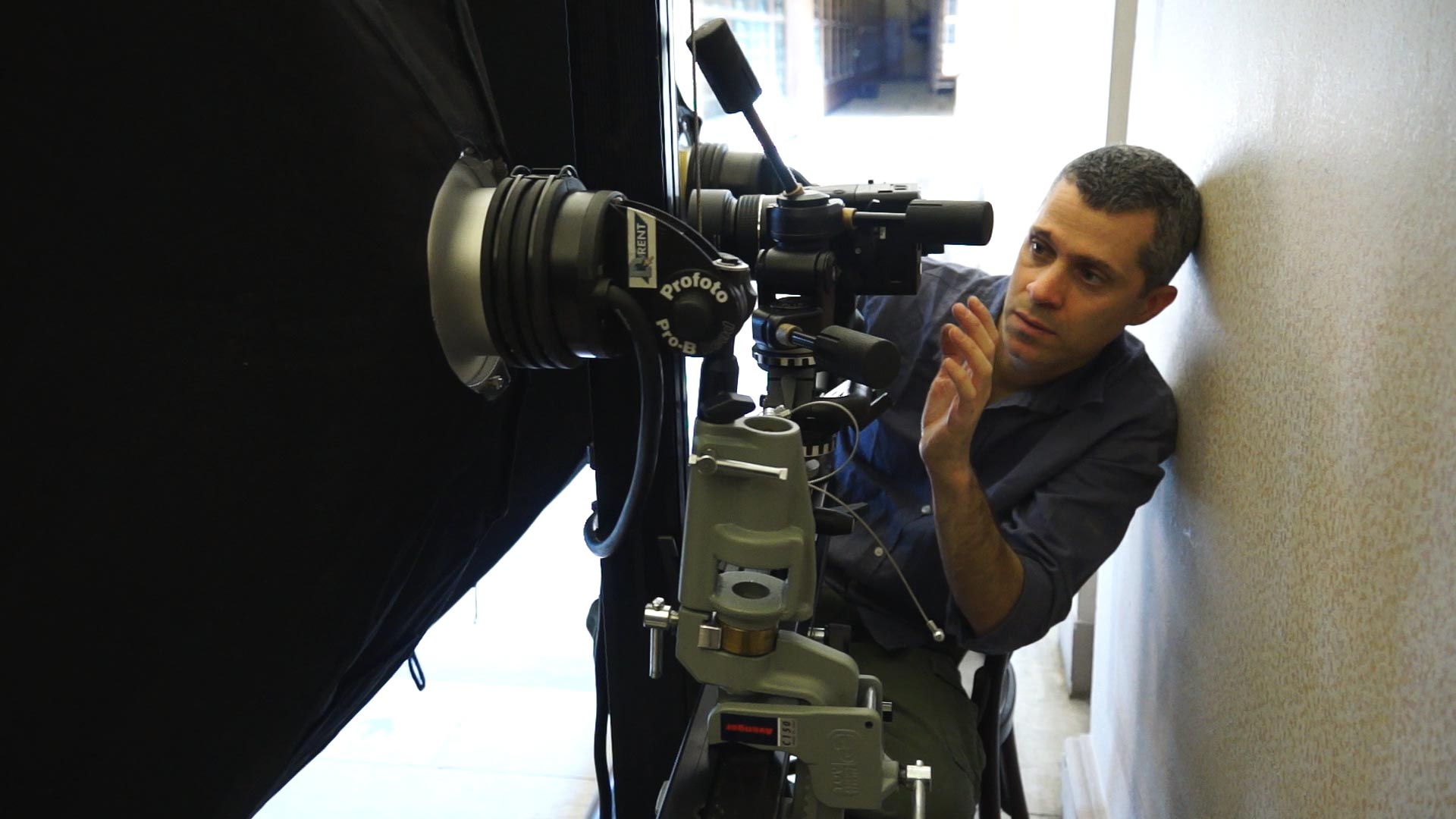
    In 2012, as part of the project MemScreen, Adler photographed the 30-metre-long cabinet. Over two days, using a high-resolution medium-format camera travelling on rails parallel to the cabinet, he captured 120 exposures of sections of the cabinet as glass doors were removed and reinstalled as the camera moved along the cabinet.


    Shooting documentation: Click to enlarge


    The files were then digitally corrected and mosaicked into a single, multi-viewpoint (also called multi-perspective, linear, or parallel) panorama. Designed to be printed at life size at approximately 30 x 4 metres, the ultra-high-resolution panorama would allow viewers to experience the overwhelming scale of the cabinet from a distance and distinguish extremely fine details at close range.

    But bringing the collection into public view through photography also meant exposing human and ancestral remains whose presence in the museum was itself contested. Adler declined early proposals to exhibit the image without adequate contextualisation and instead continued researching the ethical and political implications of showing it. The dilemma posed by the panorama required more time, more perspectives and a form of collaboration in which the conditions of representation themselves could be questioned. This became one of the impulses for Adler to develop the Creative Co-Production model and, from 2016, the interdisciplinary team that developed Dead Images within TRACES.


    Artistic concept and photography: Tal Adler
    Digital processing: Bildbearbeitungsstudio Malkasten
    Technical support and sponsorship: Academy of Fine Arts Vienna (Thomas Freiler, Friedemann Derschmidt, Osama Zatar, Osama Salamah), Digitalstore Vienna (Michael Exner, Christian Sharpf), Natural History Museum Vienna (Wolfgang Reichmann)
    Video documentation: Mich’ael Zupraner

  • Dead Images Exhibition

    A dark exhibition space with a large video projection on the wall and a bench in front of it.
    Installation view of the separate DARKROOM space, Dead Images exhibition, Edinburgh College of Art, July 2018.

    Dead Images Exhibition and Programme

    The Dead Images exhibition opened at Edinburgh College of Art in June 2018. Rather than presenting the project’s research as a set of conclusions, the exhibition was structured around the unresolved question that had accompanied the panorama from the beginning: under what conditions, if any, should such an image be shown?

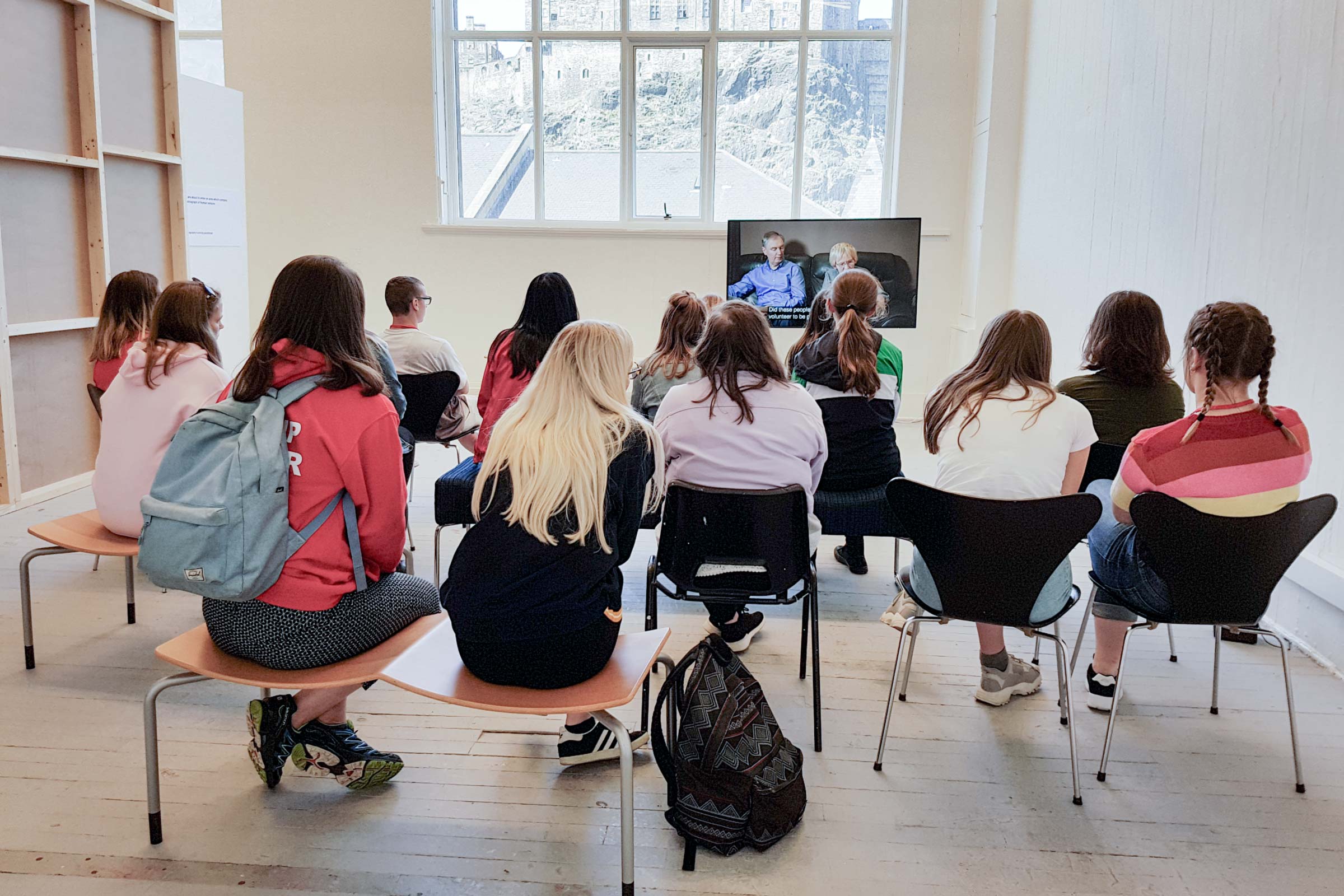
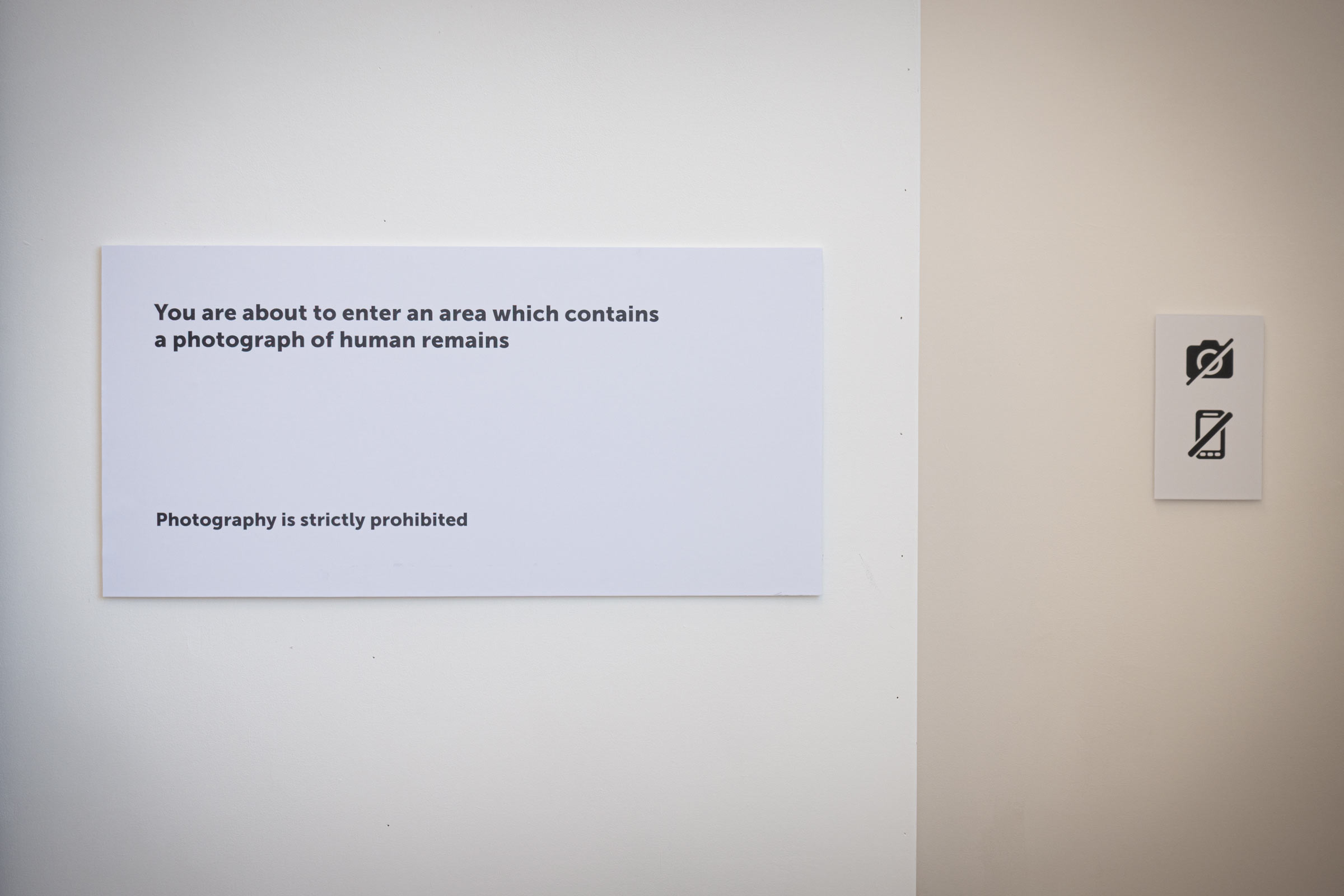
    Visitors first encountered several films made from interviews with 21 people who approached collections of human and ancestral remains from different positions and experiences. The films addressed the histories and scientific uses of such collections, questions of return and repatriation, and the ethics of photographing and displaying the dead. Only after encountering these perspectives did visitors reach the entrance to the panorama. There, they could decide whether or not to enter and see it.

    The exhibition extended this questioning beyond the panorama itself. In the Darkroom, a three-channel video installation developed from a conversation between Adler and Wolfgang Reichmann, photographer at the Department of Anthropology of the Natural History Museum Vienna, examined the museum’s historical photographic collection and the position of the photographer within this history. It also turned the exhibition’s critical attention back onto its own use of photography and display.

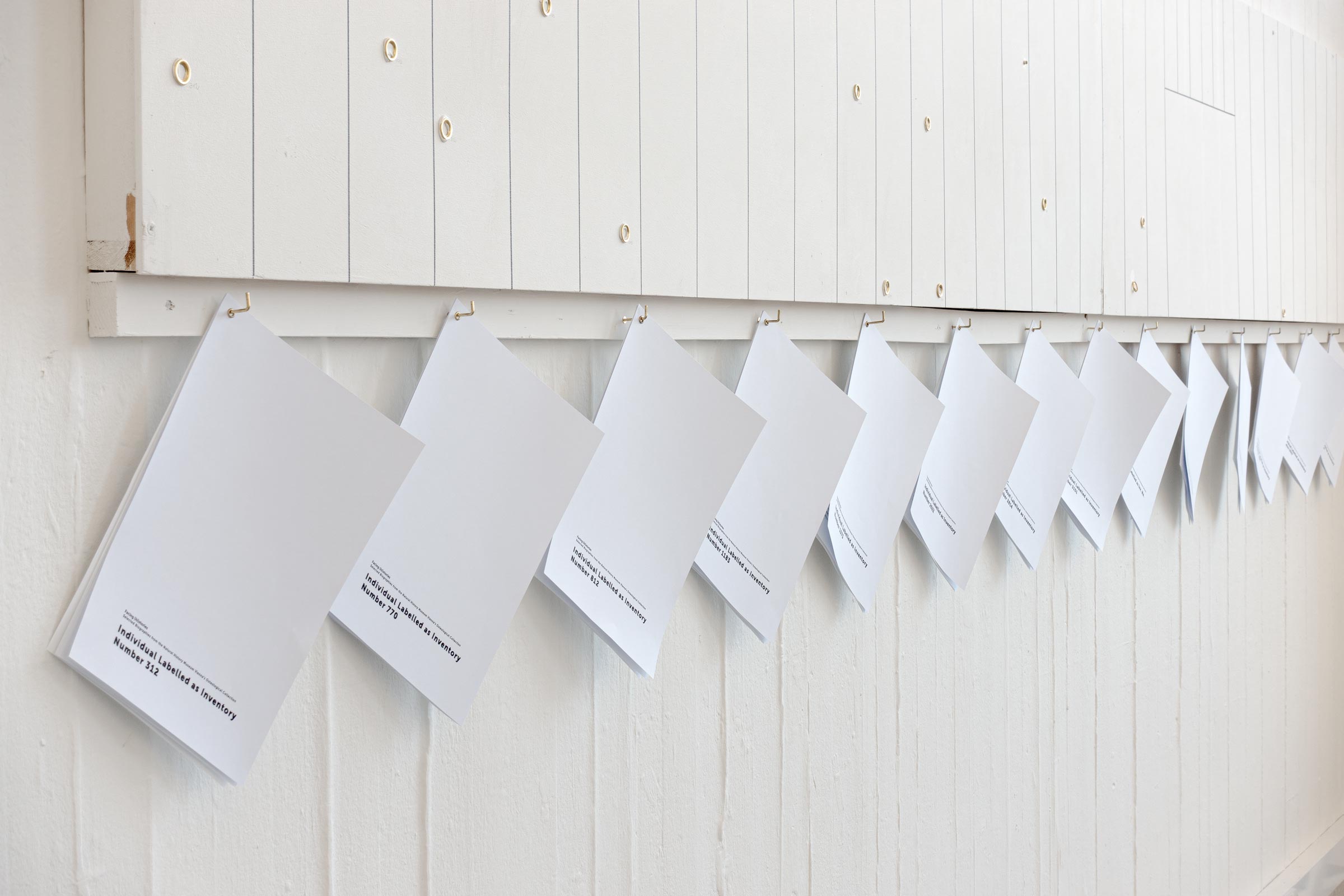
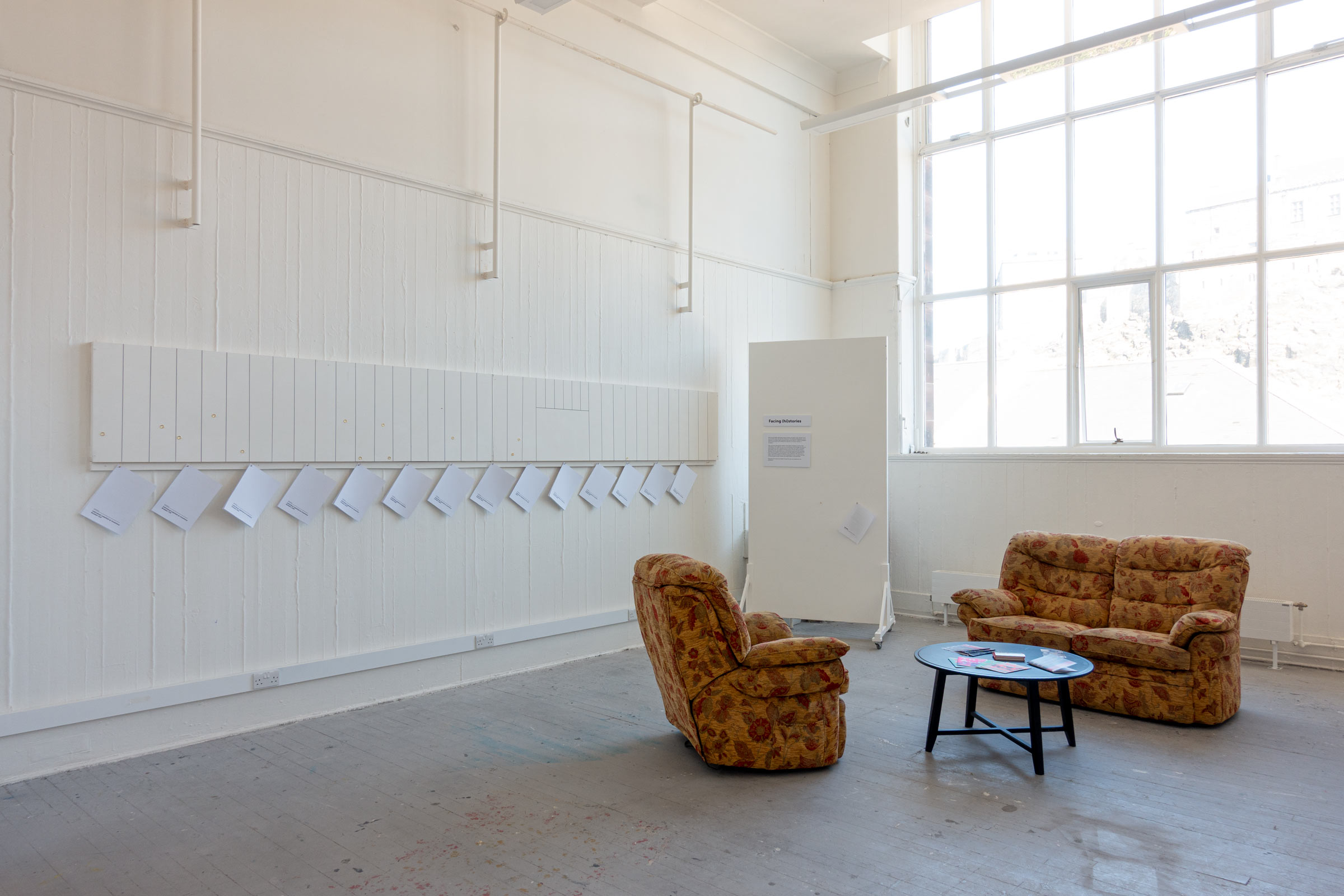
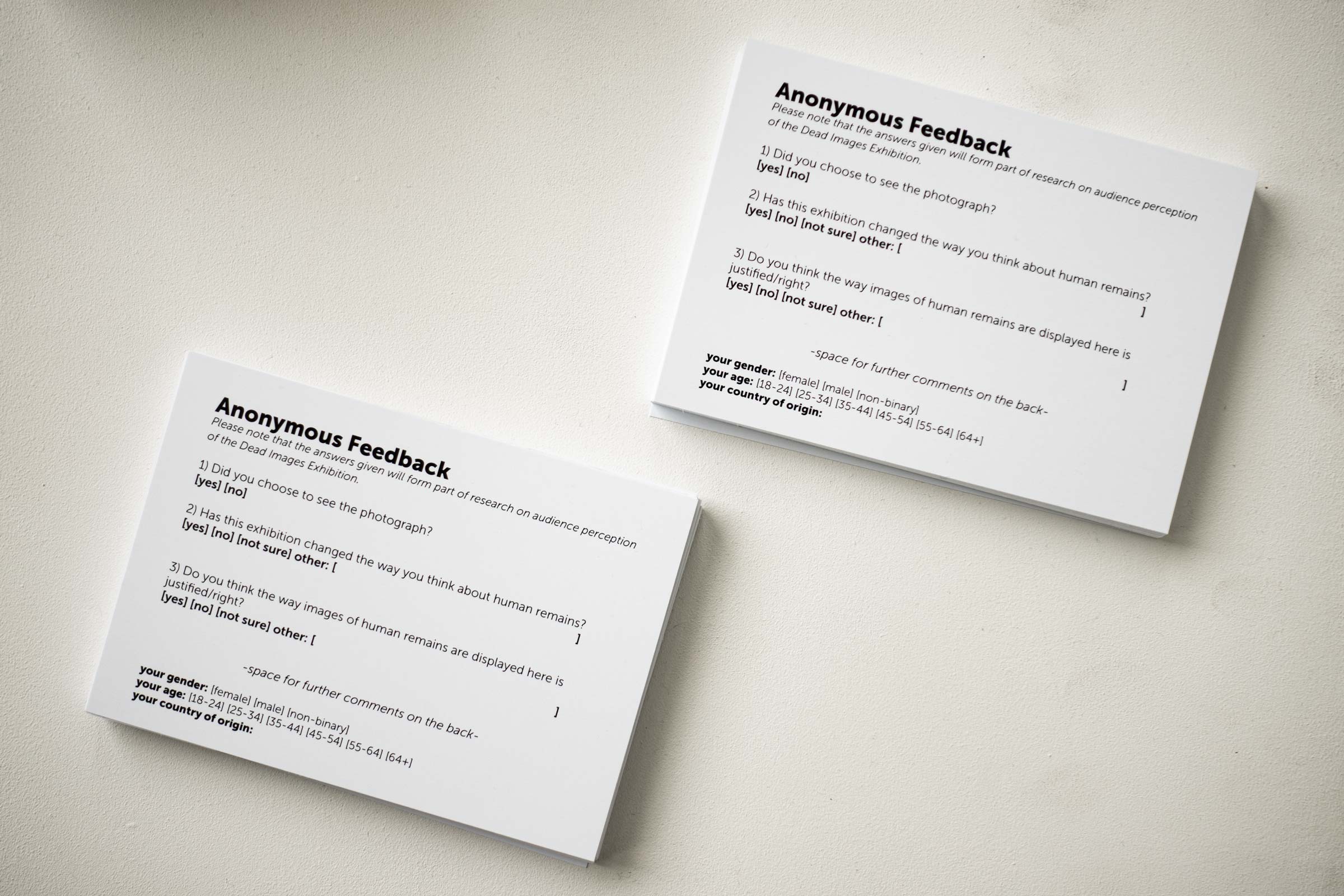
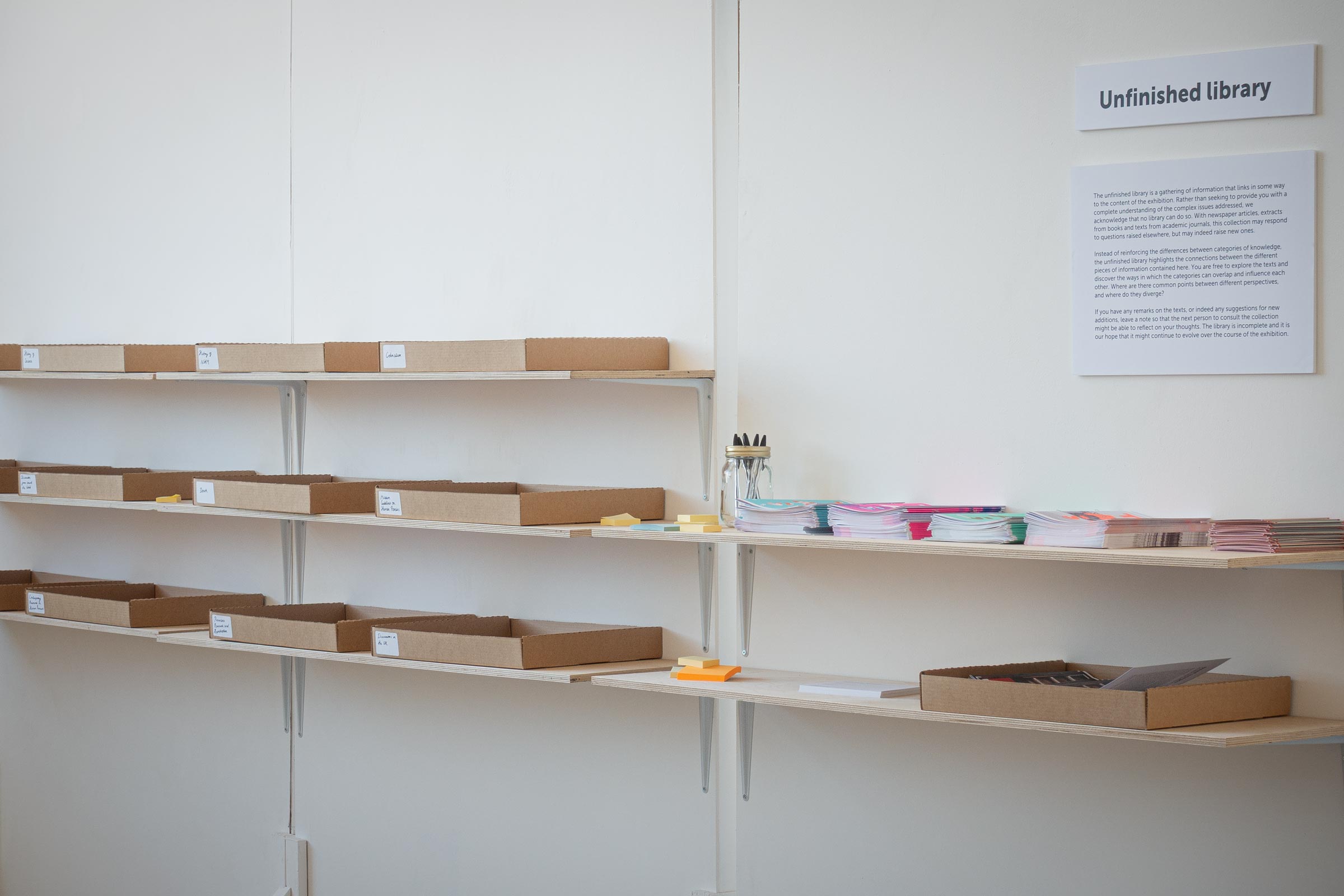
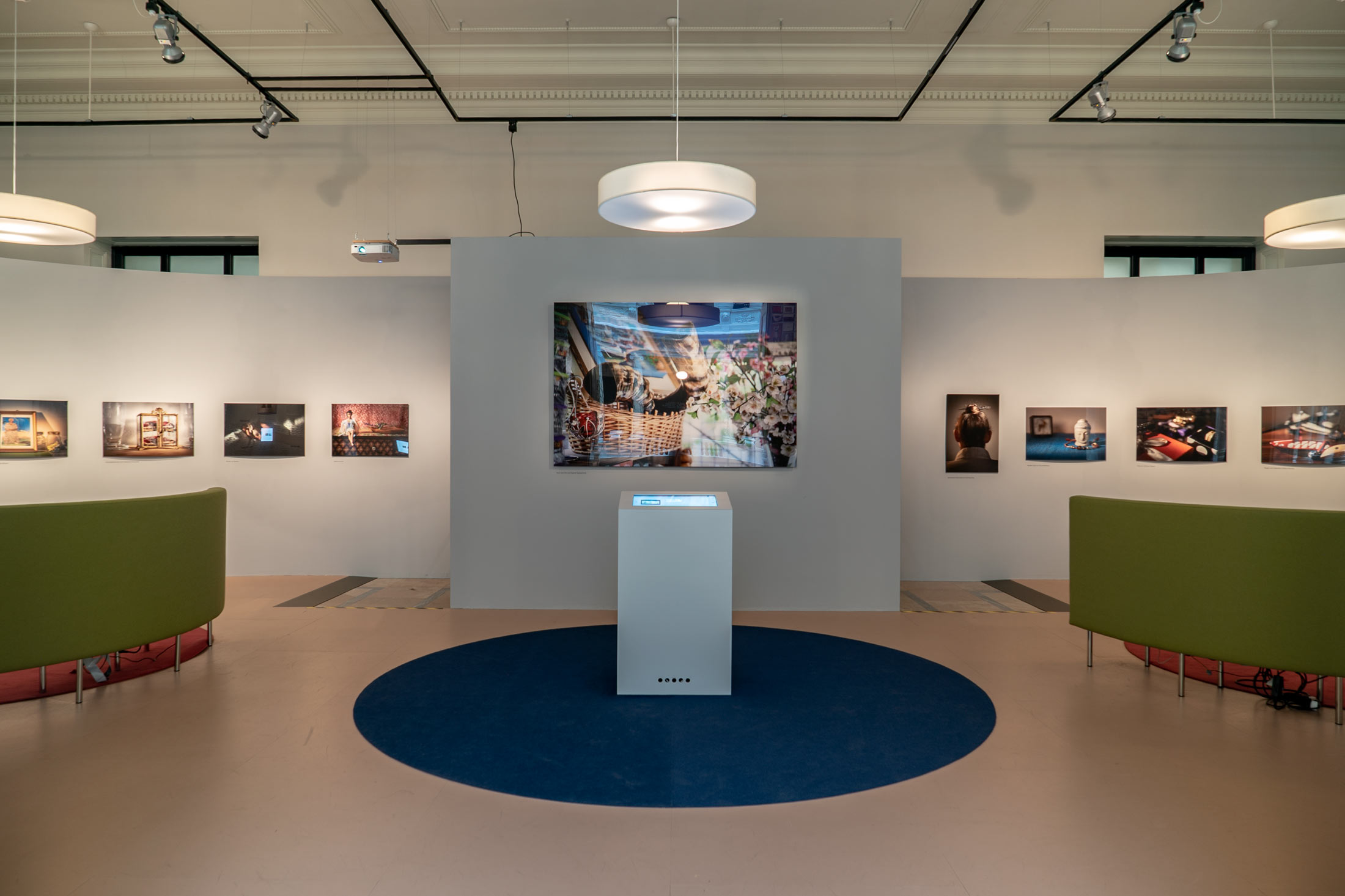
    An Information Lounge functioned as a space for research, discussion, workshops, and visitor responses. Its Facing Hi/stories installation followed 15 individuals whose remains could be seen in the panorama. Bringing together historical research, information from the museum’s inventory books, and physical-anthropological analysis, it juxtaposed different ways of knowing what could still be learned about these individuals – and what could not. Throughout the exhibition, members of the Dead Images team were present to speak with visitors. Workshops, discussions, an evolving library, written questions, and anonymous feedback cards made these encounters part of the project itself. More than 200 completed cards were collected by the end of the exhibition. Rather than separating research, exhibition, and public engagement, the programme treated the responses and disagreements generated by the exhibition as another stage of the research.


    Exhibition views: Click to enlarge


    Edinburgh College of Art, 28 June – 25 August 2018

    Curatorial team: Tal Adler, Linda Fibiger, John Harries, Joan Smith, Anna Szöke, Maria Teschler-Nicola
    Exhibition design: Francesca Lanz, Jacopo Leveratto
    Coordination: Joan Smith
    Education programme coordination: Ola Wojtkiewicz
    Interns and project assistance: Hayley Whittingham, Callum Fisher

    Facing Hi/stories:
    Research: Anna Szöke, Maria Teschler-Nicola, Linda Fibiger
    Texts and design: Anna Szöke, Maria Teschler-Nicola, Linda Fibiger, Callum Fisher

    Production:
    Printing: Eastern Exhibition & Display
    Construction: Old School Fabrications

  • Dead Images Conference

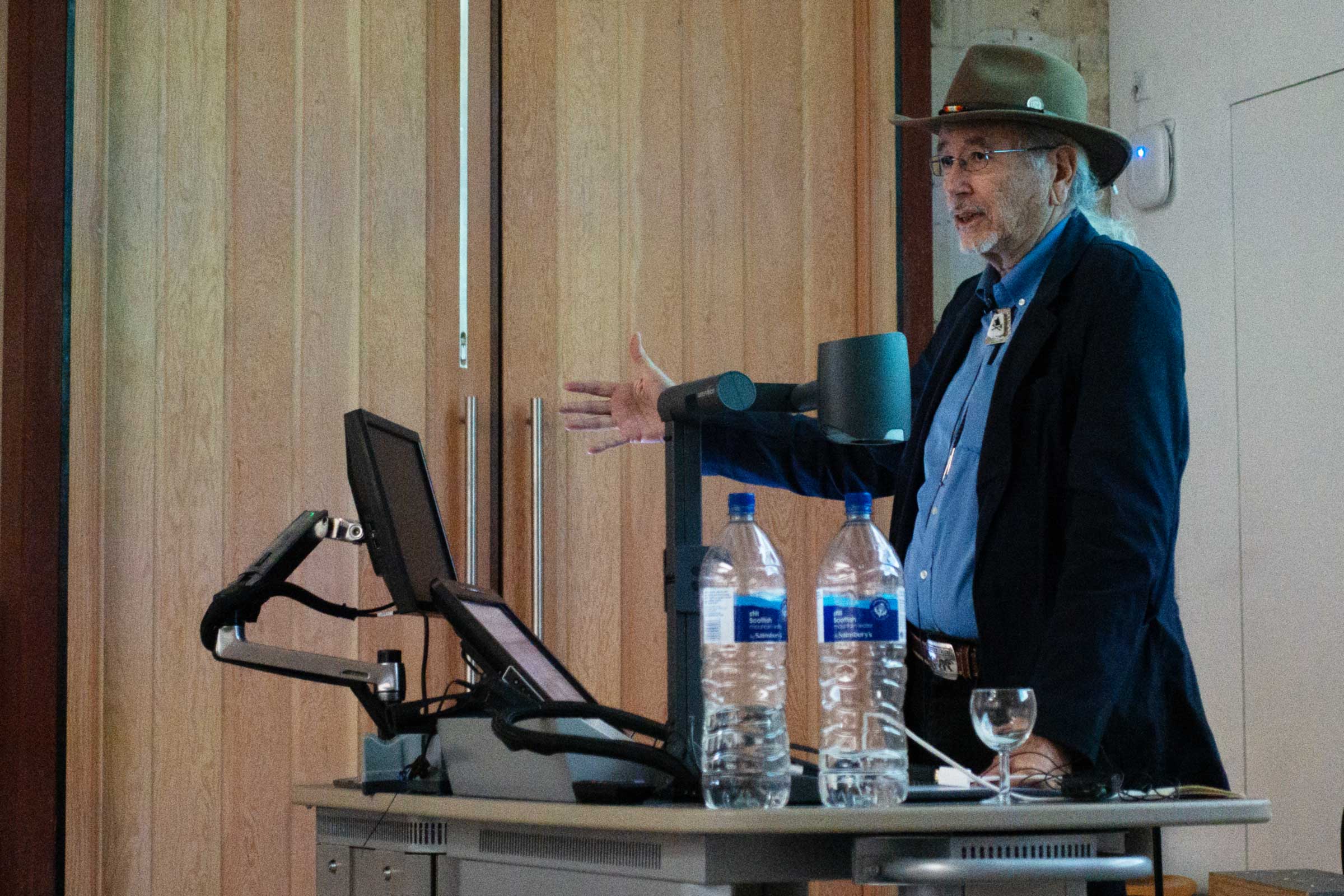
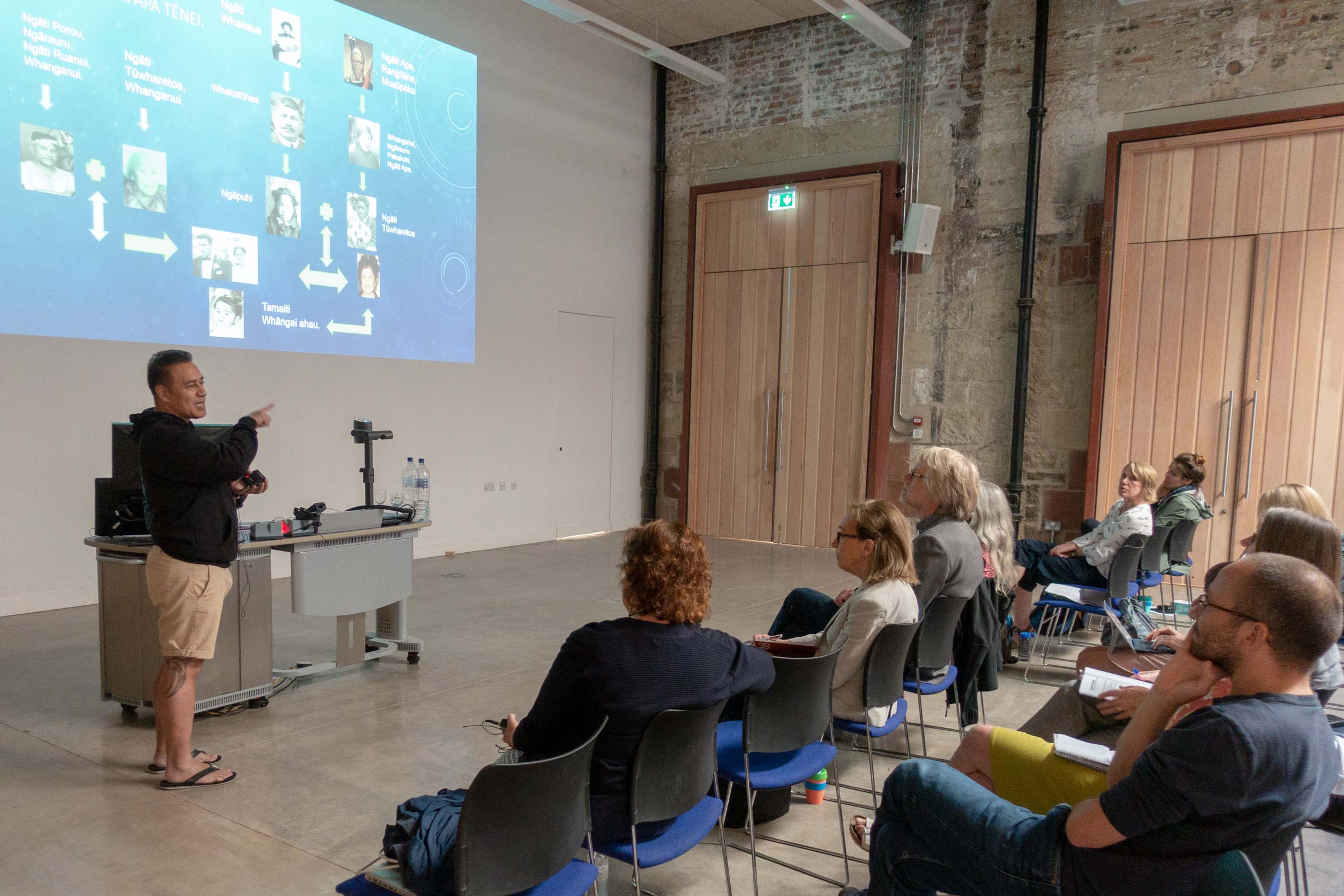
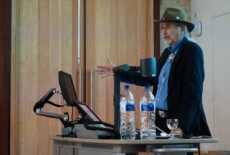
    Man standing and talking next to a podium in an event hall.
    James Riding In speaking at the Dead Images Conference, Edinburgh College of Art, July 2018.

    Dead Images Conference

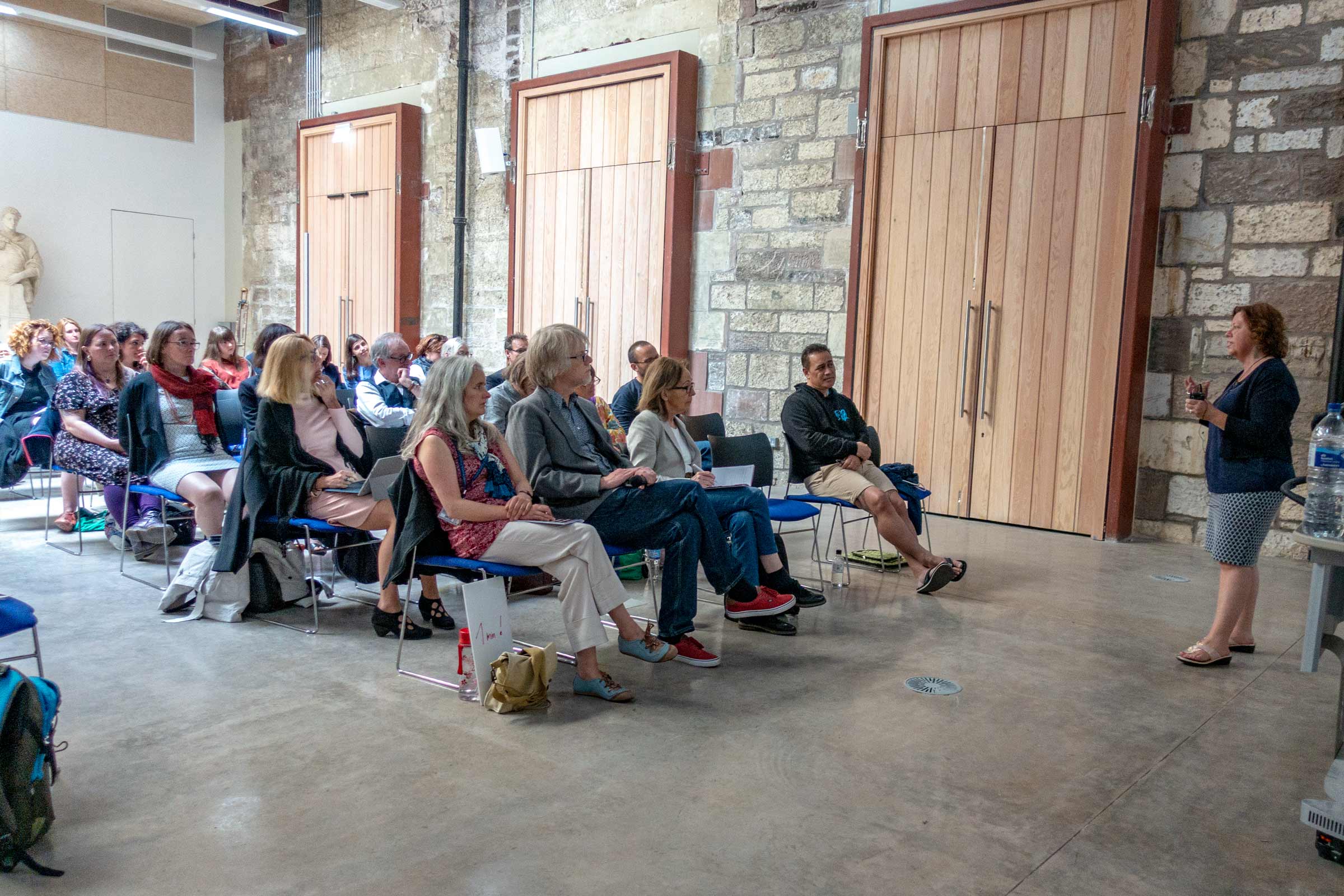
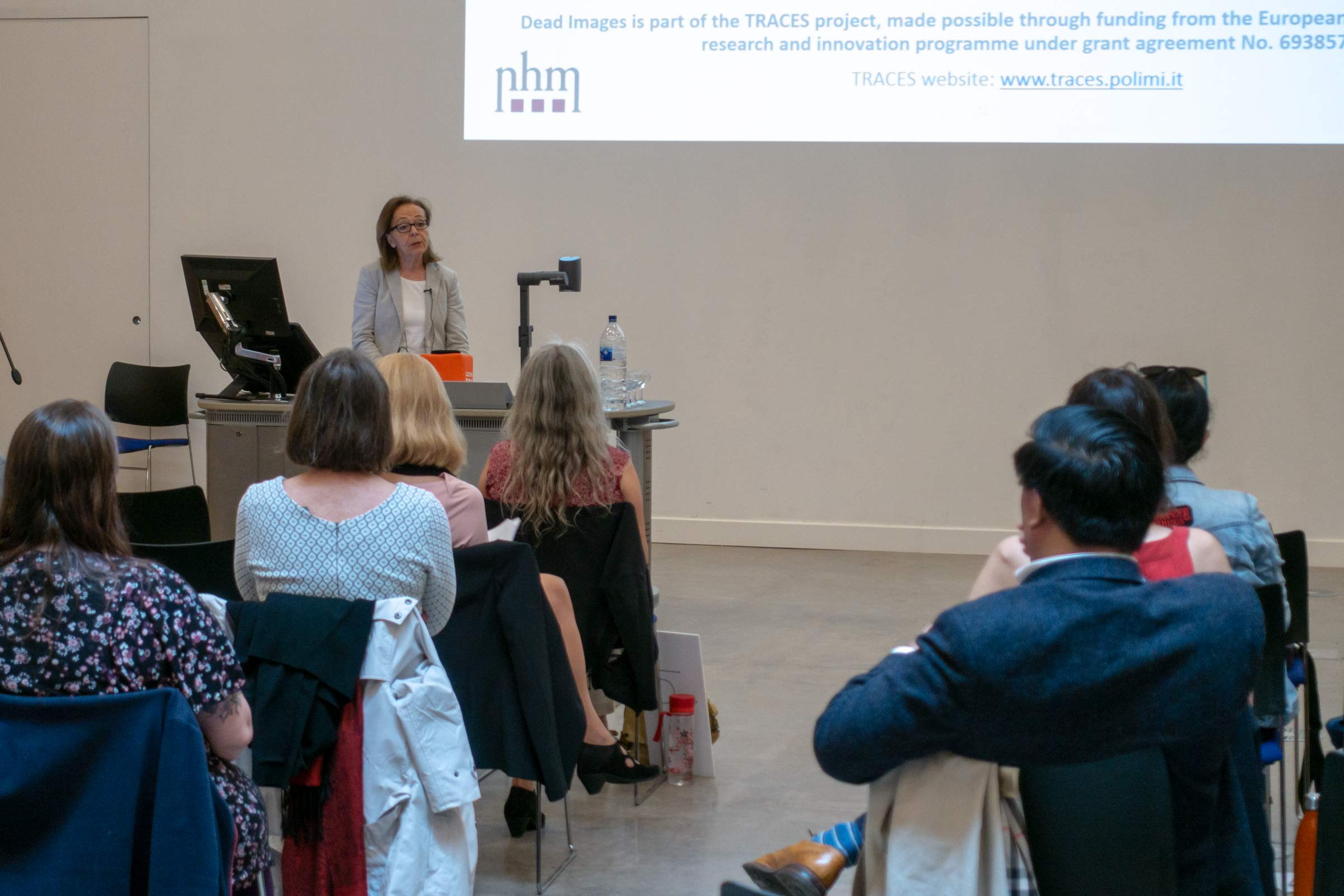
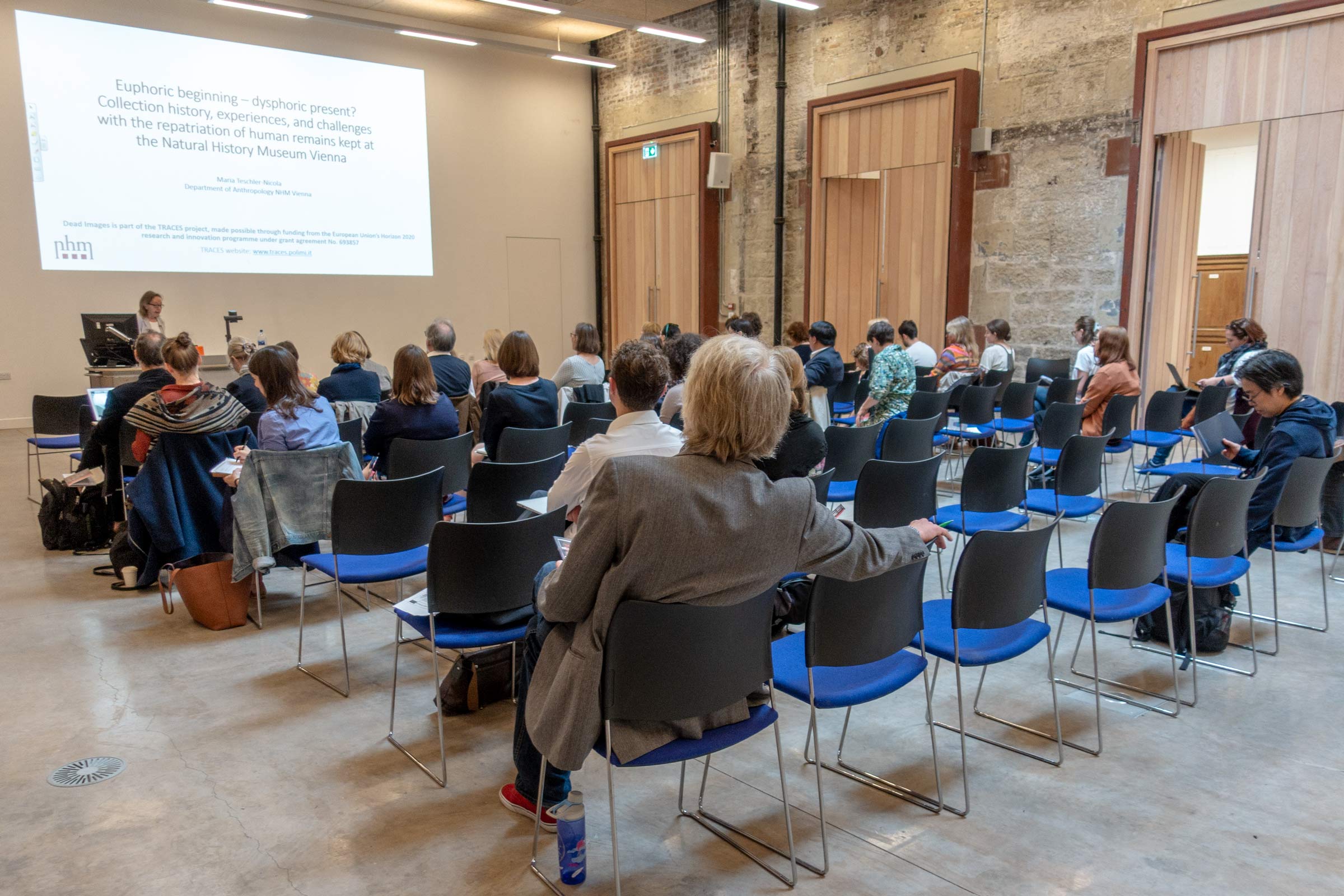
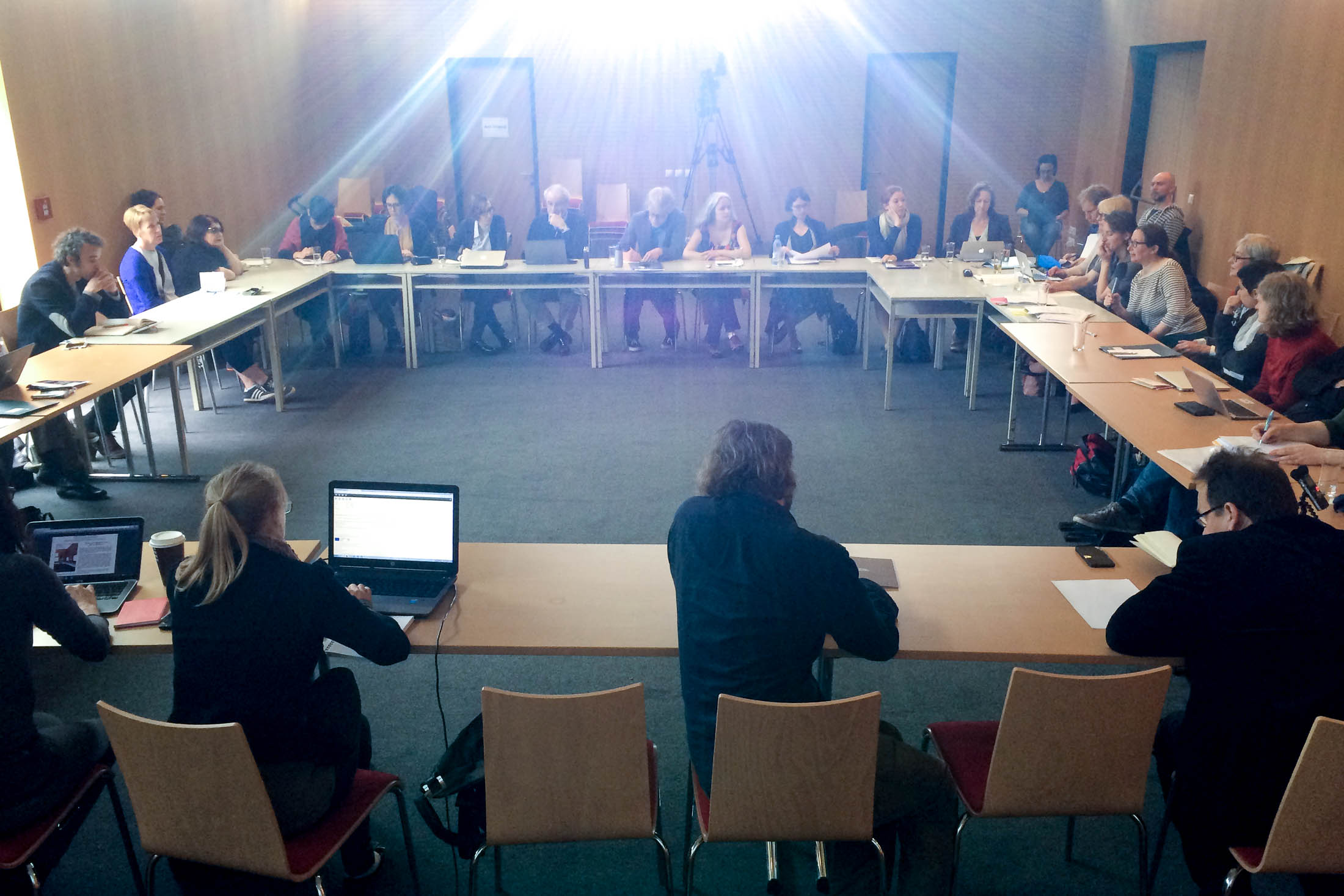
    The Dead Images conference brought together people whose relationships to collections of human and ancestral remains differed considerably: Indigenous scholars and repatriation practitioners, museum professionals and collection custodians, physical anthropologists, archaeologists, historians, artists, and researchers.

    Rather than bringing together people around a shared position, the conference deliberately brought differing, sometimes conflicting perspectives into a space for encounter and negotiation. Discussions addressed the formation and histories of skull collections, scientific research and display, colonial violence, provenance and repatriation, relationships between ancestors and descendant communities, and the affordances and challenges of artistic engagements with human remains.

    The conference accompanied the opening of the Dead Images exhibition and extended its commitment to multiperspectivity and direct conversation. Bringing these different positions into dialogue opened new relationships and possibilities for cooperation beyond the event itself.

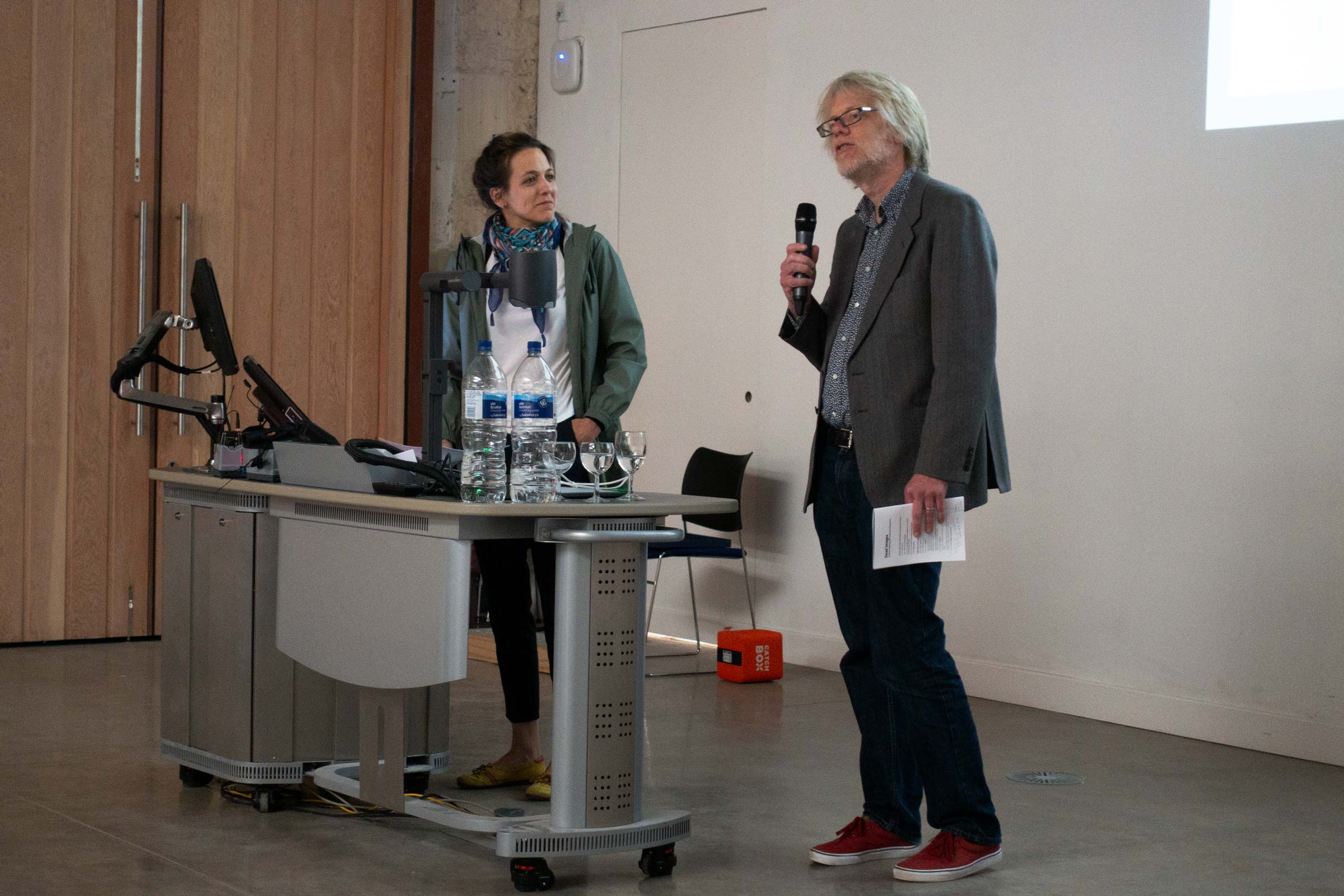
    The programme began on 28 June with a public conversation between Tal Adler and bioarchaeologist Charlotte Roberts, moderated by Director of Collections at National Museums Scotland, Sam Alberti. The conference took place on 29 June and was followed on 30 June by Skull X, a lecture-performance by Flinn Works.


    Conference documentation: Click to enlarge


    Edinburgh College of Art, 28–30 June 2018
    Conference organisation: John Harries, Anna Szöke
    Opening discussion: Tal Adler and Charlotte Roberts, Moderated by Sam Alberti
    Speakers: Christine Borland, Sabine Eggers, Te Herekiekie Herewini, June Jones, Elizabeth James-Perry, Konradin Kunze, Rebecca Redfern, Layla Renshaw, James Riding In, Elise Smith, Joan Smith, Anna Szöke, Maria Teschler-Nicola, Paul Turnbull
    Skull X / Schädel X – Lecture-performance by Flinn Works

  • Fragile Power

    Fragile Power

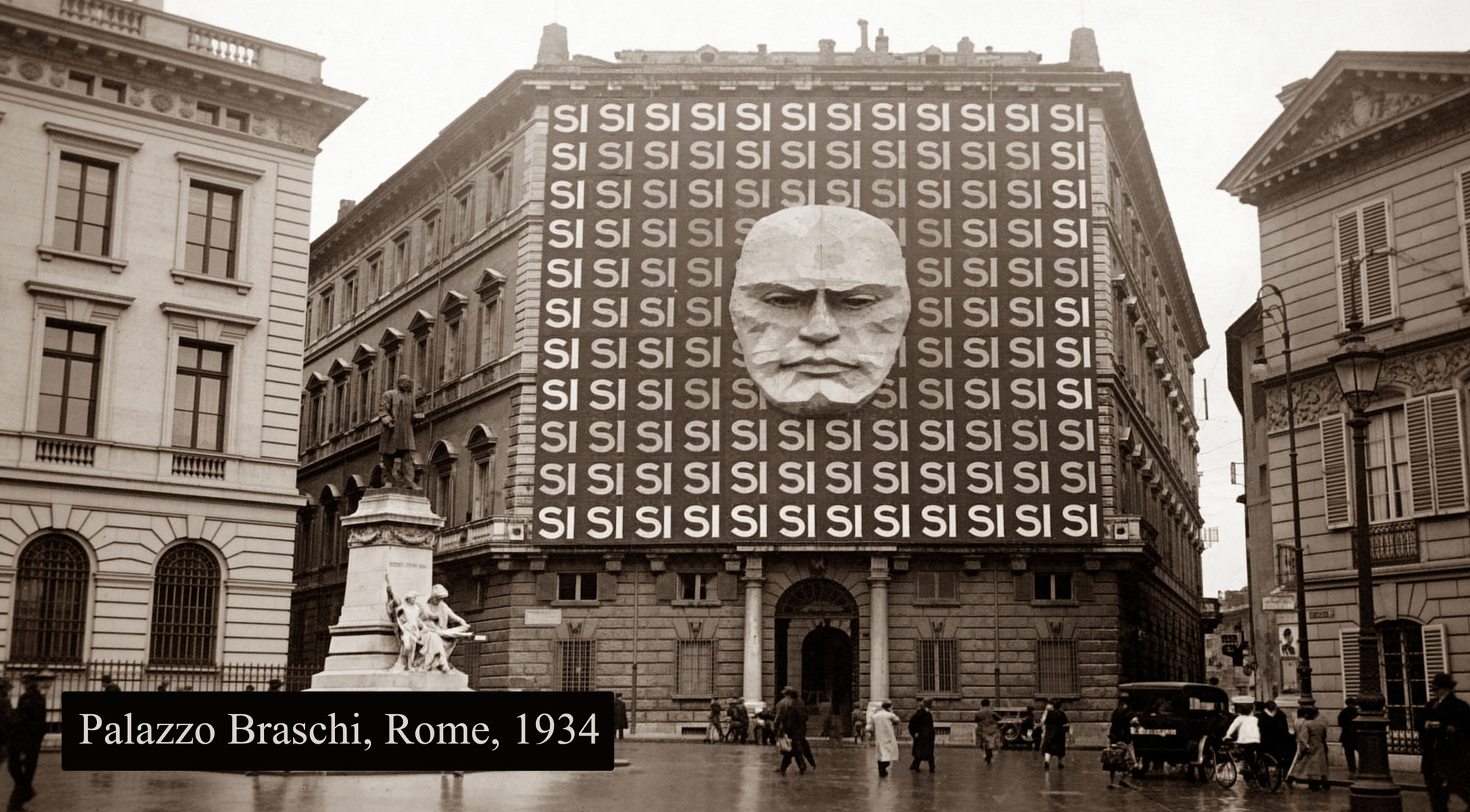
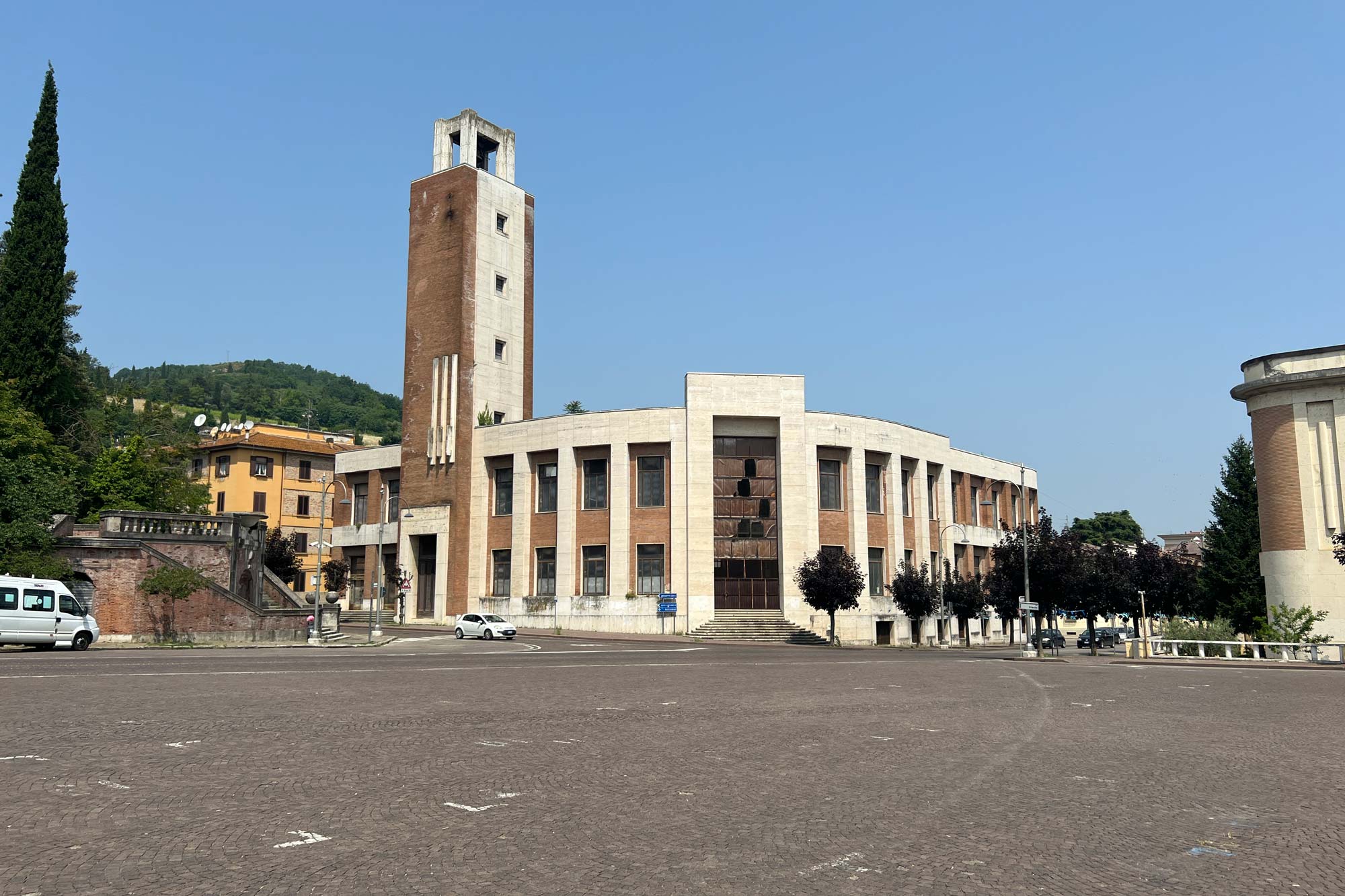
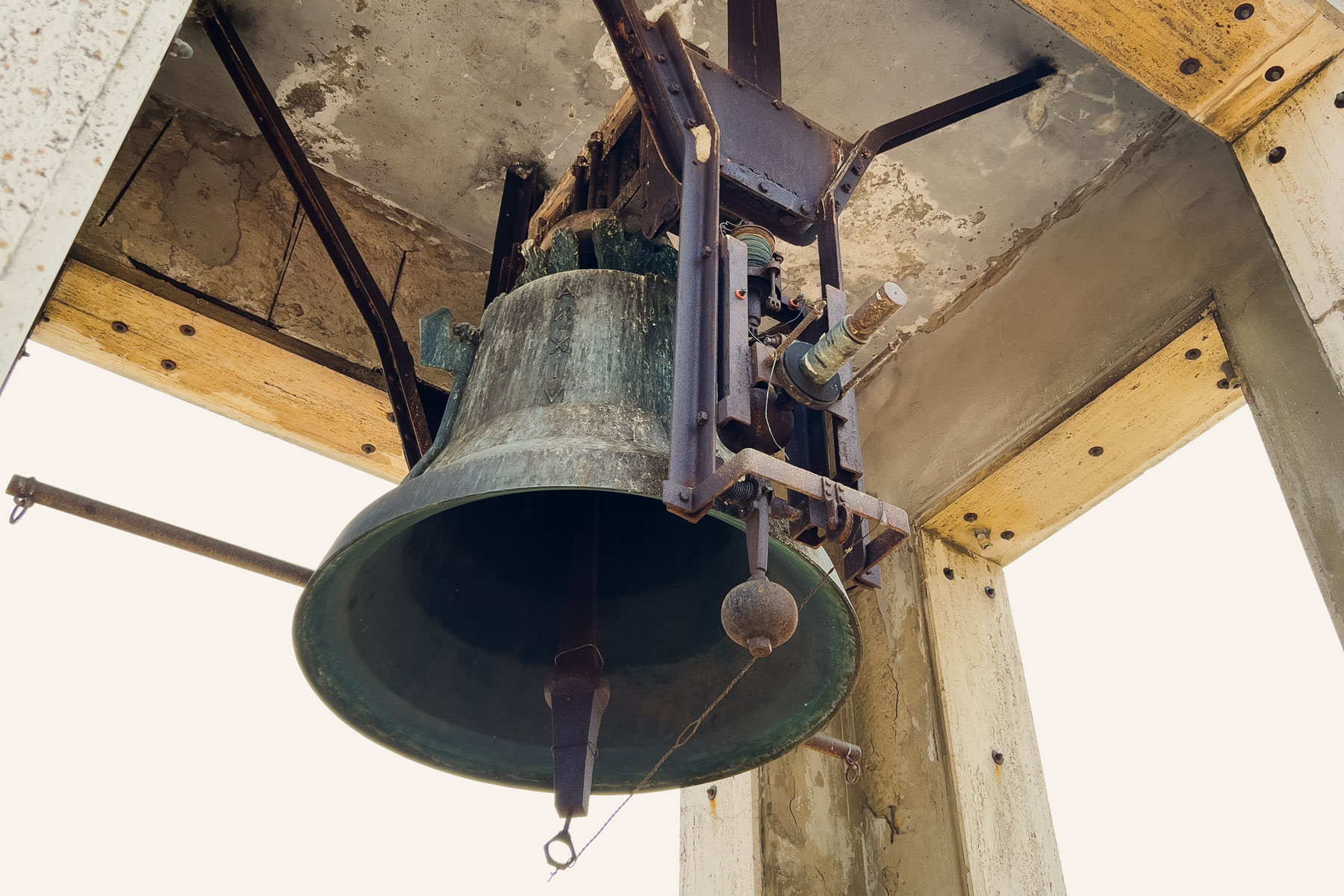
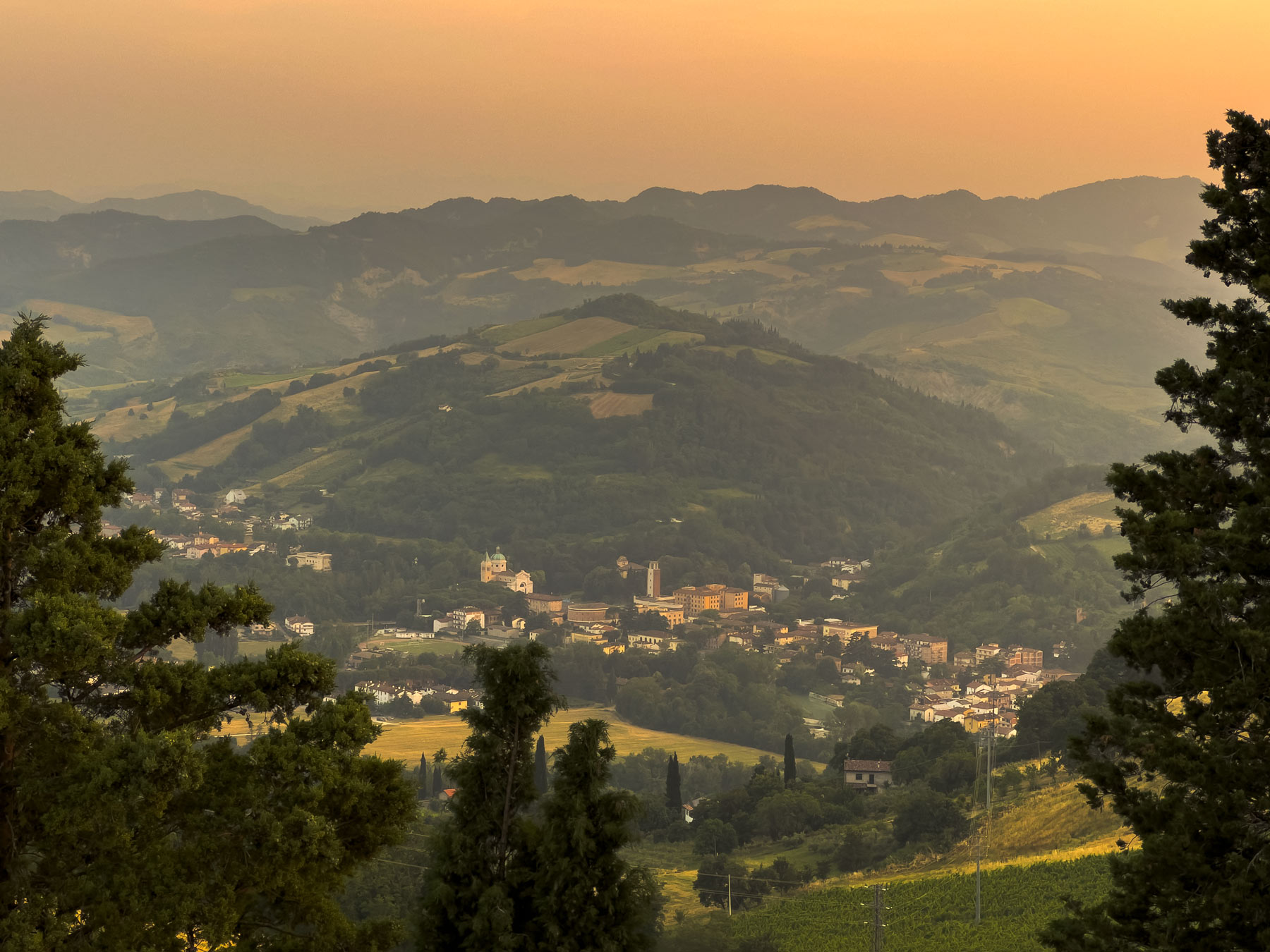
    The former House of the Fascist Party in Predappio, Benito Mussolini’s birthplace, was inaugurated in 1937. Its tower still contains the large bronze bell once used in Fascist political and civic ceremonies, together with its then state-of-the-art electromagnetic striker. Several times a year, hundreds of neo-fascists march through the streets of Predappio, passing through the abandoned building, which has been slated for conservation since the early 2000s.

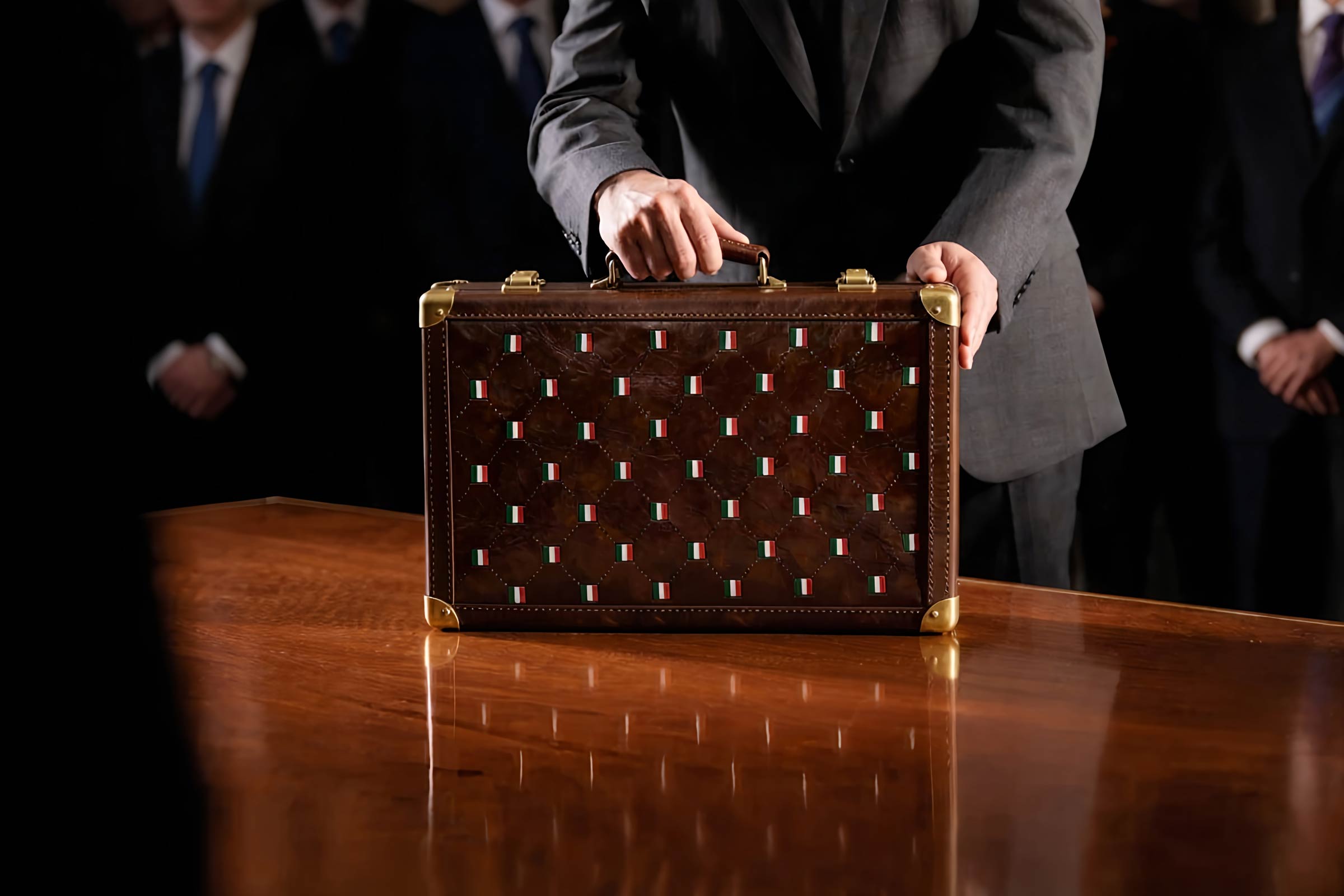
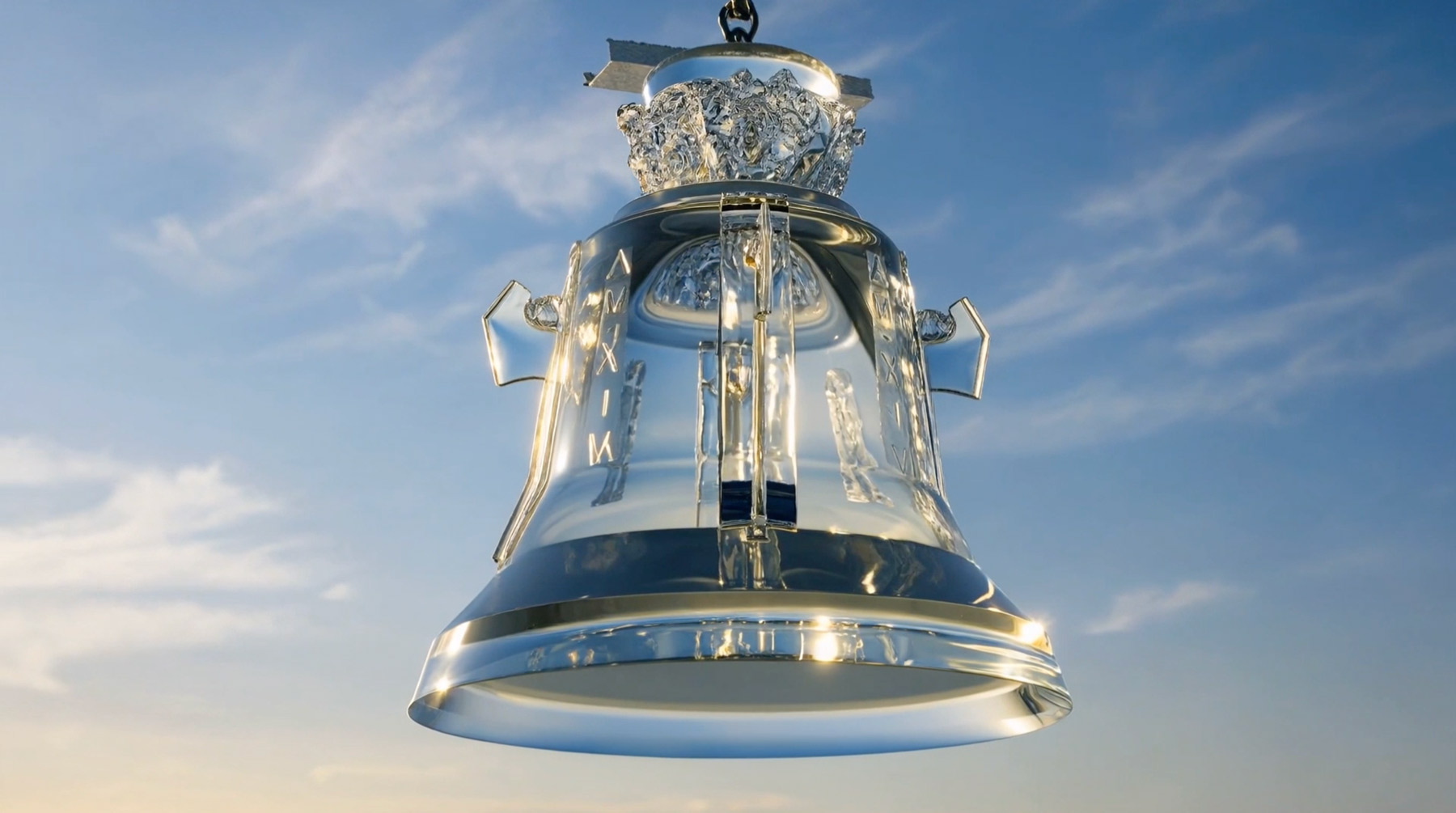
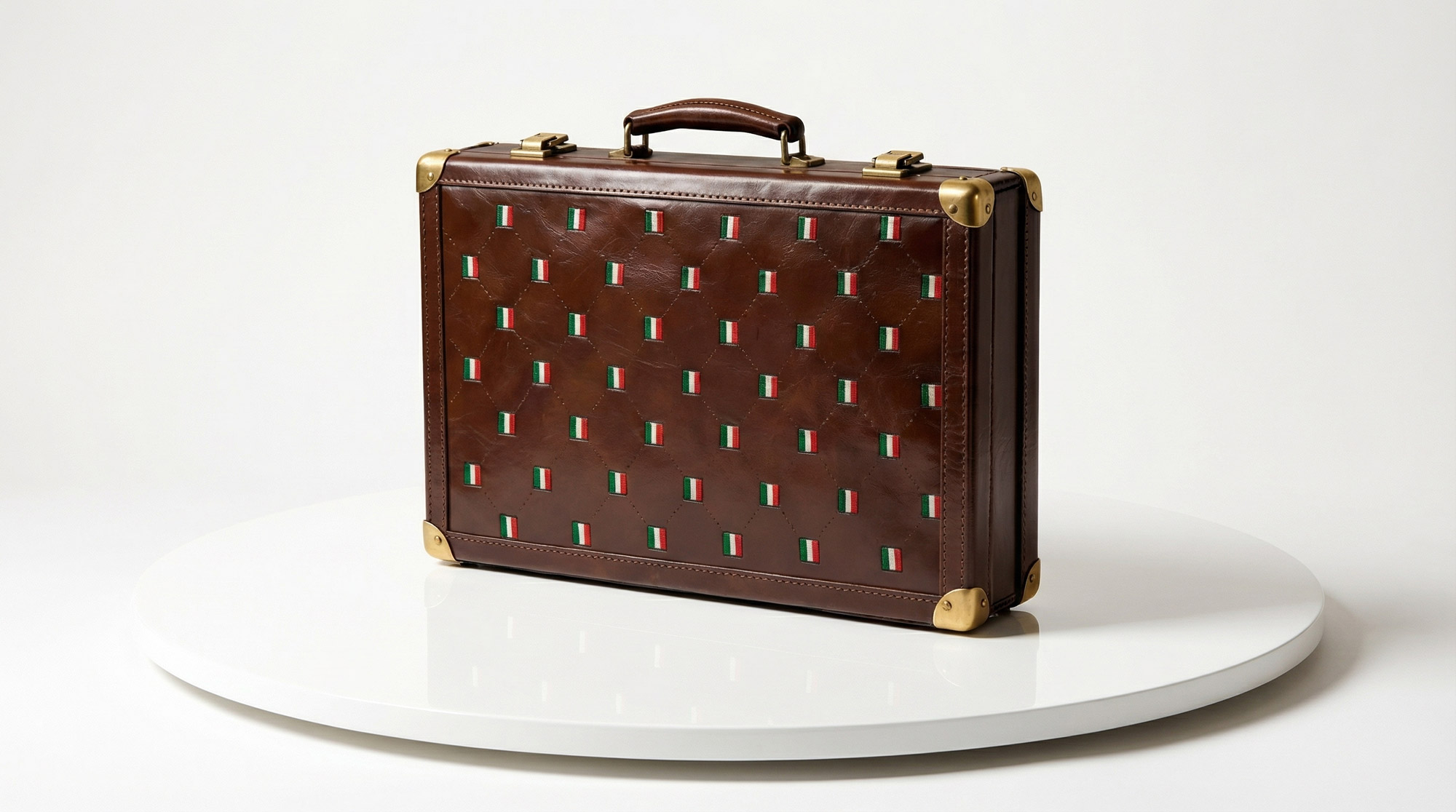
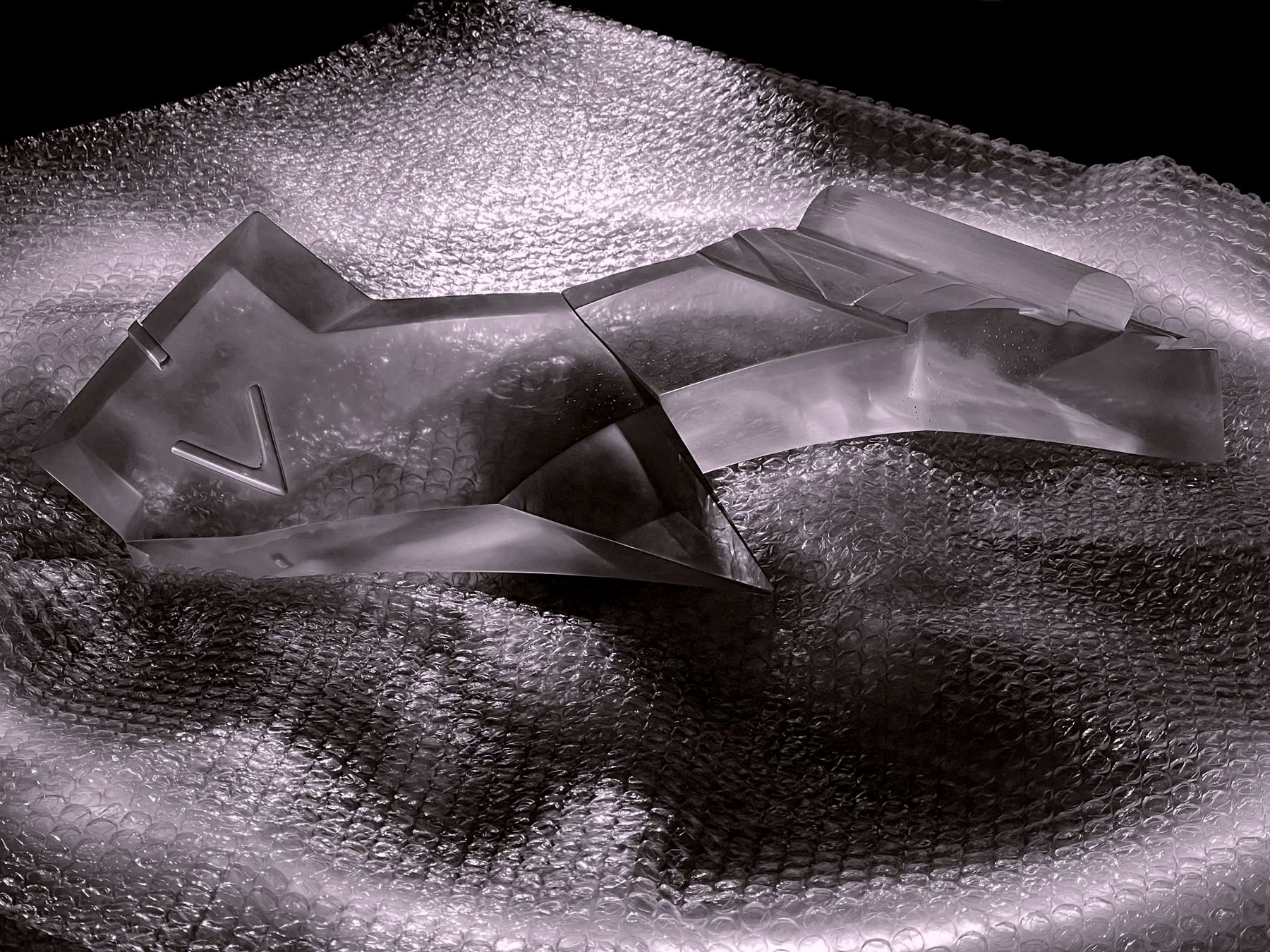
    Fragile Power begins with this resonant building and imagines the completion of its restoration. The original bell is removed and replaced by an exact replica made entirely of crystal glass. Its powerful 1930s striking mechanism is restored to full working condition and carefully attached to the new bell. A wireless activation system is housed in a custom-made briefcase, which, at the ceremonial reopening of the building, is handed over to political leadership.

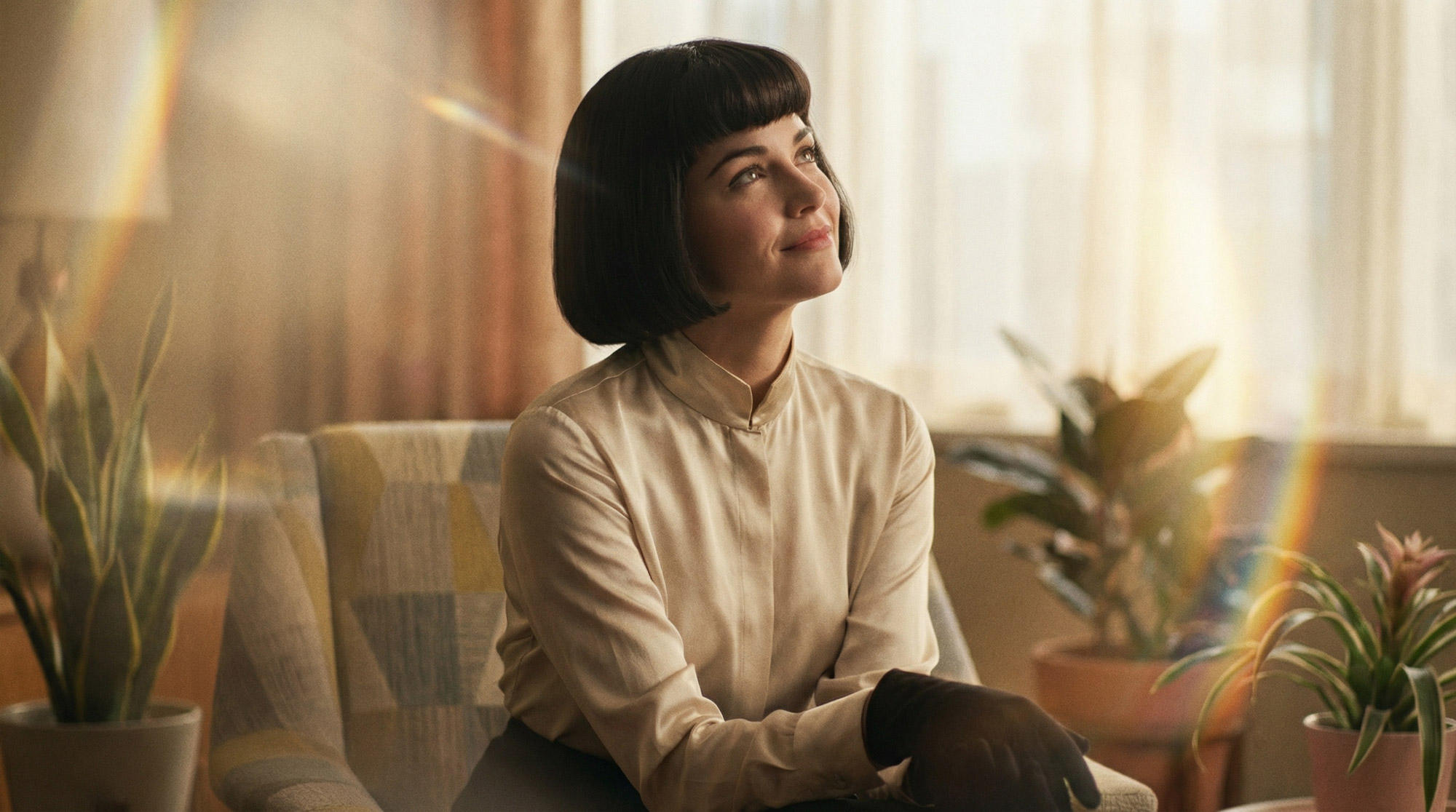
    This restoration narrative is presented as a promotional film whose affirmative language is complicated by references to the entanglements of glamour and power, Fascism and fashion. The work exposes a fundamental tension in the conservation of contested heritage: while material intervention can stabilize foundations and polish facades, their uses and meanings become increasingly contingent on the interplay between their inherent legacies and the sociopolitical contexts enveloping them. Fragile Power turns this tension into an open-ended game of possible futures, leaving the viewer to consider who might ring the bell, under what circumstances, and with what consequences.


    Film stills, exhibition views and documentation: Click to enlarge


    Fragile Power was commissioned by the Co.Co.War. Dissonant Heritage and War. Conservation and Communication of a Difficult Legacy – a research project funded by the Italian Ministry of University and Research. The work was presented at the Co.Co.War Final Conference and Exhibition, Castello del Valentino, Turin, February 2026.

    Research concerning Swarovski and National Socialism draws on the work of historian Horst Schreiber, including Das Unternehmen Swarovski im Nationalsozialismus (StudienVerlag, 2025).
  • Artistic Provenance Research

    Artistic Provenance Research

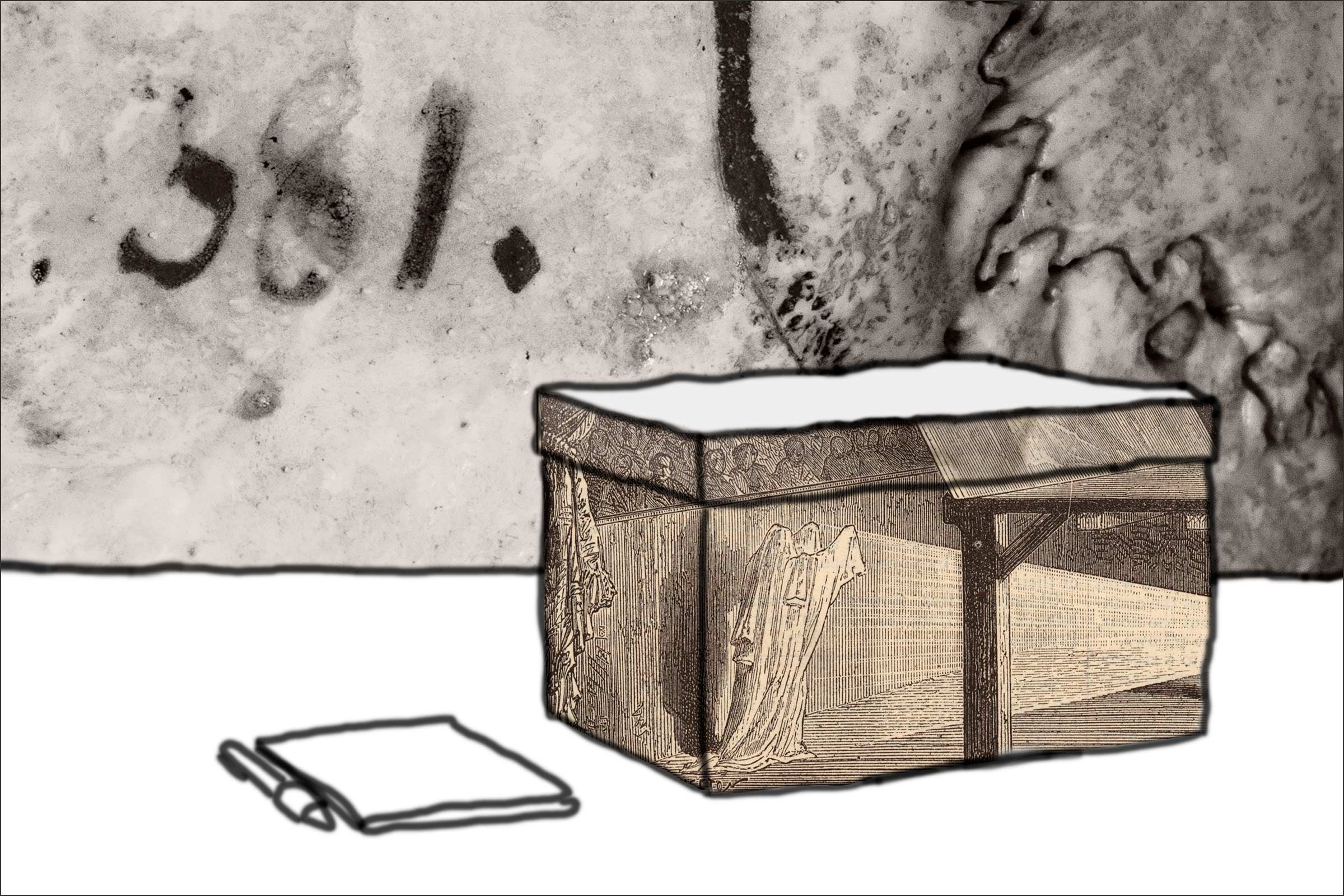
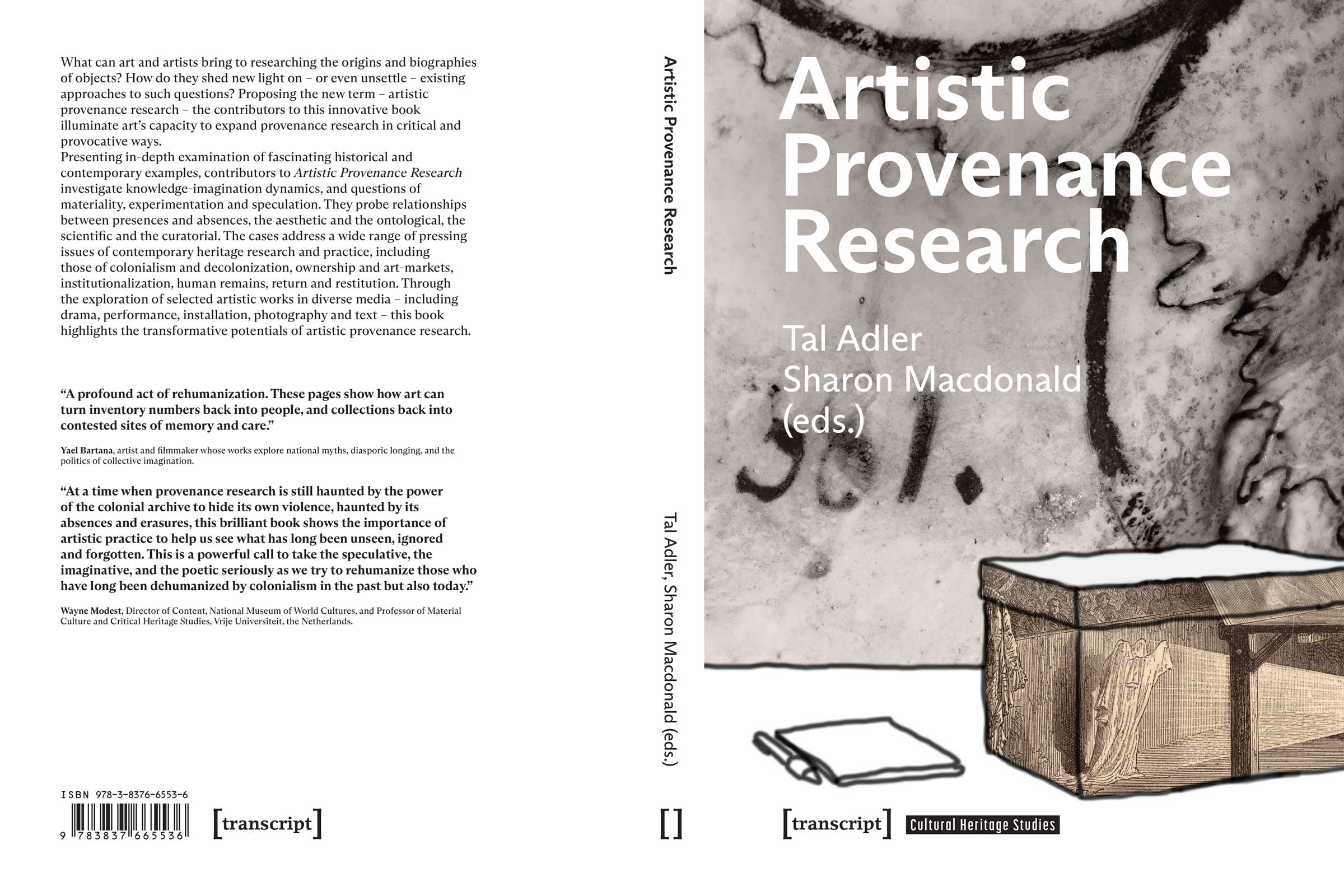
    Artistic Provenance Research (APR) mobilizes artistic methods and sensibilities to engage with questions concerning the histories and ownership of objects and collections, including human remains and ancestors. APR can be both a form of provenance research and a reflection on how provenance research is conducted.
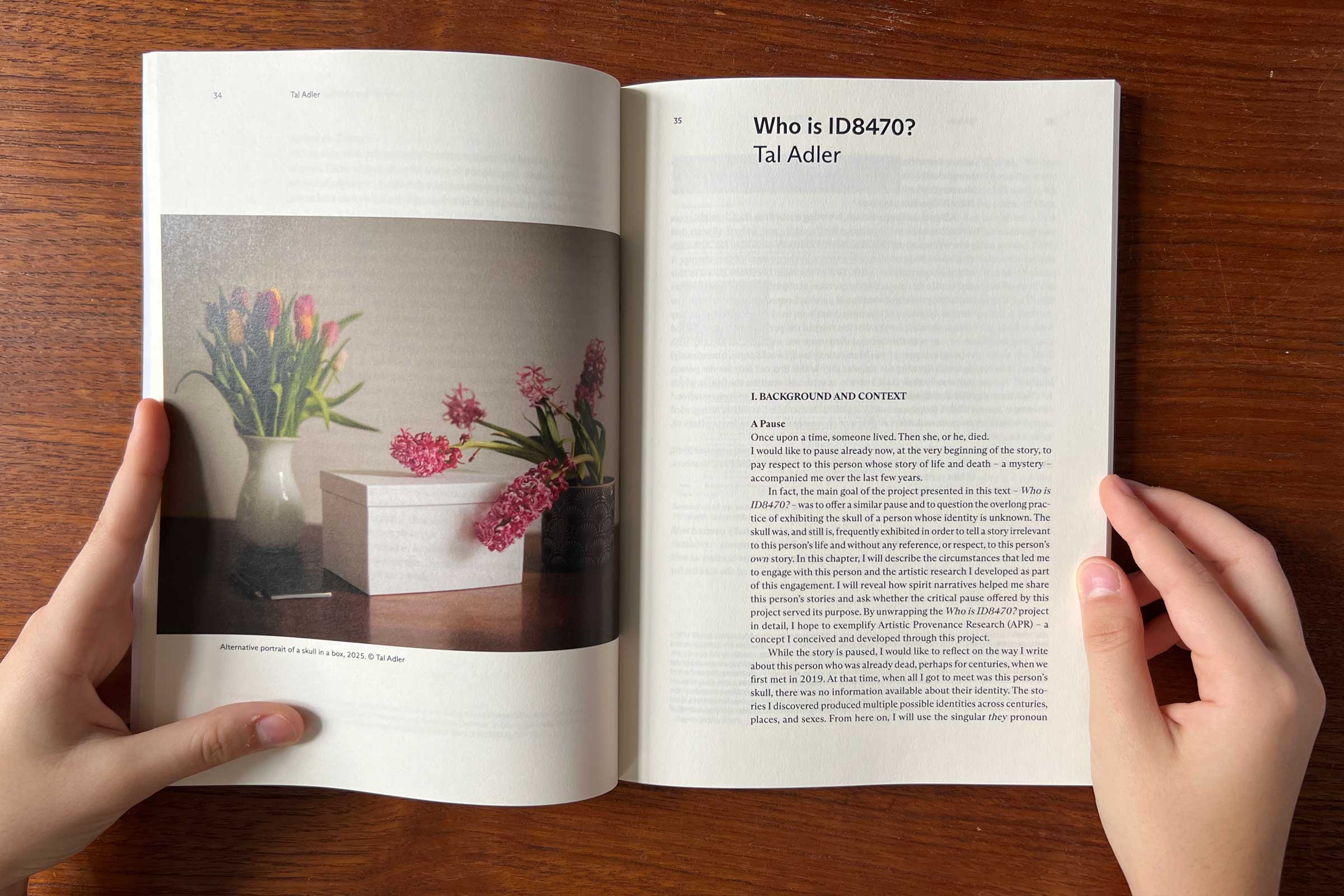
    The concept of APR emerged through Adler’s project Who is ID8470?, which began in 2019 around an unidentified human skull in the anatomical collection of the Charité in Berlin. When attempts to initiate conventional provenance research through the institutions concerned were unsuccessful, the artistic-research project itself commissioned, funded, managed and hosted scientific provenance research as an integral part of its work. Reflecting on what this meant for both artistic research and provenance led Adler to coin the term Artistic Provenance Research. The concept was first presented publicly in 2022.

    APR is deeply grounded in research, but expands the questions, methods and forms through which provenance can be investigated. It can work with archival and object-based research as well as collaboration, autobiographical reflection, artistic speculation and other ways of addressing gaps, absences and conflicting accounts. Its capacity to incorporate indeterminacy and ambiguity makes it possible to engage with aspects of an object’s history that cannot necessarily be resolved through documentary evidence alone. APR is not an alternative to conventional provenance research; it can work alongside it, support or initiate it, while also questioning its assumptions and limitations. 

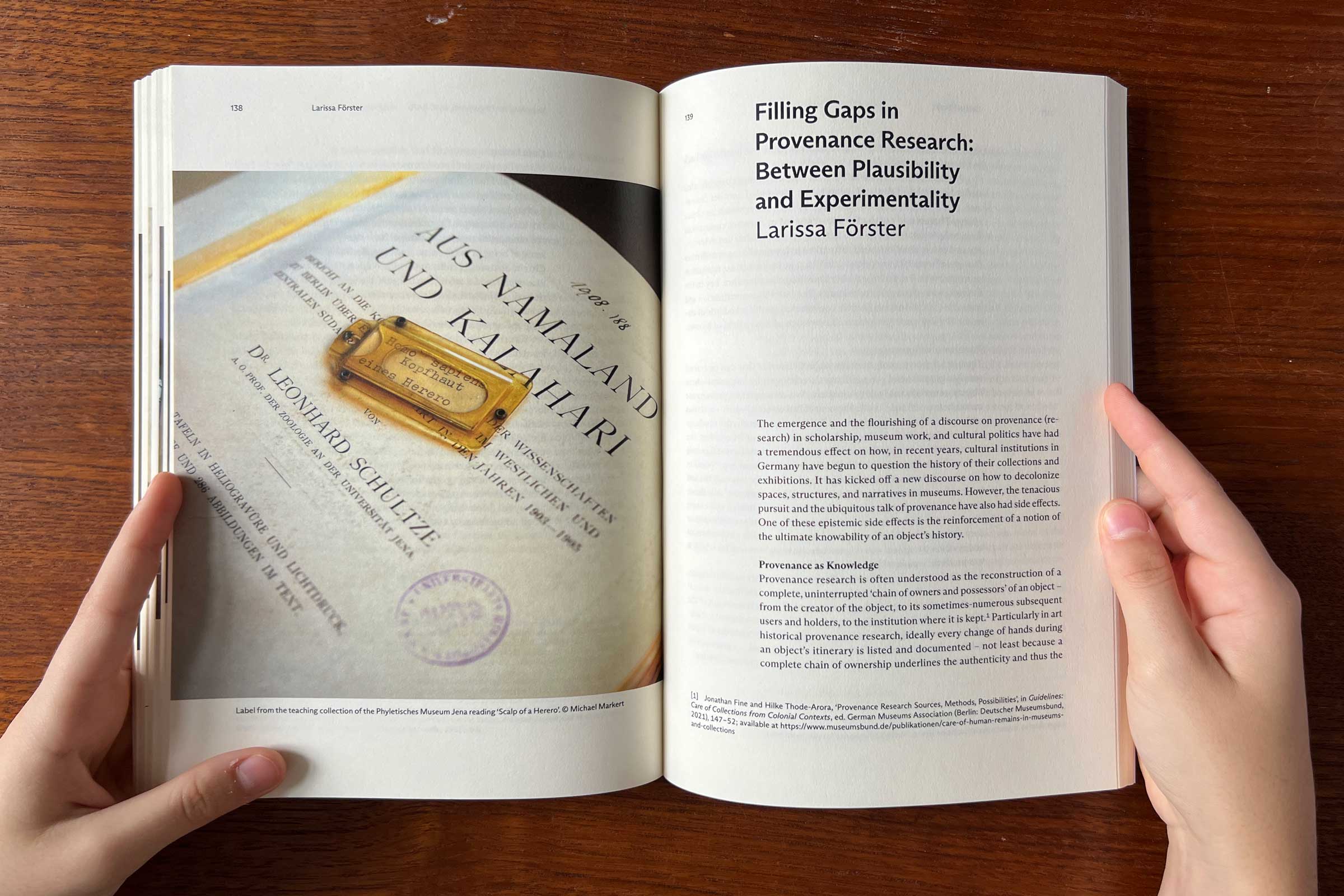
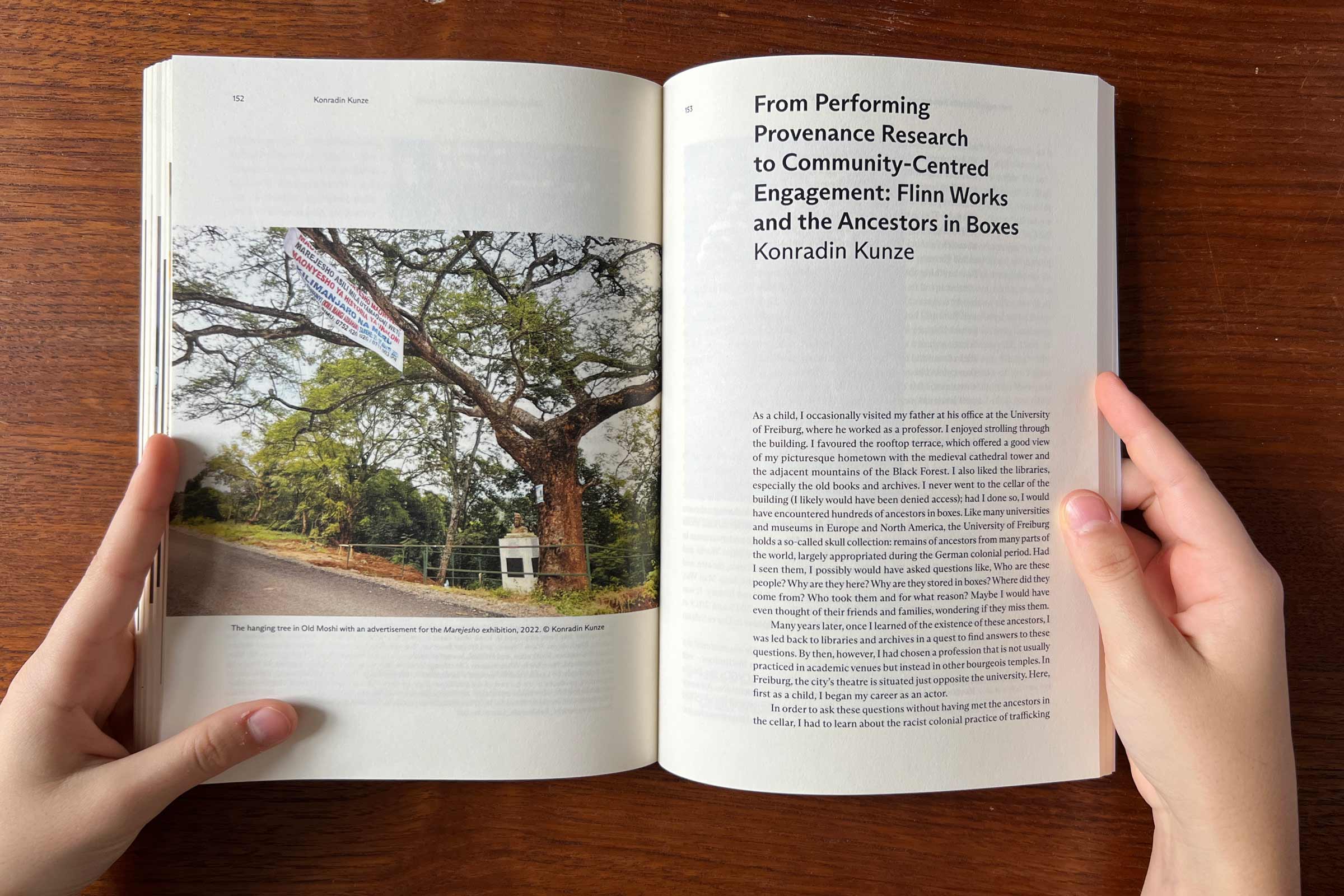
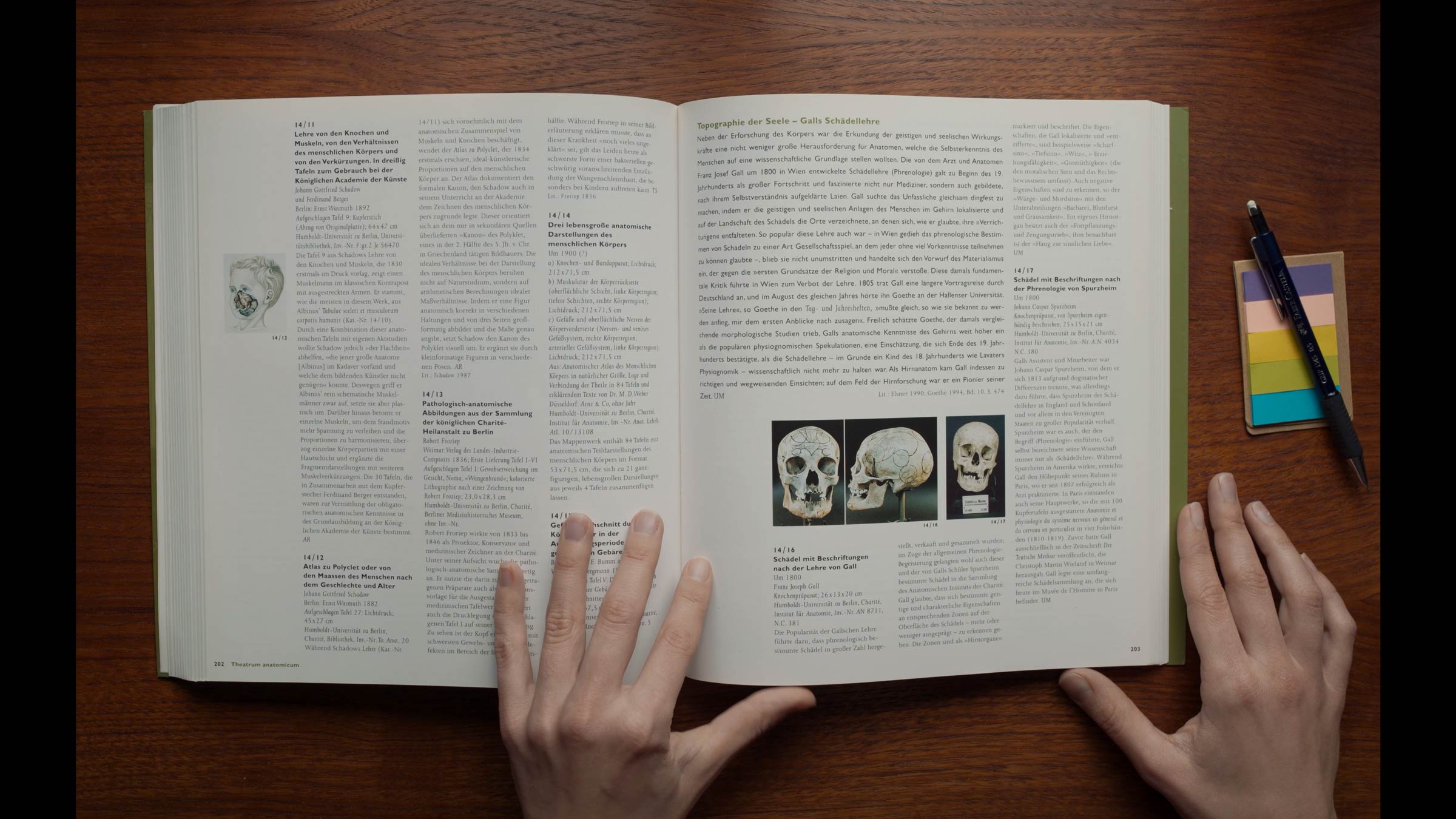
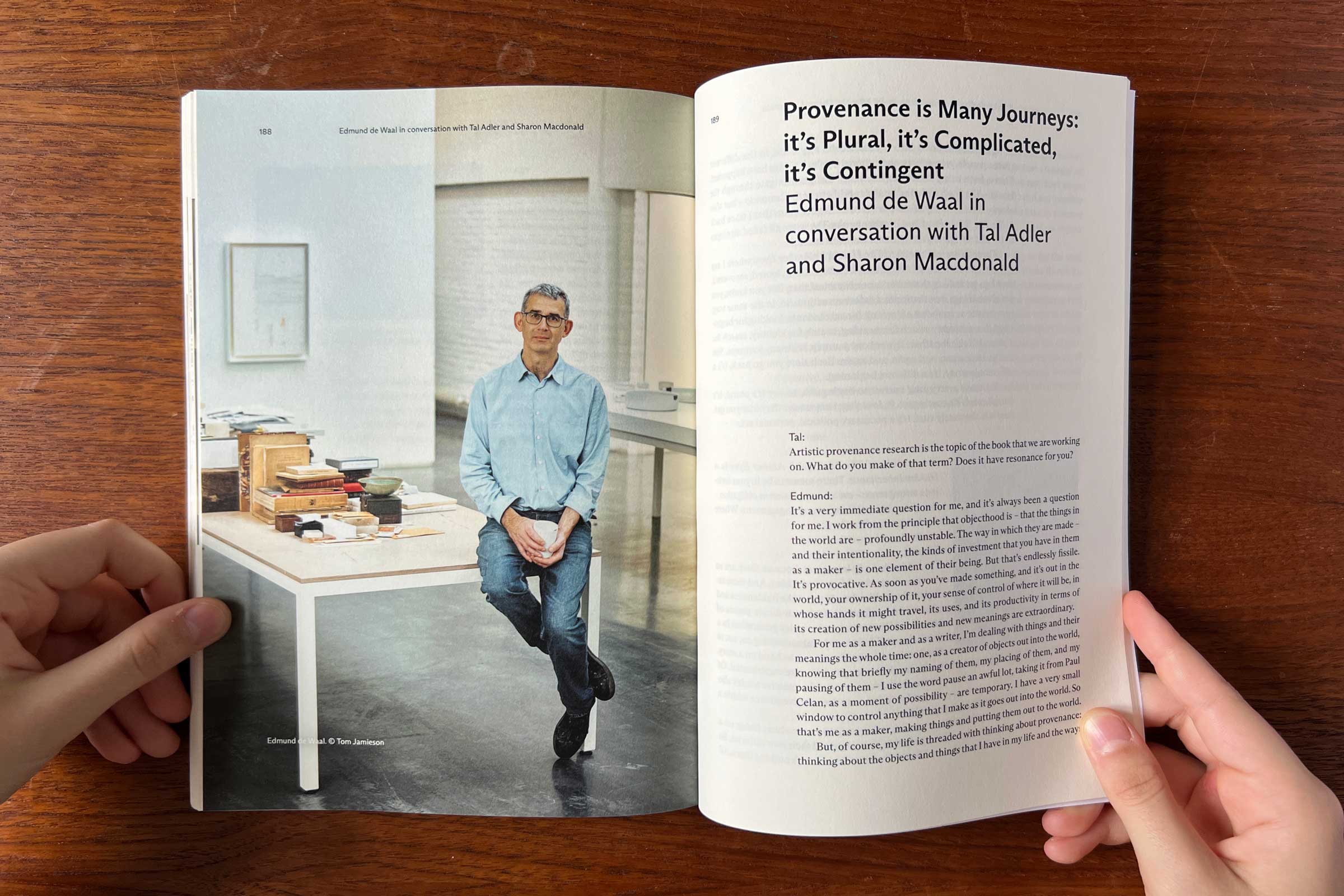
    Adler developed the concept further together with Sharon Macdonald through research, discussions and examples of related practices by other artists and researchers. Their co-edited, open-access book Artistic Provenance Research, published by transcript in 2025, brings these approaches together and introduces APR into wider debate and practice.

    Adler continues to employ and develop APR through his work with collections, archives and contested histories.


    Selected pages from the book: Click to enlarge


    APR and Who is ID8470? were researched and developed at the Centre for Anthropological Research on Museums and Heritage (CARMAH), Humboldt-Universität zu Berlin under the Making Differences: Transforming Museums and Heritage in the Twenty-First Century project, funded primarily by Sharon Macdonald’s Alexander von Humboldt Foundation professorship.

    Publication:
    Artistic Provenance Research, edited by Tal Adler and Sharon Macdonald, transcript Verlag, 2025. Open-access was supported by the Open Access Publication Fund of Humboldt-Universität zu Berlin and the Alexander von Humboldt Foundation.
    Graphic design: Gila Kaplan and Avi Bohbot.

  • Who is ID8470?

    Who is ID8470?

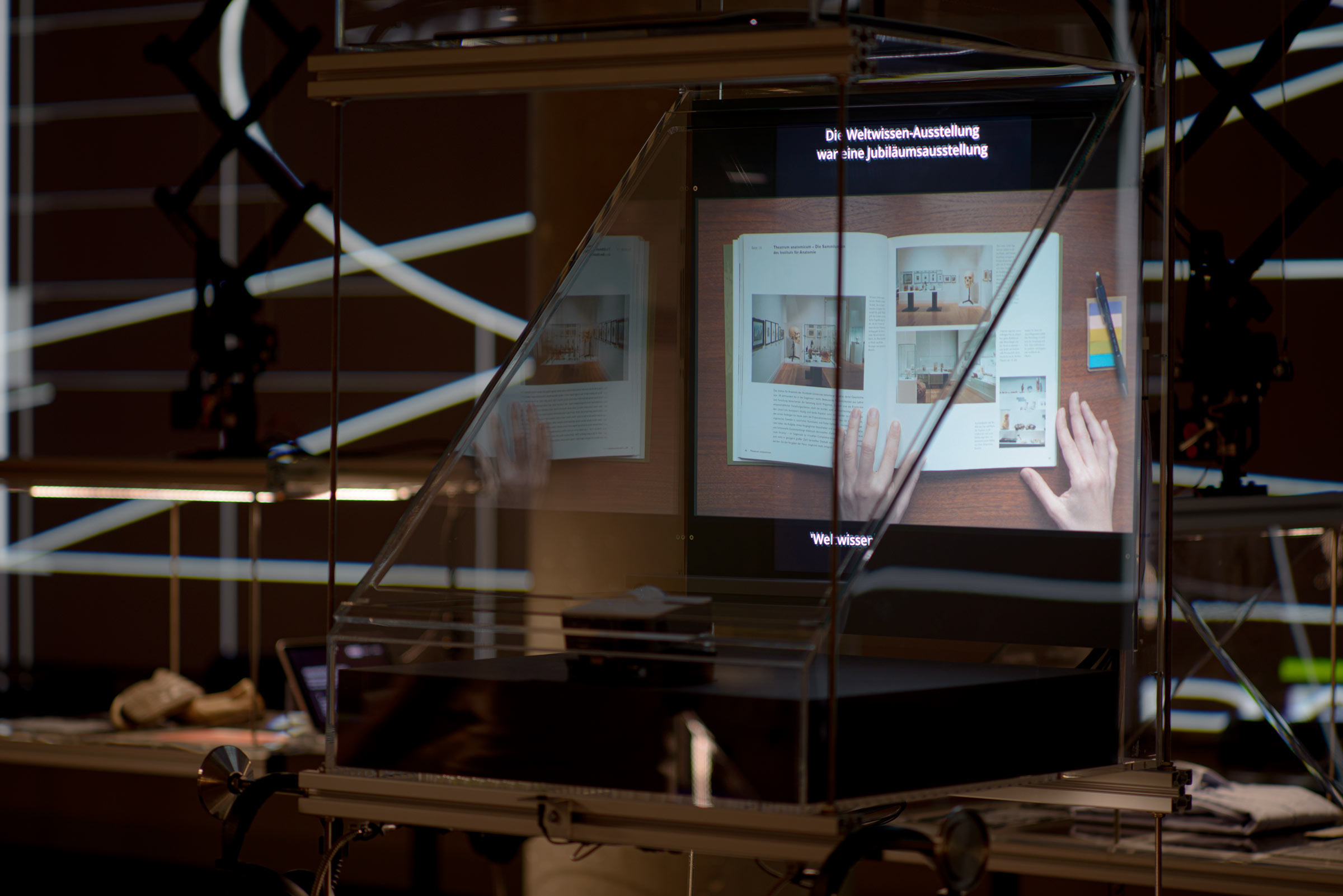
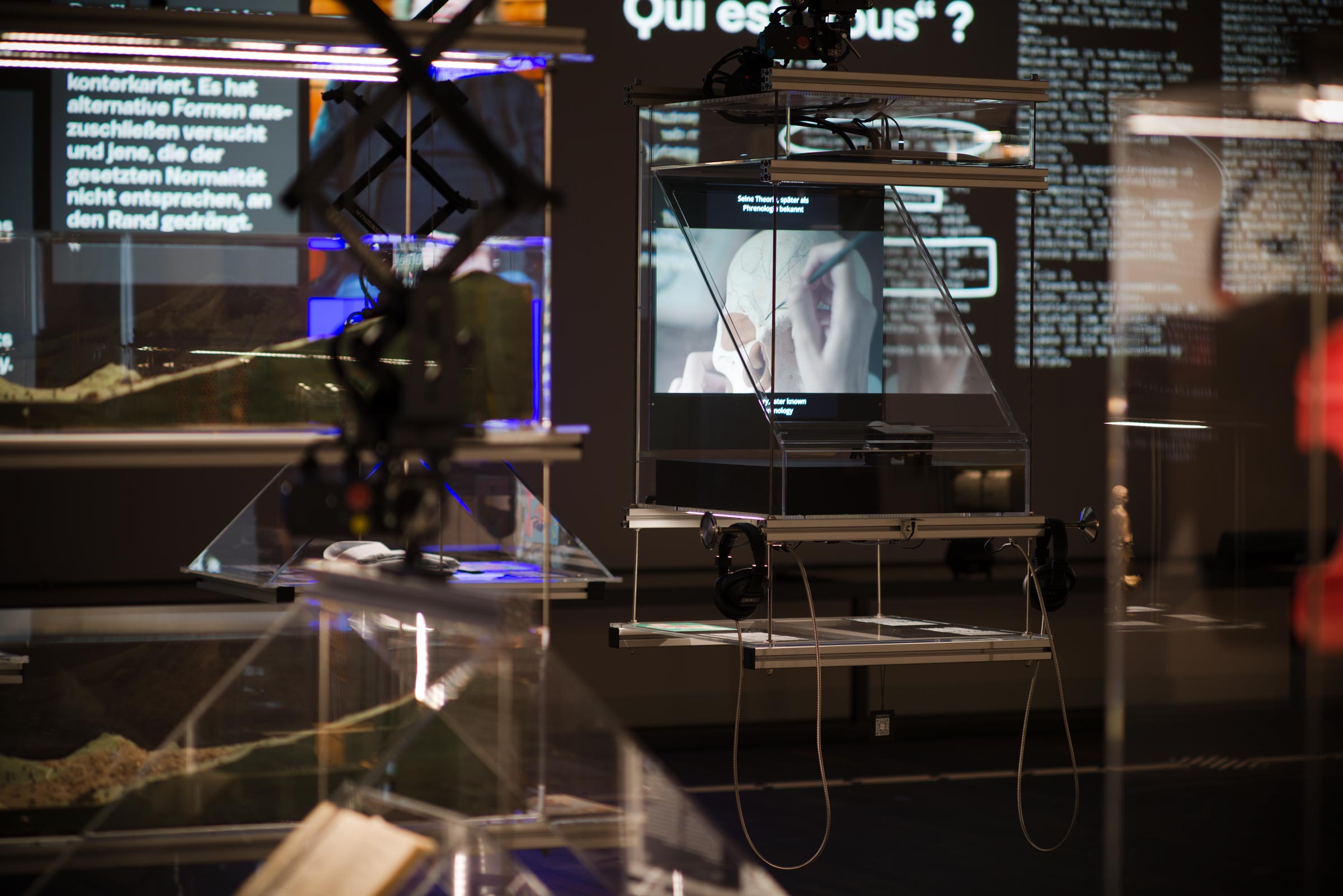
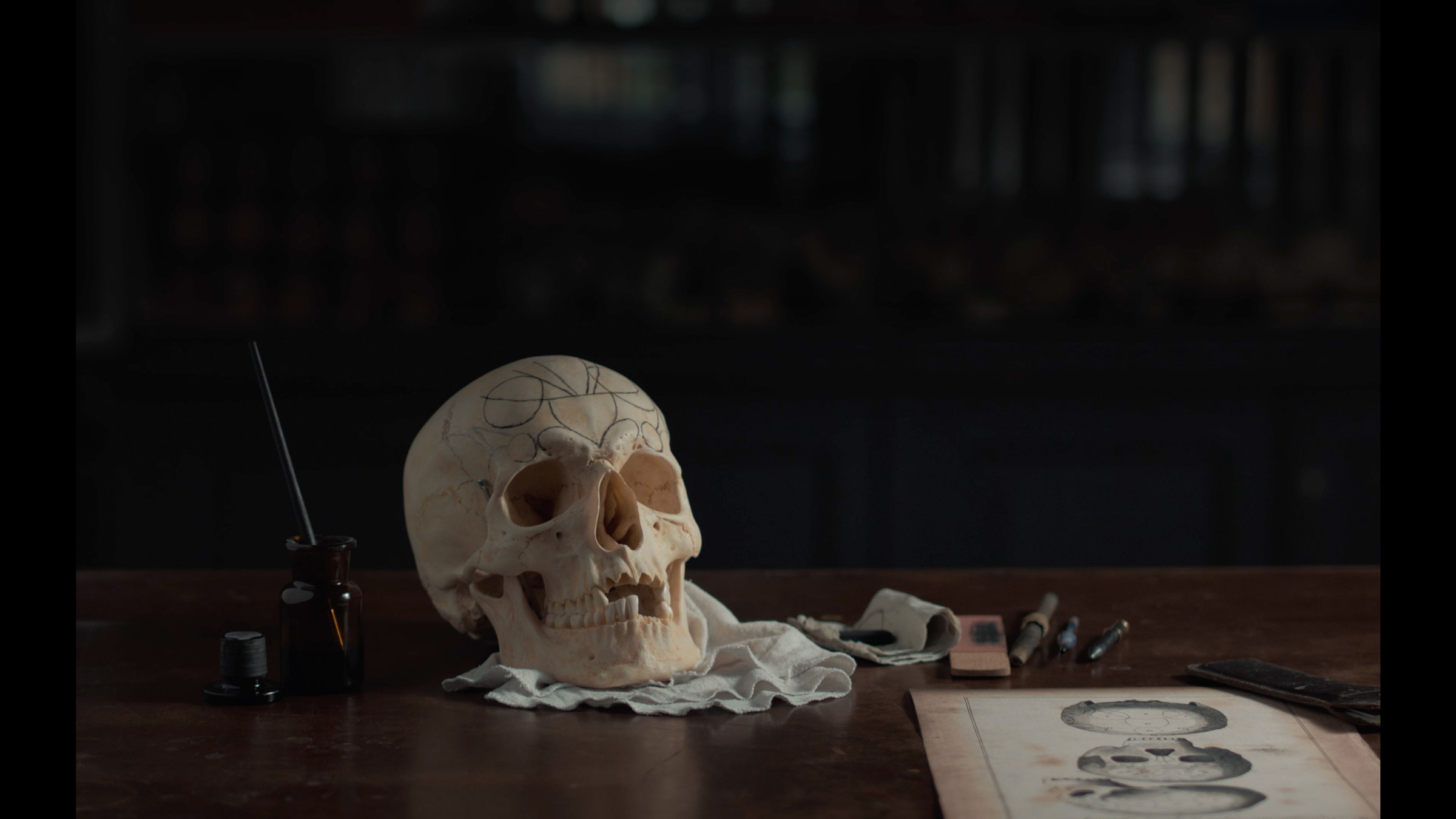
    The project began in 2019 with a disagreement among the curators of the Humboldt Lab at the Humboldt Forum in Berlin. They were considering exhibiting an unidentified human skull from the Anatomical Collection of the Charité, marked with phrenological inscriptions according to the theories of Franz Joseph Gall. The skull had already appeared in numerous scientific exhibitions, commonly referred to as the ‘Gall skull’, while nothing was known about the person to whom it had belonged.

    Based on his work on Dead Images, a long-term project on the histories, ethics and politics of collections of human remains, Tal Adler was invited by Humboldt Lab curator Friedrich von Bose to a consultation meeting with the curatorial team. Adler proposed an artistic research project that would turn the curatorial dilemma itself into the subject of inquiry and would avoid exhibiting the skull – shifting attention from Gall and phrenology towards the unidentified person whose remains had become a collection and exhibition object.

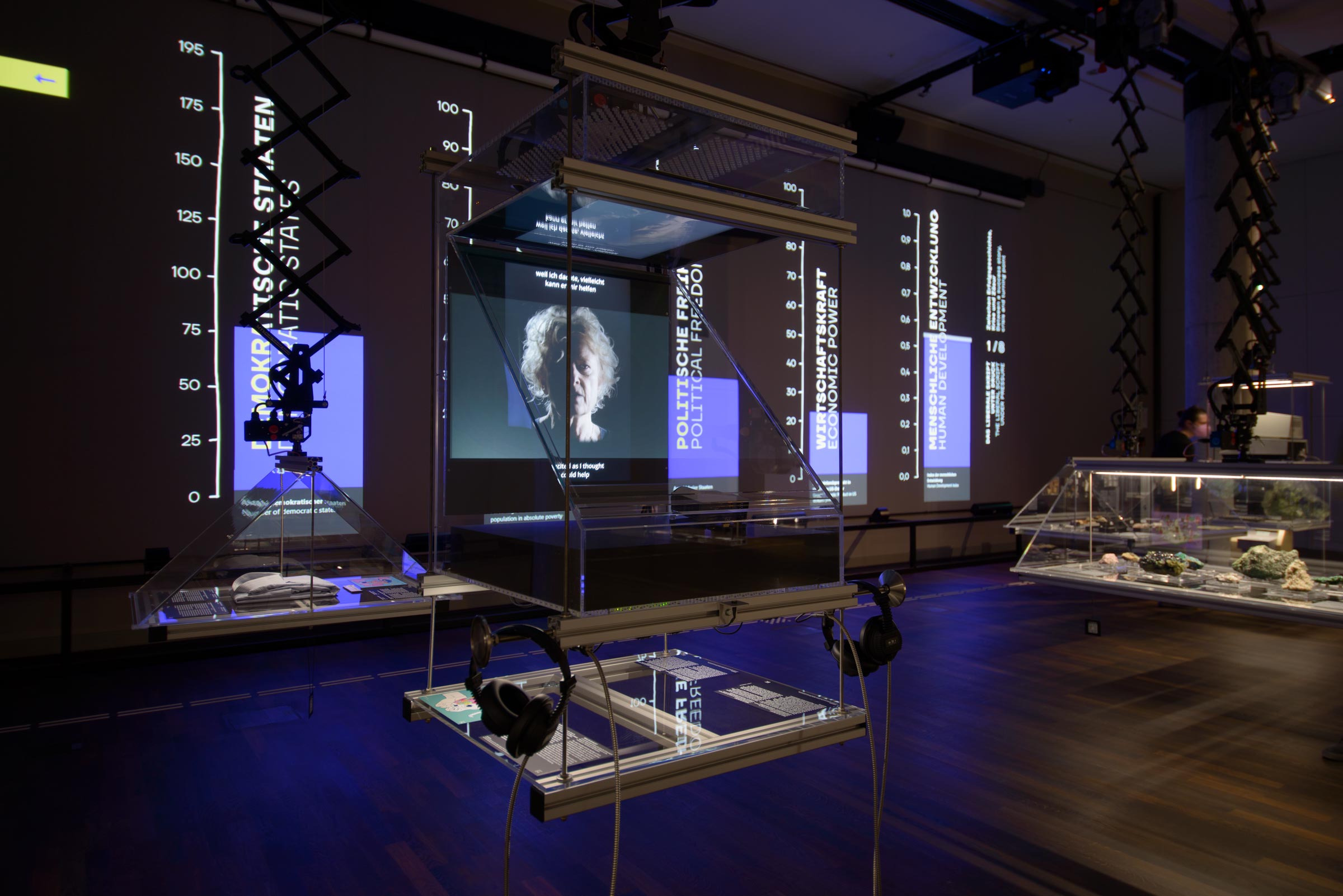
    When the Humboldt Lab opened in 2021, the skull’s now empty showcase was replaced by a Pepper’s Ghost installation containing a two-channel video. At its centre were encounters with spirits who claimed the skull as their own, alongside interviews with the living addressing the curatorial conflict, anatomical collections, phrenology, provenance and the ethics of displaying human remains. The installation remained at the Humboldt Lab until 2025.

    The inquiry continued beyond the exhibition. When Adler’s attempts to initiate conventional provenance research through the institutions concerned were unsuccessful, Who is ID8470? itself commissioned, funded, managed and hosted that research. Reflecting on these processes led Adler to coin the term Artistic Provenance Research (APR).

    Four chapters in the book Artistic Provenance Research provide complementary accounts of the project. Tal Adler’s ‘Who is ID8470?’ traces its development from the initial invitation through the exhibition and subsequent research, while ‘We Are ID8470’ focuses on the encounters with the spirits and the historical research into their biographies. Friedrich von Bose’s ‘Intervening Potentials’ examines the curatorial conflict and collaboration from the perspective of the curator who initiated the invitation. Marion A. Hulverscheidt’s ‘Searching for Fingerprints on ID 8470’ presents the scientific provenance research commissioned by the project.


    Exhibition views and film stills: Click to enlarge


    Based at the Centre for Anthropological Research on Museums and Heritage (CARMAH), Humboldt-Universität zu Berlin, as part of Making Differences: Transforming Museums and Heritage in the Twenty-First Century. Funded through CARMAH director Sharon Macdonald’s Alexander von Humboldt Professorship. Developed in collaboration with the Humboldt Lab at the Humboldt Forum. Full production and contributor credits appear at the end of the Who is ID8470? video.

  • Traces and the CCP Model

    Traces and the CCP Model

    The Creative Co-Production (CCP) is a model for collaborative artistic, scientific, and institutional teamwork, developed specifically for engagements with contentious cultural heritage. Developed by Tal Adler in 2015, the CCP addresses the limitations of traditional short-term artistic interventions often commissioned and hosted by heritage institutions. Unlike these brief engagements, the CCP fosters long-term, multidisciplinary cooperation among artists, researchers, heritage custodians, and affected communities to pursue significant and sustainable transformations in the ways contentious histories are interpreted and disseminated.

    The CCP model was first implemented in the framework of the TRACES (Transmitting Contentious Cultural Heritages with the Arts – from Intervention to Co-Production) project that received funding from the EU Horizon 2020 research and innovation programme from 2016 to 2019. Under this framework, Adler set up and coordinated five CCP teams, which over a period of three years, engaged with difficult heritages encompassing different social, political and geographical contexts.

    Around these five CCPs, the TRACES consortium, spread across 11 partners in 10 countries in Europe, explored different aspects of the CCPs’ work such as artistic methods, ethnographic reflections, pedagogical affordances, and impacts on contentious collections. Adler was also a member of one of the five CCPs, Dead Images, which brought his ten-year engagement with two anthropological collections at the Natural History Museum Vienna to completion.

    The work of TRACES and its five CCPs was brought together in the open-access publication Contentious Cultural Heritages and Arts: A Critical Companion (2021). Adler contributed ‘The Creative Co-Production: An Experimental Model for Artistic Engagements with Contentious Cultural Heritage’; ‘Dead Images: Facing the History, Ethics and Politics of European Skull Collections’, with Linda Fibiger, John Harries, Joan Smith, Anna Szöke and Maria Teschler-Nicola; and ‘Reflexive Photography and the Transformation of Shock: An Interview’, with John Harries.


    Context and documentation: Click to enlarge


    TRACES was funded under the European Union Horizon 2020 Research and Innovation Programme, Grant Agreement No. 693857.

    Consortium partners:
    Alpen-Adria-Universität Klagenfurt , Austria; Politecnico di Milano, Italy; Humboldt-Universität zu Berlin, Germany; University of Oslo, Norway; Zurich University of the Arts (ZHdK), Switzerland; Hosman Durabil, Romania; Natural History Museum Vienna, Austria; University of Edinburgh, United Kingdom; Jagiellonian University, Poland; Ulster University, United Kingdom; Domestic Research Society, Slovenia.

    Creative Co-Productions:
    Absence as Heritage, Mediaș
    Awkward Objects of Genocide, Kraków
    Casting of Death, Ljubljana
    Dead Images, Vienna / Berlin / Edinburgh
    Transforming Long Kesh/Maze Prison, Belfast

  • Dead Images

    Dead Images

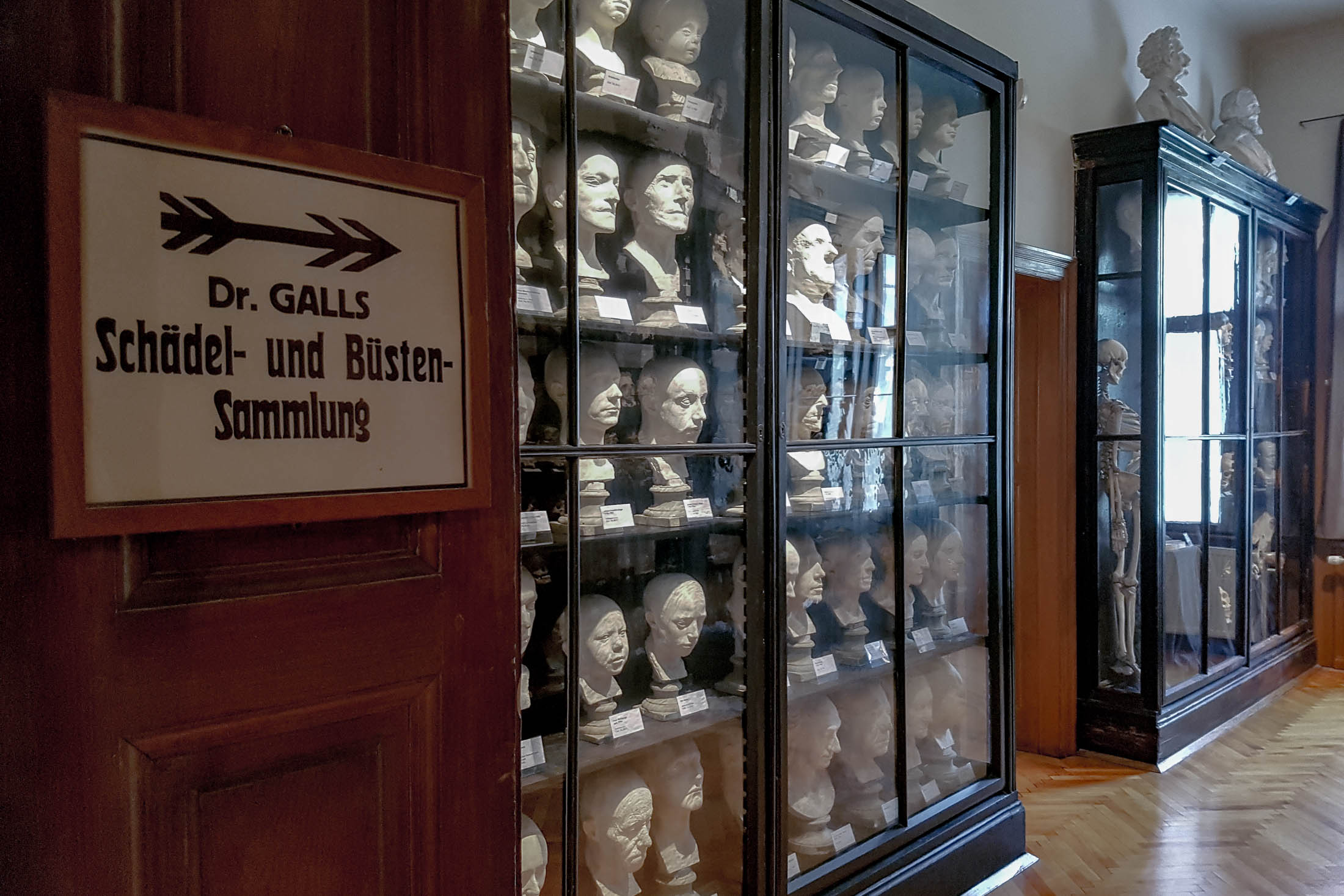
    The project began in 2009 with an encounter between Tal Adler and a 30-metre-long glass-faced cabinet in the department of anthropology at the Natural History Museum Vienna. Behind the glass, from floor to ceiling, more than 8,000 human skulls were arranged on shelves, numbered and inventoried and facing the glass – or the windows in front of the cabinet.

    Facing the cabinet, shocked and amazed, Adler heard from Margit Berner – curator at the department of anthropology – about the ways in which the skulls ended up on these shelves. He learned that these were merely a part of a collection of human bones of over 40,000 individuals kept inside boxes, stored in different locations at the museum. He heard about a century-long frenzy for skulls fed through military, scientific, and colonial expeditions; missionary networks; private trade; looted graves; war hospitals and prisoner camps; Nazi extermination facilities; and various kinds of excavations and exhumations.

    Stepping closer and gazing at one skull, and then at another, Adler saw the individuals they were. He started to think about the people they used to be, how each had a name, a life with passions, problems, family, projects. Stepping back to grasp the entire cabinet – the silent lives amassed in it, arranged densely and orderly – was overwhelming. A ten-year project unfolded around this initial shock.

    In 2012, after gaining research funding, Adler returned to photograph the cabinet to create a highly detailed life-size panorama of it. He then returned to the museum with a question: what was behind the large wooden doors in the middle of the cabinet, interrupting the repeating pattern of skulls on shelves?

    The answer provided Adler’s second realization, or shock, in front of the cabinet. Maria Teschler-Nicola – head of the anthropology department at the time – accompanied him to the cabinet and unlocked the wooden doors. Behind them, a big room was revealed: the department’s historical photographic laboratory (darkroom), established during National Socialism. With darkroom techniques becoming obsolete, the room was now being converted to store the department’s large photographic collection of over 50,000 items. These included images of thousands of living people – among them Indigenous people, performers in human shows, prisoners of war, and Holocaust victims – photographed and classified as biological specimens, or criminals, through racist research protocols.

    This discovery sharpened Adler’s dilemma about the panorama he had just created: Using the panorama to create a public discussion around such collections and their troubled histories, could the critical image reproduce the objectification it sought to address? Would exhibiting the panorama repeat the violence of exposure, dispossession, and dehumanization? And as the project intended to involve descendants of people whose skulls were in the collection, would they be offended by, or object to, the display of an image of their ancestors’ remains?

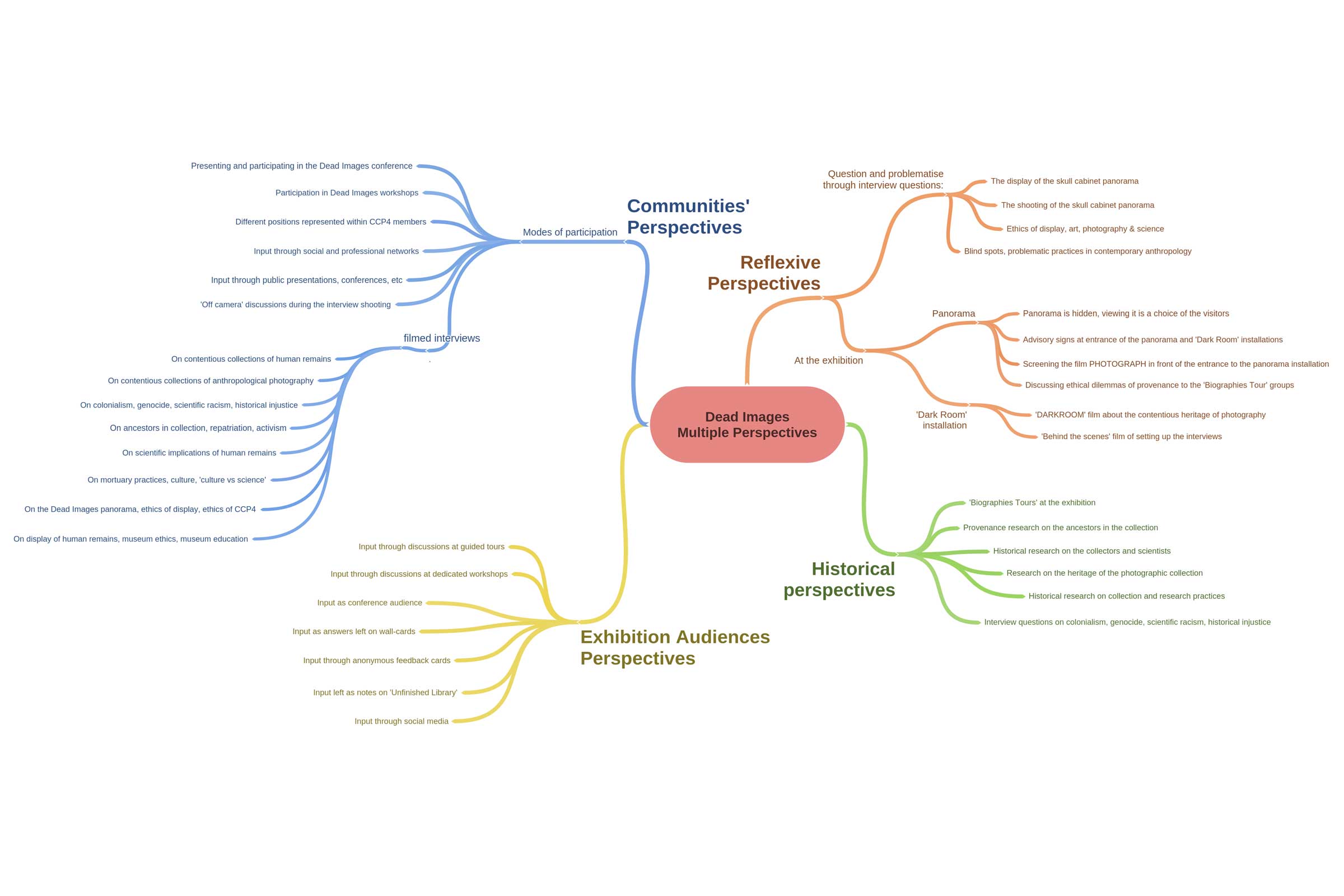
    These questions became the basis of Dead Images. In 2016, with research and innovation funding from the EU Horizon 2020 programme, an interdisciplinary group of artists, anthropologists, archaeologists, and historians formed around the project. Together with museum professionals, researchers, representatives of descendant communities and others concerned with such collections, they investigated different, sometimes conflicting positions on the collection, research, display, and return of human remains.

    The process culminated in a large exhibition at Edinburgh College of Art in 2018. Rather than resolving the dilemmas that had shaped the project, the exhibition incorporated them as its core rationale, extending the questioning from the collections and their histories to the photograph, the curatorial process and the experiences of the visitors themselves.


    Explore the project: Click to view individual pages


    Dead Images was supported by:
    2011–2012: Austrian Science Fund (FWF/PEEK), for the project MemScreen
    2013–2015: Austrian Science Fund (FWF/PEEK), for the project Conserved Memories
    2016–2019: European Union Horizon 2020, for the project TRACES
    Dead Images team / Creative Co-Production (CCP) in TRACES (2016-2019):
    Tal Adler, Linda Fibiger, John Harries, Joan Smith, Anna Szöke, Maria Teschler-Nicola

  • Sharing Stories

    Sharing Stories

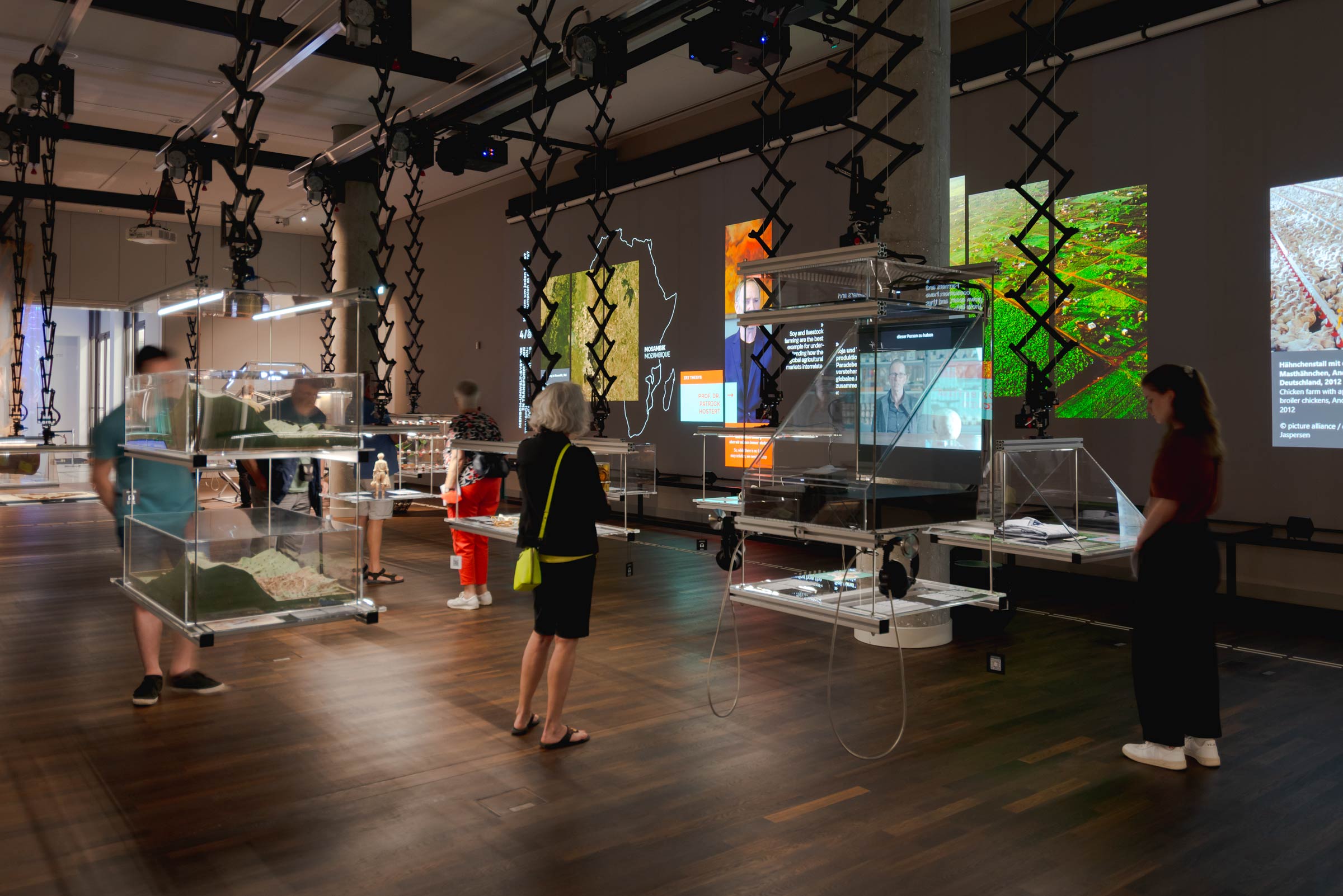
    Ethnographic museums often have a difficult history of collecting, research and display. Many objects found in such museums were acquired, or looted, in the context of colonialism. The history of racially motivated research and expropriation, and the problems of interpreting and representing ‘the Other’, are often invisible in the display of these objects.

    Against this background, in late 2014, Adler and historian and art-educator Karin Schneider were invited by the Weltmuseum Wien to develop a concept for a public outreach project during the period when the museum was closed for renovations. Working with the museum’s curators Claudia Augustat and Jani Kuhnt-Saptodewo and the Viennese cultural institution Brunnenpassage, Sharing Stories was developed through an interdisciplinary collaboration based on Adler’s artistic concept.

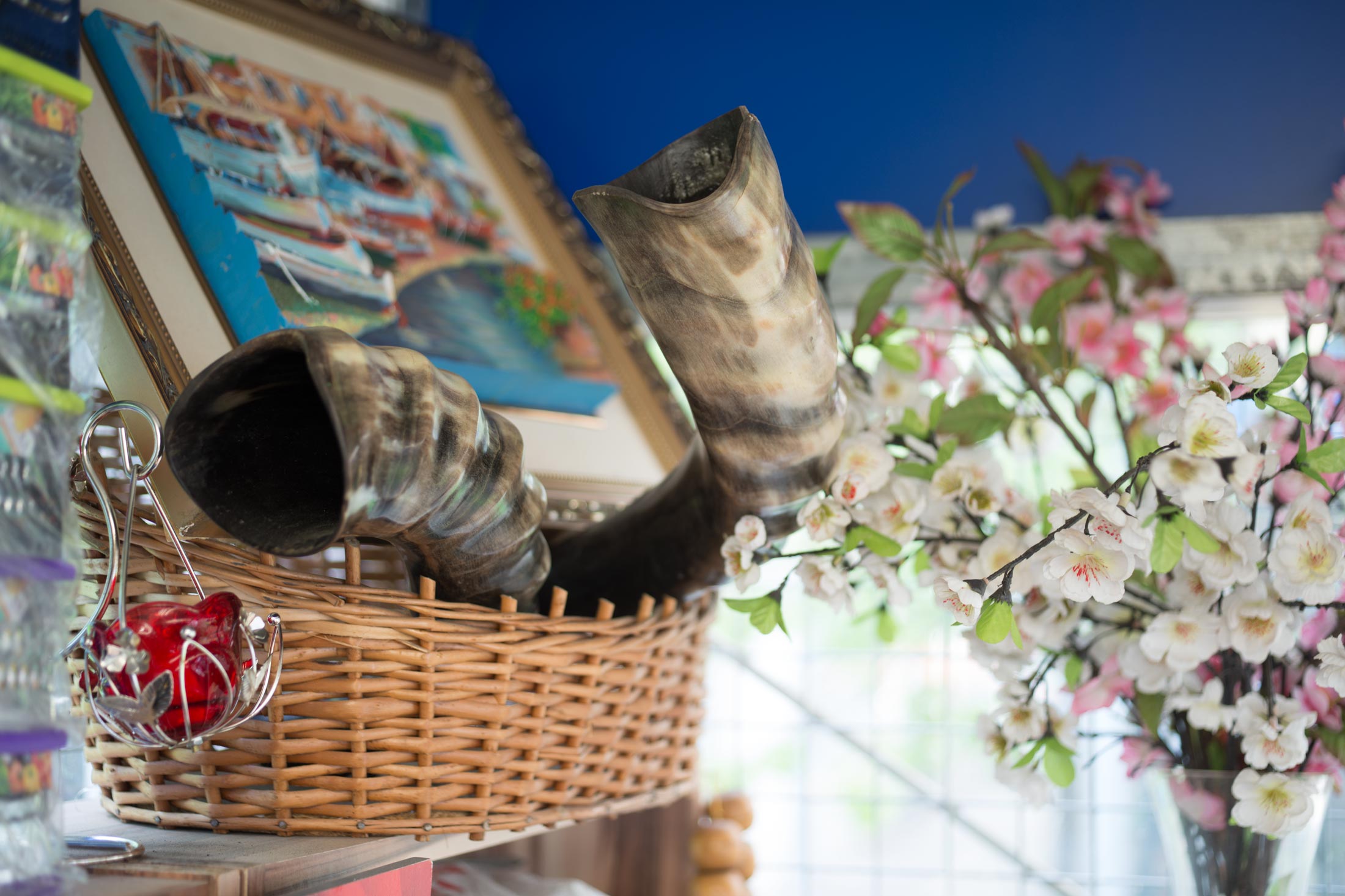
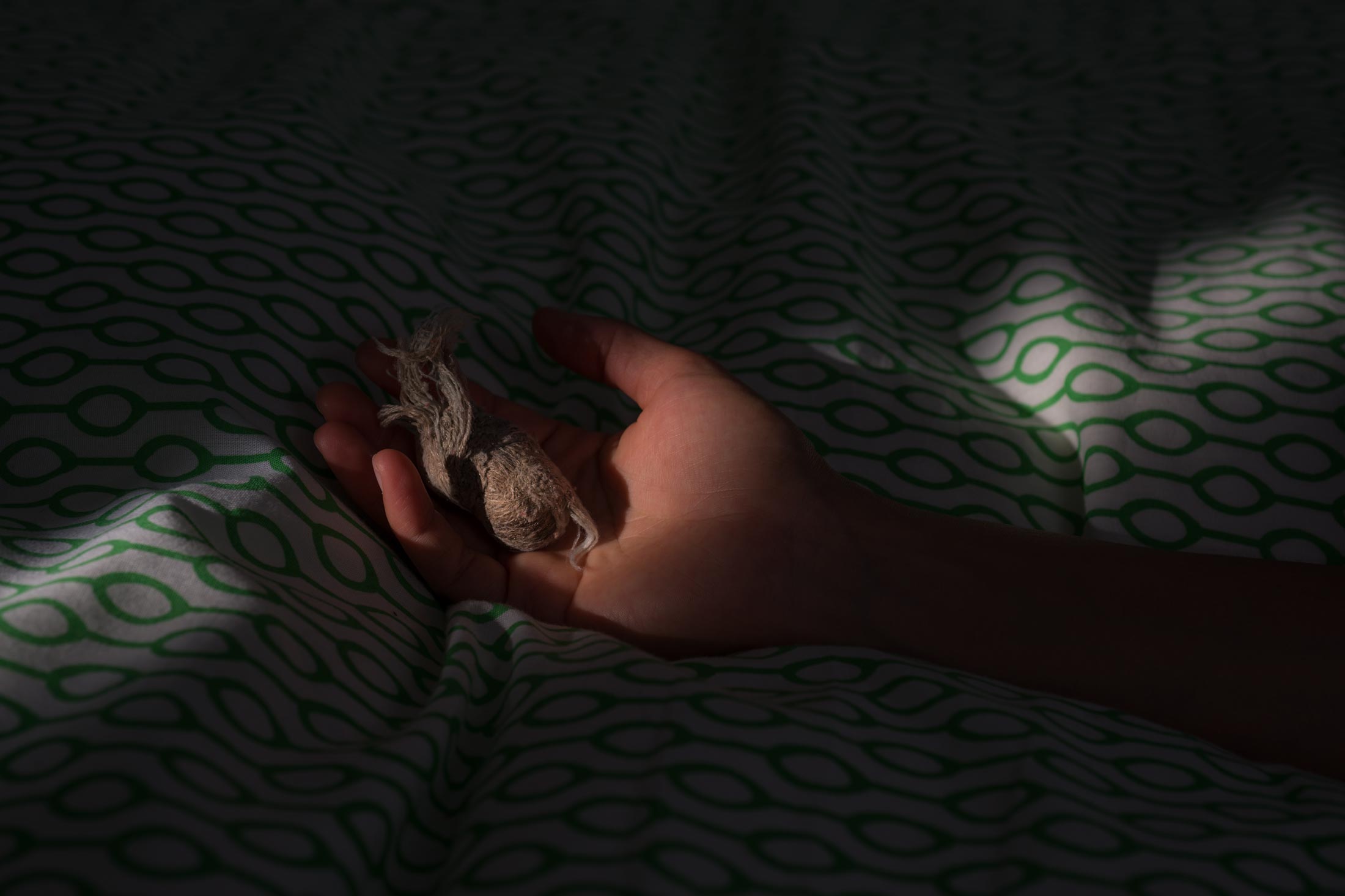
    Between 2015 and 2017, 10 pop-up stations in Vienna invited the public to bring an object meaningful to them and tell its story. A dedicated interview format developed for the project generated approximately 150 personal accounts. From simple, everyday objects such as a key or a necklace, to rare objects such as a box for a missing film or a handmade ritual mask, participants shared stories of love and friendship, loss and longing, belonging and alienation, faith, passion, migration, terror, assimilation, and hope. An open-access archive of the objects’ photographs and summaries of their stories gradually developed on the museum’s website. The objects themselves were not collected by the museum but remained with their owners.

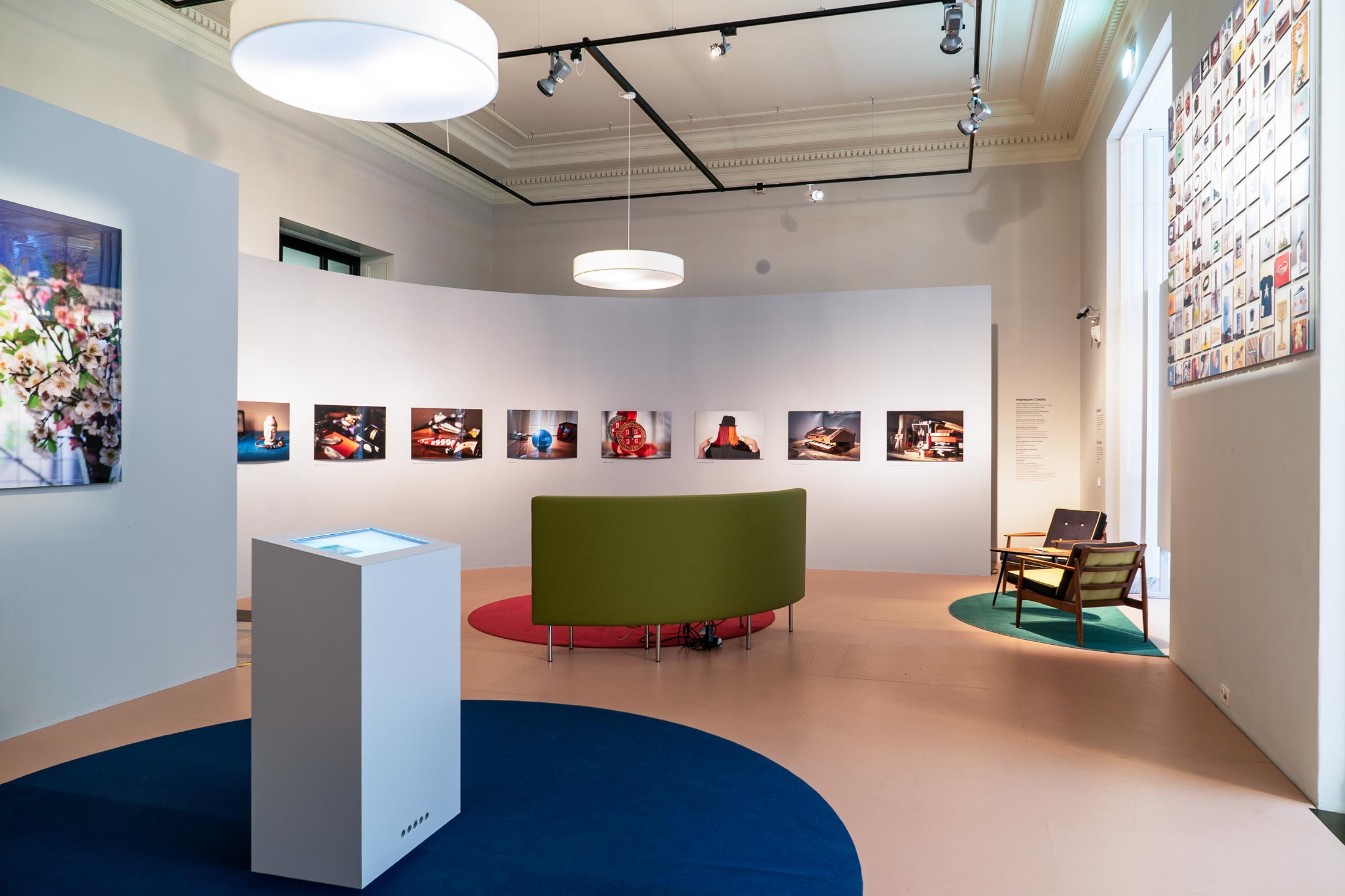
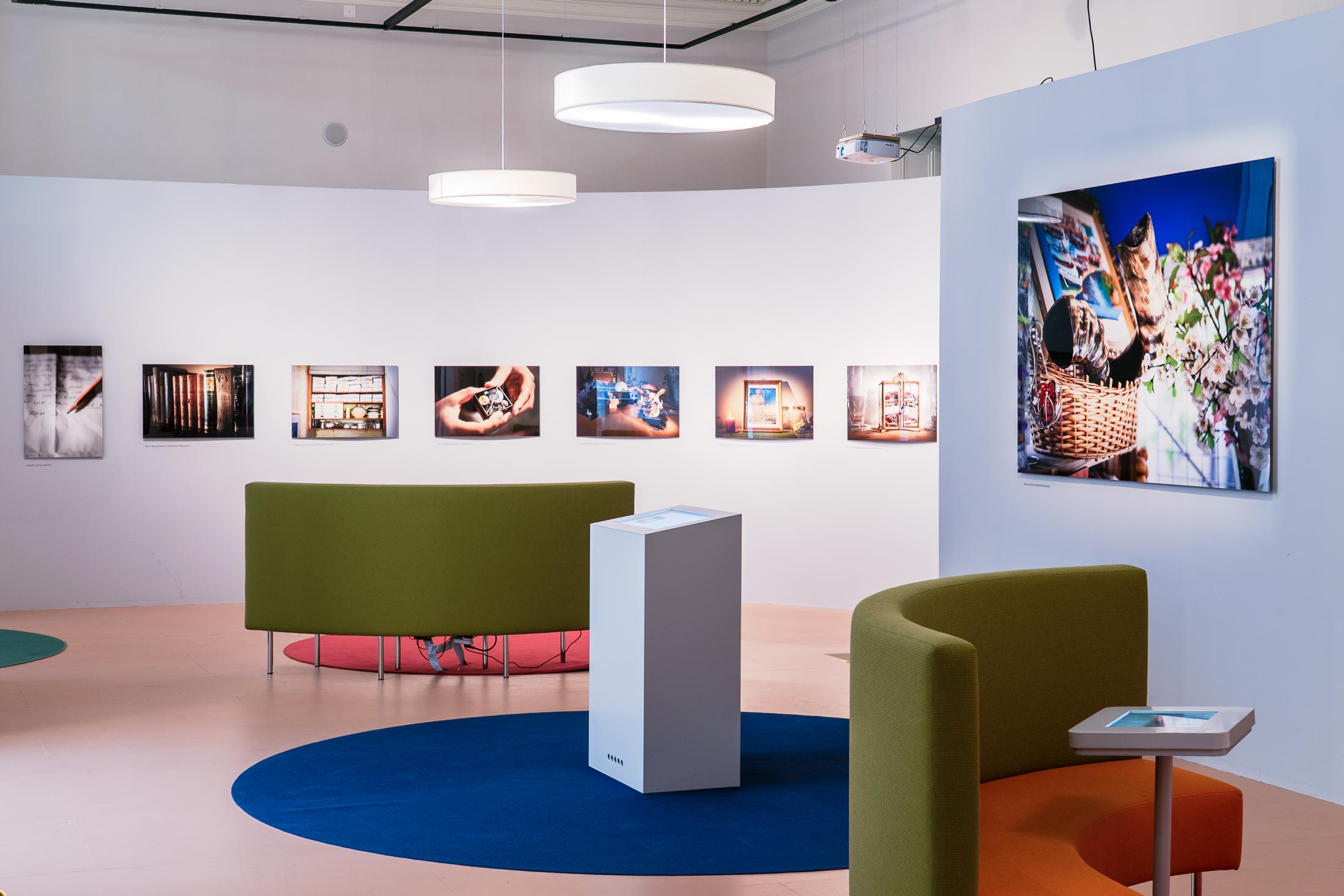
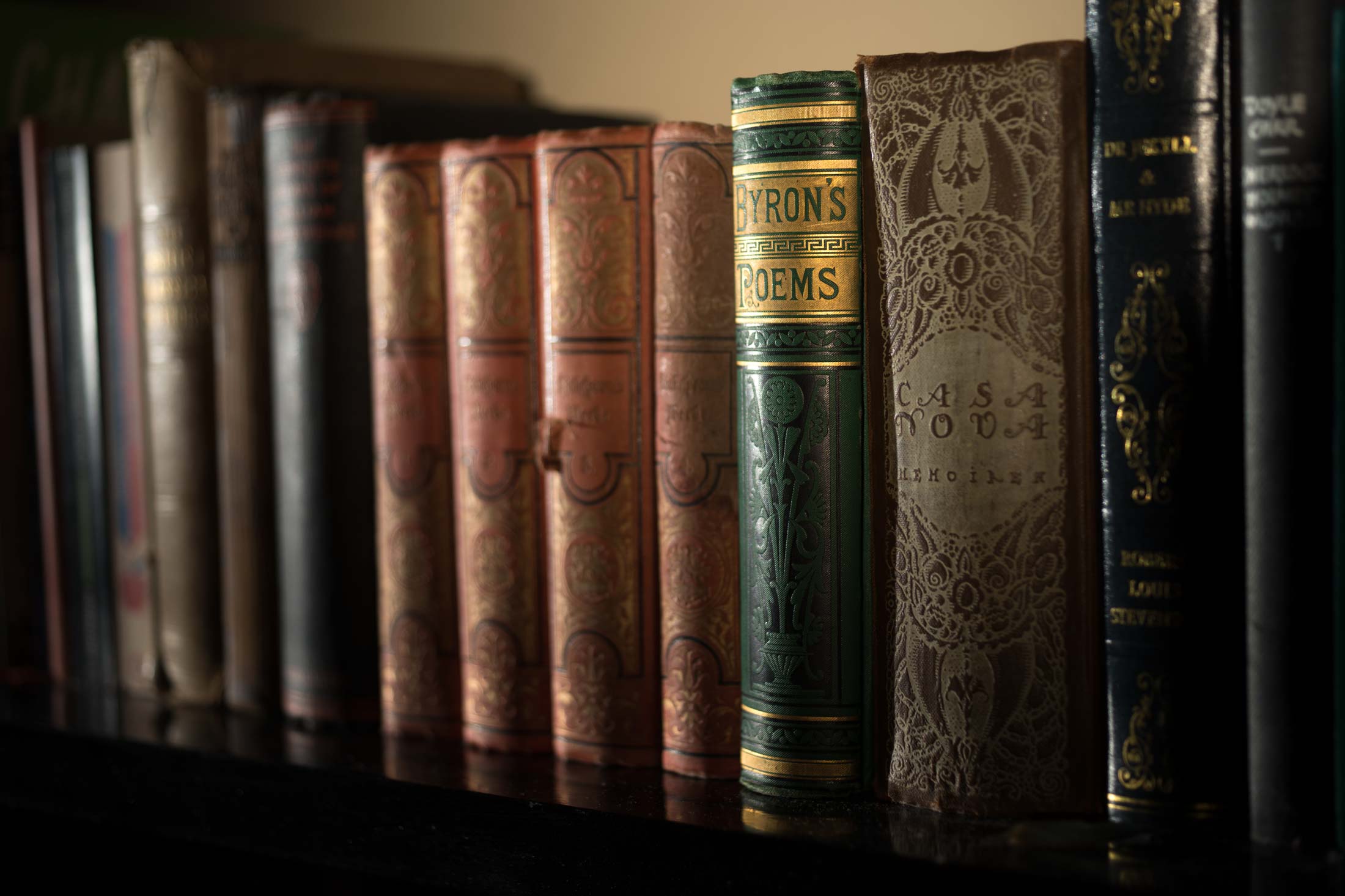
    From these 150 stories, 20 were selected for further development. Adler photographed the objects, mostly in the places where their owners kept them, creating a series titled Object Portraits. The original interviews were expanded into filmed conversations with the owners. In addition, other contributors were also filmed, offering their own perspectives on each object, introducing different interpretations and forms of knowledge alongside the owners’ accounts. Rather than producing a definitive interpretation of each object, these different perspectives were presented alongside one another, allowing their relationships, agreements and contradictions to emerge.

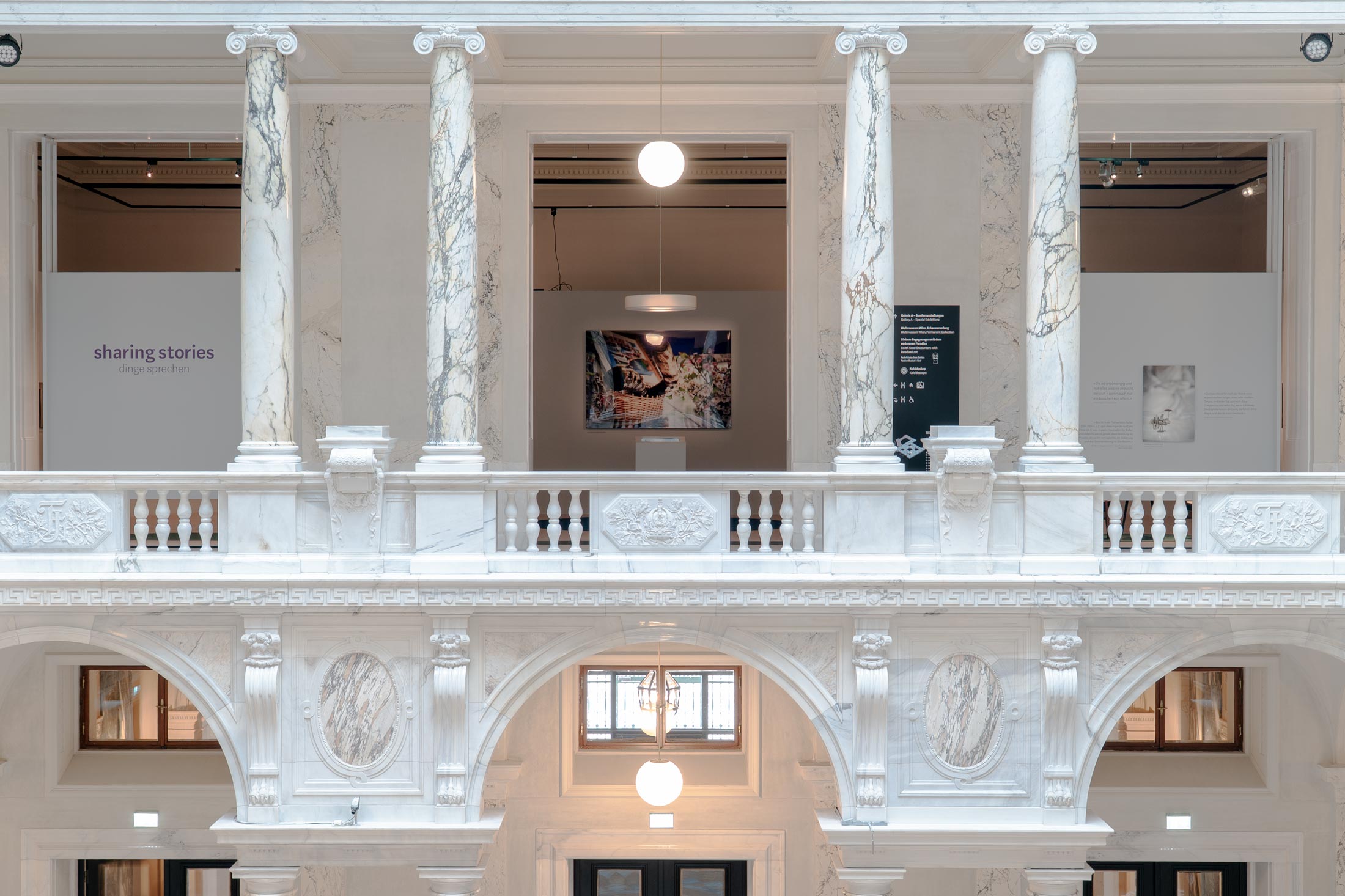
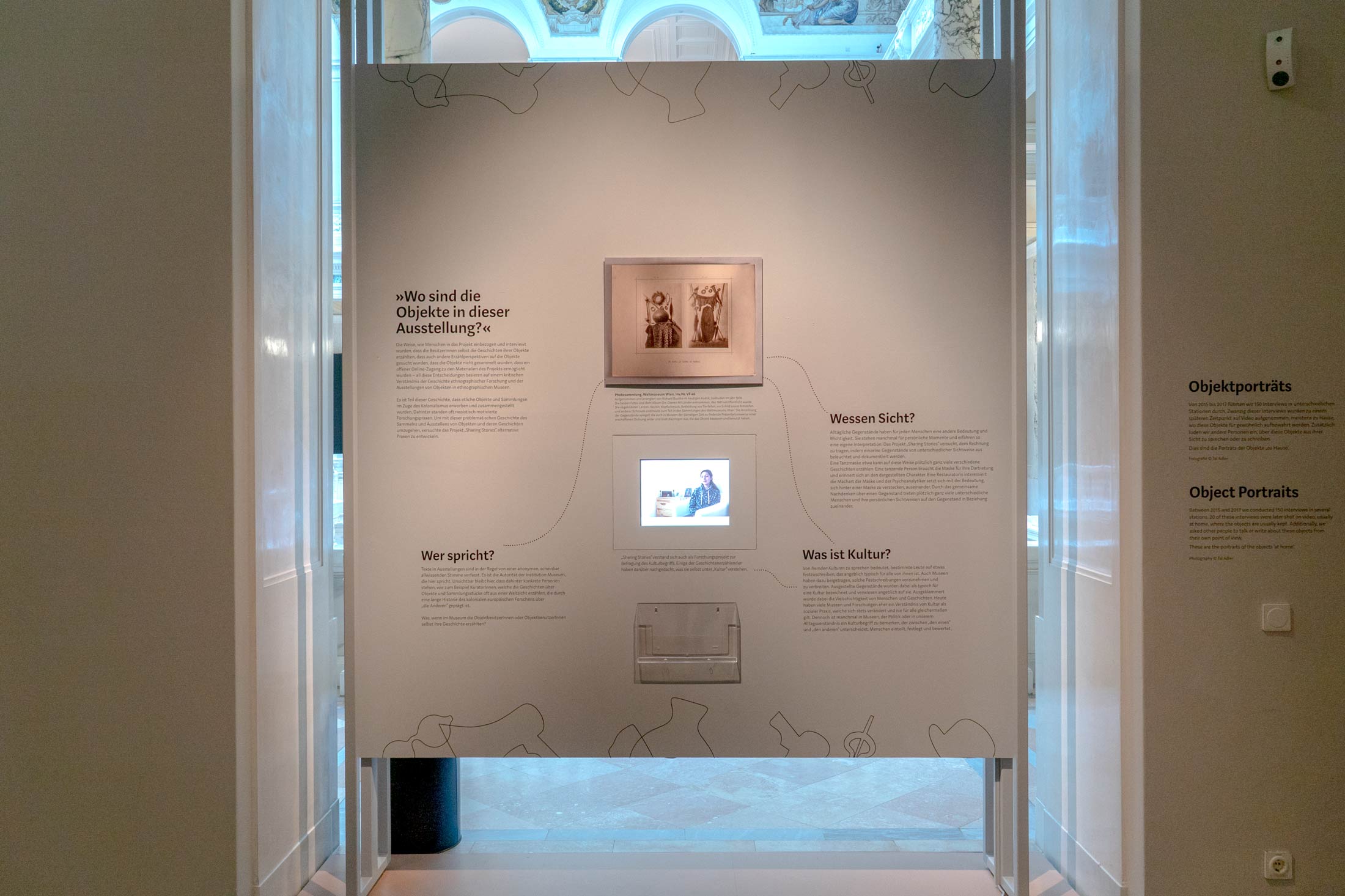
    The project culminated in an exhibition at the reopened Weltmuseum Wien in 2017. The exhibition presented the Object Portraits series, two interactive media stations featuring filmed conversations with the objects’ owners and additional contributors, and a four-channel video projection combining images of the objects with excerpts from the interviews. An accompanying book brought together photographs of all 150 objects and summaries of their owners’ stories.


    Exhibition views and selected works: Click to enlarge


    Commissioned and produced by the Weltmuseum Wien
    Artistic Concept: Tal Adler
    Curatorial Team: Tal Adler, Claudia Augustat, Elisabeth Bernroitner, Bianca Figl, Karin Schneider, Jani Kuhnt-Saptodewo
    Interviewers: Elisabeth Bernroitner, Lisa Zalud, Oliviu Moiseanu, Karin Schneider, Ekaterina Holler, Bianca Figl, Christiane Thenius, Linda Wössner
    Partners and interview stations: Brunnenpassage, Caritas Haus Franz Borgia, ImPulsTanz Festival, Produktionsschule, Spacelab, TEDxVienna, Volkskundemuseum Wien, ZOOM Kindermuseum

    Video Production:
    Director of Photography: Tal Adler
    Camera & Editing: David Rabeder
    Sound & Colouring: Simon Rabeder

    Exhibition Design: Gerhard Veigel
    Graphic design: Sofie Mayer
    Assembling: Winter Artservice
    Multimedia: p.c.a. edv beratung gmbh, Thomas Gregorc

  • You’ll be the Judge

    You’ll be the Judge

    This Project’s description is coming soon!


    Project’s credits are coming soon!

  • SchwarzOesterreich (Black Austria)

    SchwarzOesterreich (Black Austria)

    This Project’s description is coming soon!


    Project’s credits are coming soon!

  • Taken to Court

    Taken to Court

    This Project’s description is coming soon!


    Project’s credits are coming soon!

  • The Crime Scenes of Mauthausen

    The Crime Scenes of Mauthausen

    This Project’s description is coming soon!


    Project’s credits are coming soon!

  • Alpenländische Studien

    Alpenländische Studien

    This Project’s description is coming soon!


    Project’s credits are coming soon!

  • Stories Your Guide Won’t Tell You About Vienna

    Stories Your Guide Won’t Tell You About Vienna

    This Project’s description is coming soon!


    Project’s credits are coming soon!

  • LL Shooting Setup

    Large format camera in front of a picturesque landscape. In front of the camera is a long bubble level embedded in a large acrylic glass plate.
    Typical shooting setup of the Leveled Landscapes series

    The making of Leveled Landscapes

    A typical setup used for shooting the Leveled Landscapes project. Photographs in this series were captured with a Linhof large format camera and a custom-made* large plexiglass plate with an embedded bubble level. The series captured landscapes with troubling histories throughout Austria between 2012 and 2014.

    * Level construction: Yuval Kedem “Galileo”, Tel Aviv

  • Landhausplatz

    Out of focus building under construction, a large crane, and a tall seven-branch menorah. In the foreground and in focus is a long bubble level.
    Eduard-Wallnoefer-Platz, Innsbruck, Tyrol, 2012

    Eduard-Wallnoefer-Platz, Innsbruck, Tyrol, 2012

    Initiated and designed by high-school students, the seven-meter Menorah, built 1997, commemorates the 1938 November Pogrom. Located in a square named after Tyrol’s governor, who was Nazi party member, Tyrol’s first public Holocaust commemoration simplifies the events by ignoring local academic research and using the stereotypical religious symbol.

    Eduard-Wallnöfer-Platz, Innsbruck, Tirol, 2012

    Die 1997 von SchülerInnen initierte und geplante 7 meter hohe Menorah erinnert an das November-Pogrom 1938 in Innsbruck. Sie steht auf einem Platz, der nach dem Tiroler Landeshauptmann und NSDAP-Mitglied Wallnöfer benannt ist. Das Denkmal vereinfacht die Vergangenheit durch das Ignorieren localer wissenschaftlicher Erkenntnisse und die Verwendung eines stereotypen religiösen Symbols.

  • Riesenrad

    Out of focus Ferris wheel against evening skies. In the foreground and in focus is a long bubble level.
    Vienna’s Giant Ferris Wheel (Das Riesenrad), Vienna, 2012

    Vienna’s Giant Ferris Wheel, Vienna, 2012

    Perhaps the most famous Viennese landmark, it was actually the Nazis who gave it its status after robbing it from its Jewish owner, Eduard Steiner, and murdering him in Auschwitz concentration camp, around 1944. This history is still absent from the Riesenrad’s official presentations.

    Das Wiener Riesensrad, Wien, 2012

    Vielleicht das berühmteste Wiener Wahrzeichen. Es waren tatsächlich die Nazis, welche ihm diesen Status gaben, nachdem sie es von seinem jüdischen Besitzer, Eduard Steiner, gestohlen hatten und ihn im KZ Auschwitz 1944 ermordeten. Diese Geschichte fehlt immer noch in den offiziellen Präsentationen des Riesenrades.

  • Stephansdom

    Out of focus silhouette of a church's tower and other buildings against darke evening skies. In the foreground and in focus is a long bubble level.
    St. Stephen’s cathedral (Stephansdom), Vienna, 2012

    St. Stephen’s cathedral (Stephansdom), Vienna, 2012

    With 5.2 million visitors per year, the Stephansdom is Vienna’s most recognized symbol. It is also a symbol for the creation of the victim myths after WWII by disseminating a false narrative regarding its destruction during the last days of WWII.

    Stephansdom, Wien, 2012

    Mit jährlich 5,2 Millionen Besucher_innen ist der Stephansdom Wiens meist beachtetes Symbol. Durch die Verbreitung einer falschen Geschichte, seiner Zerstörung in den letzten Kriegstagen ist er auch ein Symbol für die Erschaffung der Opfermythen nach dem zweiten Weltkrieg.

  • Stadtpark

    Out of focus golden sculpture of a man playing violin. In the foreground and in focus is a long bubble level.
    Stadtpark, Vienna, 2012

    Stadtpark, Vienna, 2012

    The story of Seibane Wague, Mauritanian physicist living in Austria since 1996, killed by the police and medical team on the night of July 15, 2003 during an African cultural event, is still missed at the park after his memorial was maliciously set on fire a week after his killing.

    Stadtpark, Wien, 2012

    Die Geschichte von Seibane Wague – Mauretanischer Physiker, in Österreich seit 1996, getötet von der Polizei und dem Rettungsteam in der Nacht des 15. Juli 2003 während eines Afrikanischen Kulturevents – fehlt im Park immer noch, nachdem sein Mahnmal eine Woche nach seiner Tötung in Brand gesteckt wurde.

  • Seefeld

    Out of focus picturesque scene of village houses and cloud-covered mountains in the background. In the foreground and in focus is a long bubble level.
    Mösern / Seefeld, Tyrol, 2012

    Mösern / Seefeld, Tyrol, 2012

    Here during the last days of WWII, in one of the Death Marches, around 1,700 Jewish prisoners of the Dachau concentration camp were brought by train, marched, starved, frozen, many murdered. Nowadays, many tourists arrive here especially for the well-organized hiking paths in the area.

    Mösern / Seefeld, Tirol 2012

    Hier her wurden in den letzten Tagen des Krieges in einem der Todesmärsche rund 1.700 jüdische Gefangene aus dem KZ Dachau mit der Bahn transportiert. Marschierend, verhungernd, erfrierend, viele wurden ermordet. Heute kommen viele Touristen hier her, vor allem wegen der gut organisierten Wanderwege.

  • Western Cemetery

    Out of focus silhouette of a sculpture of a man's bust, Alpine mountains and sunset lit clouds in the background. In the foreground and in focus is a long bubble level.
    Western Cemetery, Innsbruck, Tyrol, 2012

    Western Cemetery, Innsbruck, Tyrol, 2012

    Among other extreme right-wingers of the Pan-German student fraternity (Burschenschaft) Suevia, the monument for their dead honors SS member Gerhard Lausegger, who murdered the head of the Jewish community in Innsbruck, Richard Berger, during the November pogrom of 1938, and fled to Argentina after the end of the war.

    Westfriedhof, Innsbruck, Tirol, 2012

    Neben anderen rechtsextremen Mitgliedern der deutschnationalen Burschenschaft Suevia ehrt ihr Denkmal am Westfriedhof das SS Mitglied Gerhard Lausegger. Dieser ermordete während des November Pogroms 1938 den Vorstand der Israelitischen Kultusgemeinde in Innsbruck, Richard Berger und floh 1947 nach Argentinien.

  • Viehofen

    Out of focus landscape in sunset colors. In the foreground and in focus is a long bubble level.
    The lake in Viehofen, St. Pölten, Lower Austria, 2012

    The lake in Viehofen, St. Pölten, Lower Austria, 2012

    The forced labor camp for Hungarian Jews during WWII, flooded under water of a quarry in the 1960s, and converted to a recreational area by St. Pölten, 2005. Its story surfaced partially the same year, thanks to writer Manfred Wieninger, followed by an art project by Catrin Bolt and Tatiana lecomte, 2010.

    Viehofner Seen, St. Pölten, Niederösterreich, 2012

    Das Zwangsarbeiterlager für ungarische Juden während des zweiten Weltkrieges, in den 1960ern vom Wasser des Schotterabbaus überflutet und 2005 von der Stadt St. Pölten in ein Erholungsgebiet umgewidmet. Im selben Jahr tauchte seine Geschichte dank des Schriftstellers Manfred Wieninger, gefolgt von Kunstprojekten von Catrin Bolt und Tatiana Lecomte teilweise wieder auf.

  • Leveled Landscapes

    Leveled Landscapes

    The project explores Austrian sites whose difficult histories remain unsettled, contested, neglected or buried. A series of photographs, usually exhibited alongside an open archive, reveal burdened landscapes in which history, memory and commemoration are an ongoing political process. A bubble level (spirit level, Wasserwaage) positioned in the foreground of the image renders the landscapes as soft, slightly out-of-focus backgrounds.

    The bubble level is a measurement tool – it is the precondition for leveling grounds and the construction of new realities. Embedded in the photographic apparatus itself, the level provides visual assurance and a sense of reliability, granting a ‘natural’ perception of the scenery. Landscape, one of the first and most captured subjects of photography, is neither neutral nor natural or innocent.

    Leveled Landscapes investigates how politics of memory and commemoration shape landscapes. It portrays the way national processes of narration and myth construct our perception of landscapes, the way we capture them, render them, and live in them.


    Selected works: Click to view individual pages


    Leveled Landscapes is part of a project trilogy about the politics of memory in Austria, produced in collaboration with Karin Schneider as part of the research projects MemScreen (2011-2013) and Conserved Memories (2013-2016) based at the Academy of Fine Arts in Vienna. These projects were funded by the Austrian Science Fund under their Programme for Arts-based Research (PEEK: AR 96, AR 212-G21).

  • Voluntary Participation

    Voluntary Participation

    This Project’s description is coming soon!


    Voluntary Participation is part of a project trilogy about the politics of memory in Austria, produced in collaboration with Karin Schneider as part of the research projects MemScreen (2011-2013) and Conserved Memories (2013-2016) based at the Academy of Fine Arts in Vienna. These projects were funded by the Austrian Science Fund under their Programme for Arts-based Research (PEEK: AR 96, AR 212-G21).

  • Dispersed Fragments

    Dispersed Fragments

    This Project’s description is coming soon!


    Dispersed Fragments is part of a project trilogy about the politics of memory in Austria, produced in collaboration with Karin Schneider as part of the research projects MemScreen (2011-2013) and Conserved Memories (2013-2016) based at the Academy of Fine Arts in Vienna. These projects were funded by the Austrian Science Fund under their Programme for Arts-based Research (PEEK: AR 96, AR 212-G21).

  • Austrian Memory Archive

    Austrian Memory Archive

    This Project’s description is coming soon!


    Project’s credits are coming soon!

  • The Missing Link

    The Missing Link

    This Project’s description is coming soon!


    Project’s credits are coming soon!

  • OneState Embassy

    OneState Embassy

    This Project’s description is coming soon!


    Project’s credits are coming soon!

  • Overlapping Voices

    Overlapping Voices

    This Project’s description is coming soon!


    Project’s credits are coming soon!

  • Unrecognized

    Unrecognized

    This Project’s description is coming soon!


    Project’s credits are coming soon!

  • A Dozen Roses

    A Dozen Roses

    This Project’s description is coming soon!


    Project’s credits are coming soon!

  • Progerganda

    Progerganda

    This Project’s description is coming soon!


    Project’s credits are coming soon!

  • Pettek Party and The Alternative Elections

    Pettek Party and The Alternative Elections

    This Project’s description is coming soon!


    Project’s credits are coming soon!

  • Conflict 1 to 1,000

    Conflict 1 to 1,000

    This Project’s description is coming soon!


    Project’s credits are coming soon!

  • Ayman Constructions Enterprises

    Ayman Constructions Enterprises

    This Project’s description is coming soon!


    Project’s credits are coming soon!

  • Reframe

    Reframe

    This Project’s description is coming soon!


    Project’s credits are coming soon!

  • I Left Everything Behind

    I Left Everything Behind

    This Project’s description is coming soon!


    Project’s credits are coming soon!

  • 250 Matches

    250 Matches

    This Project’s description is coming soon!


    Project’s credits are coming soon!

  • Shimon & Shimon

    Shimon & Shimon

    This Project’s description is coming soon!


    Project’s credits are coming soon!

  • Collectors’ Items

    Collectors’ Items

    This Project’s description is coming soon!


    Project’s credits are coming soon!