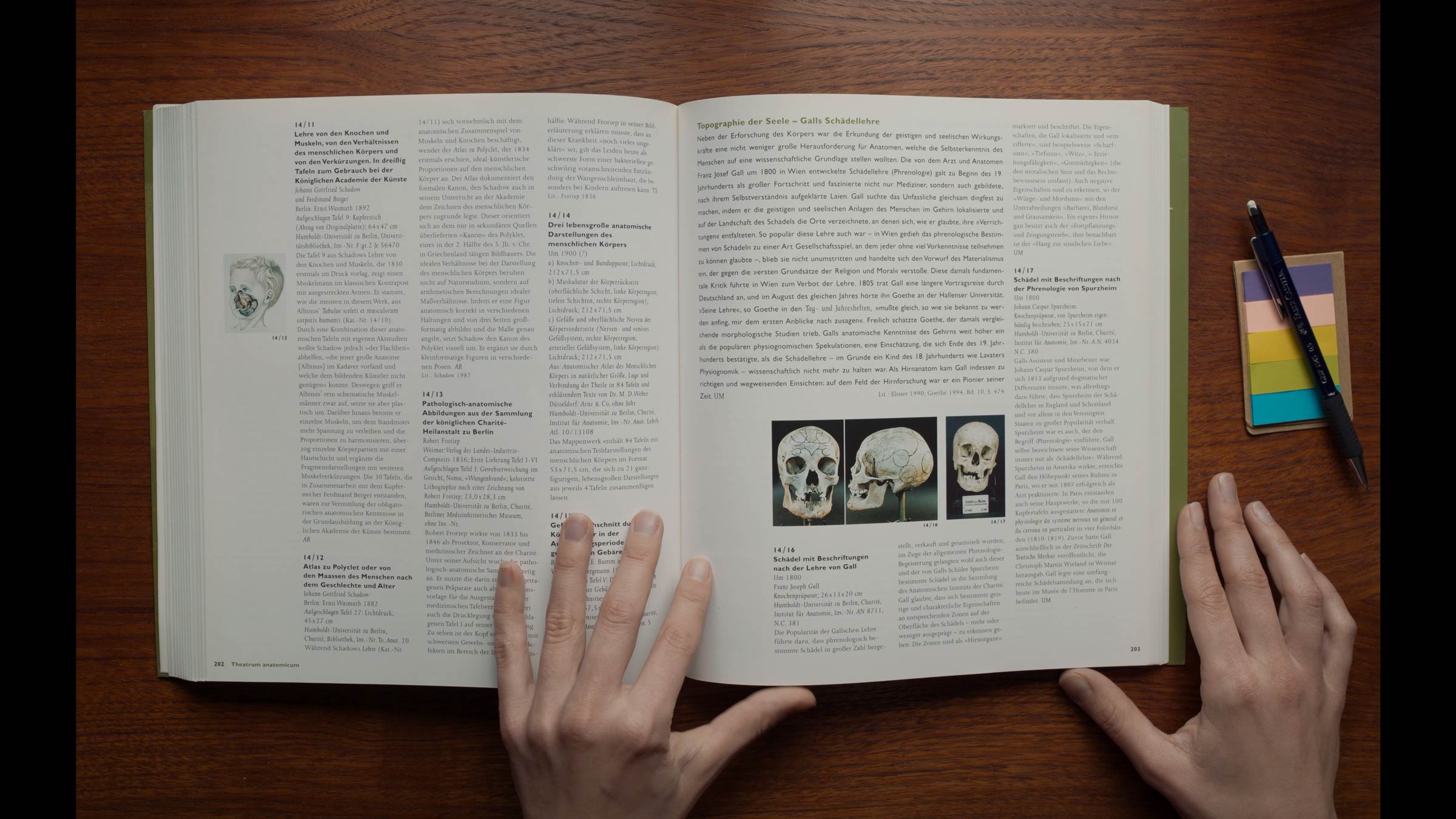
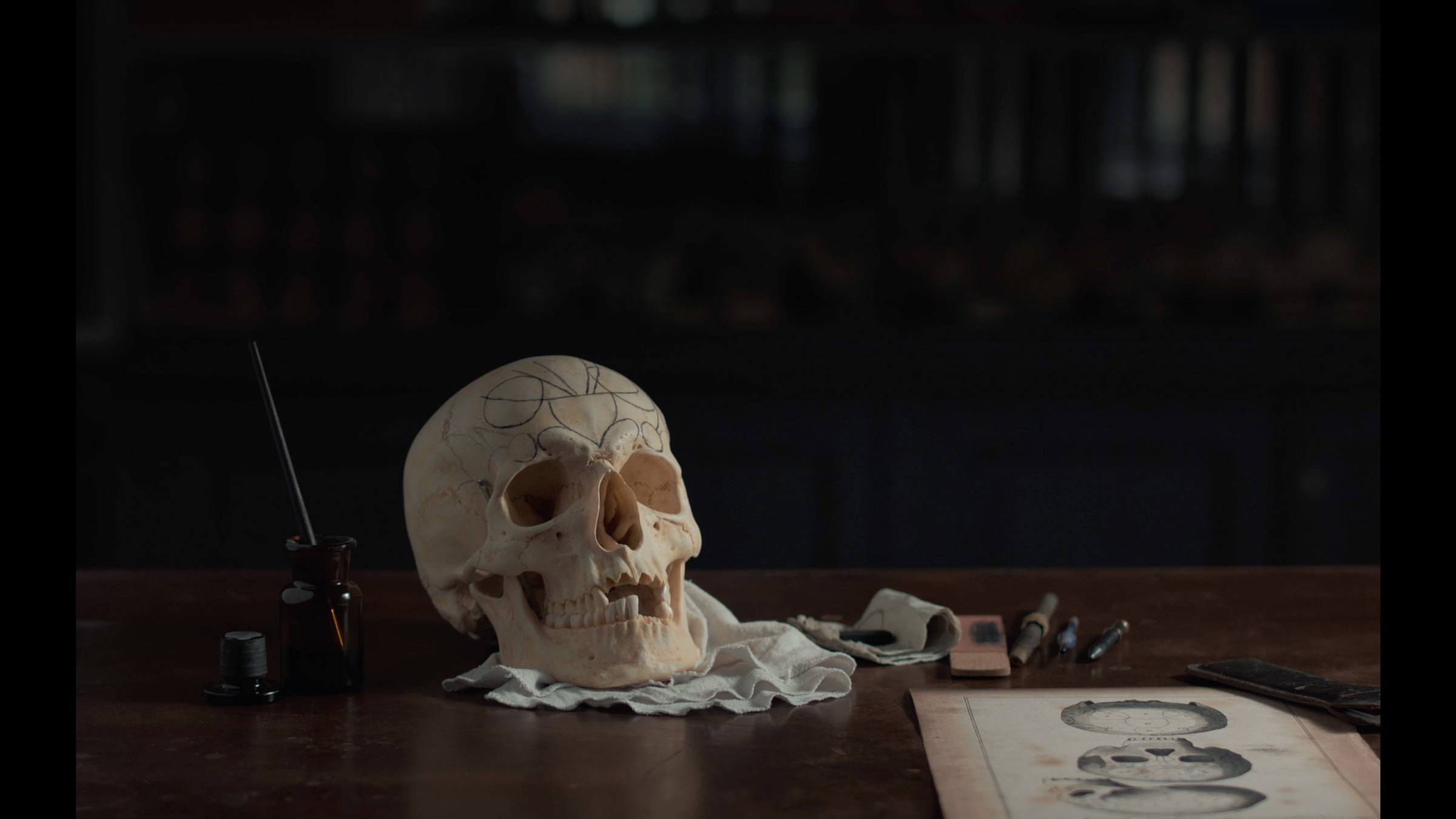
The project began in 2019 with a disagreement among the curators of the Humboldt Lab at the Humboldt Forum in Berlin. They were considering exhibiting an unidentified human skull from the Anatomical Collection of the Charité, marked with phrenological inscriptions according to the theories of Franz Joseph Gall. The skull had already appeared in numerous scientific exhibitions, commonly referred to as the ‘Gall skull’, while nothing was known about the person to whom it had belonged.
Based on his work on Dead Images, a long-term project on the histories, ethics and politics of collections of human remains, Tal Adler was invited by Humboldt Lab curator Friedrich von Bose to consult with the curatorial team. Adler proposed an artistic research project that would turn the curatorial dilemma itself into the subject of inquiry and would avoid exhibiting the skull – shifting attention from Gall and phrenology towards the unidentified person whose remains had become a collection and exhibition object.
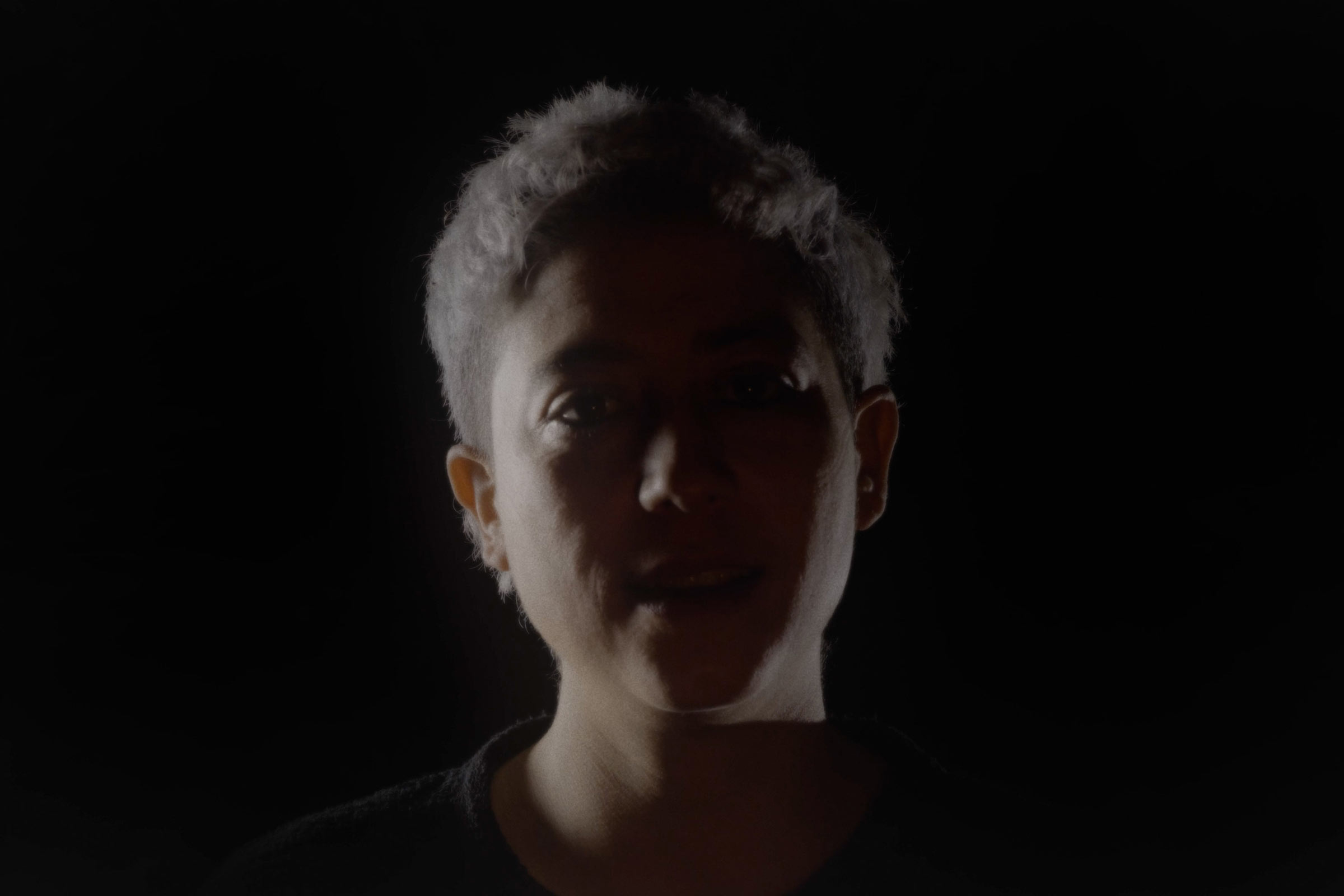
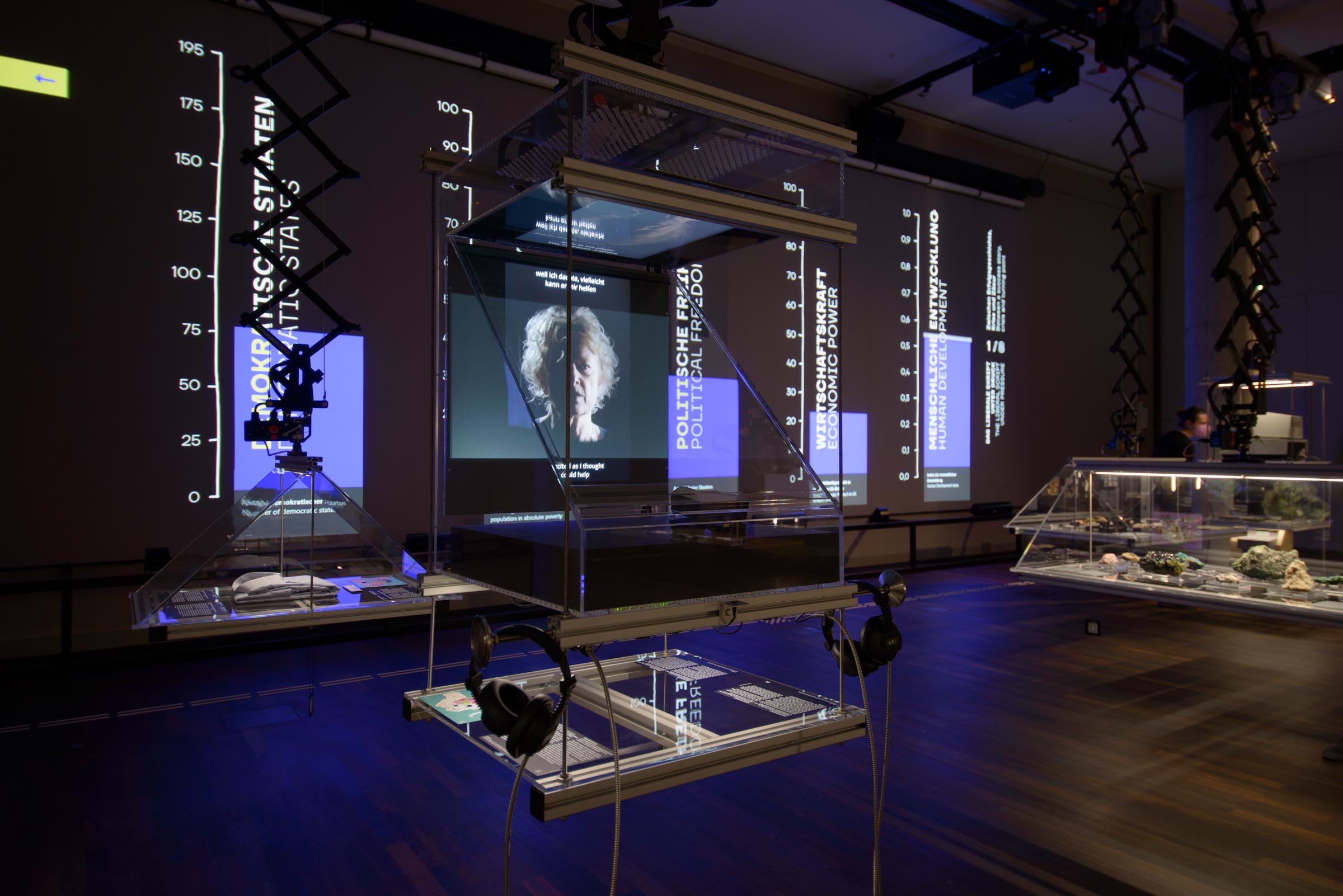
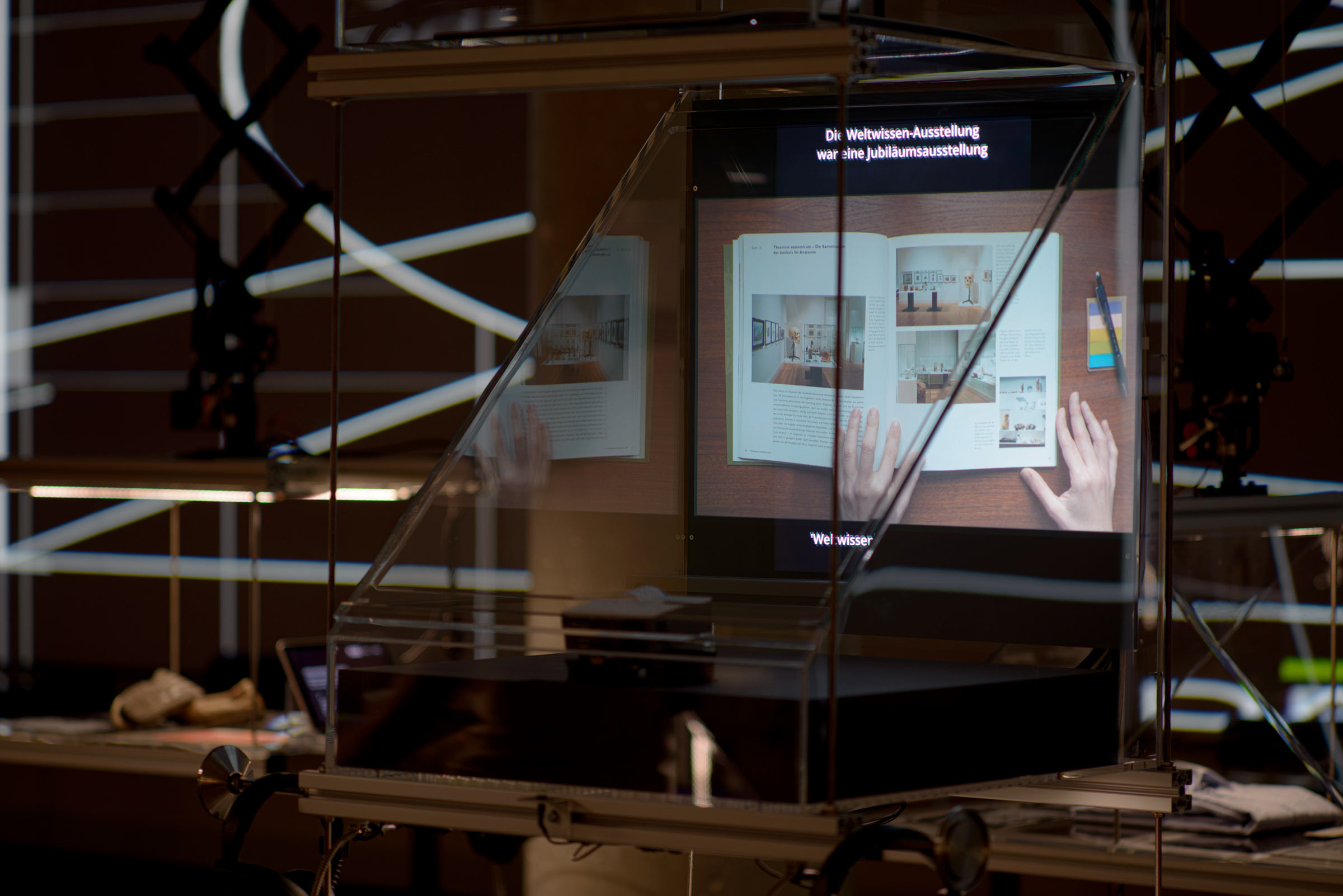
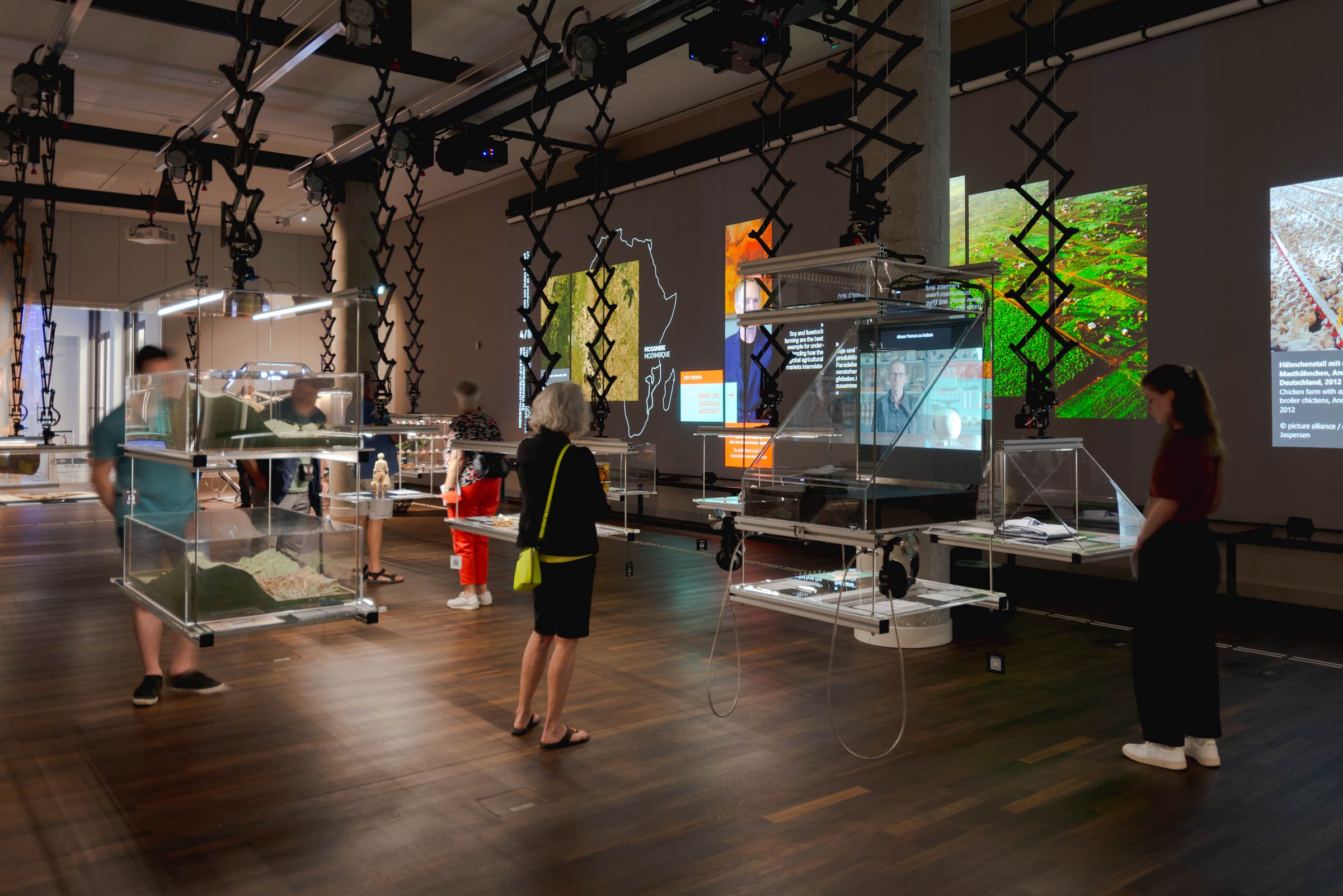
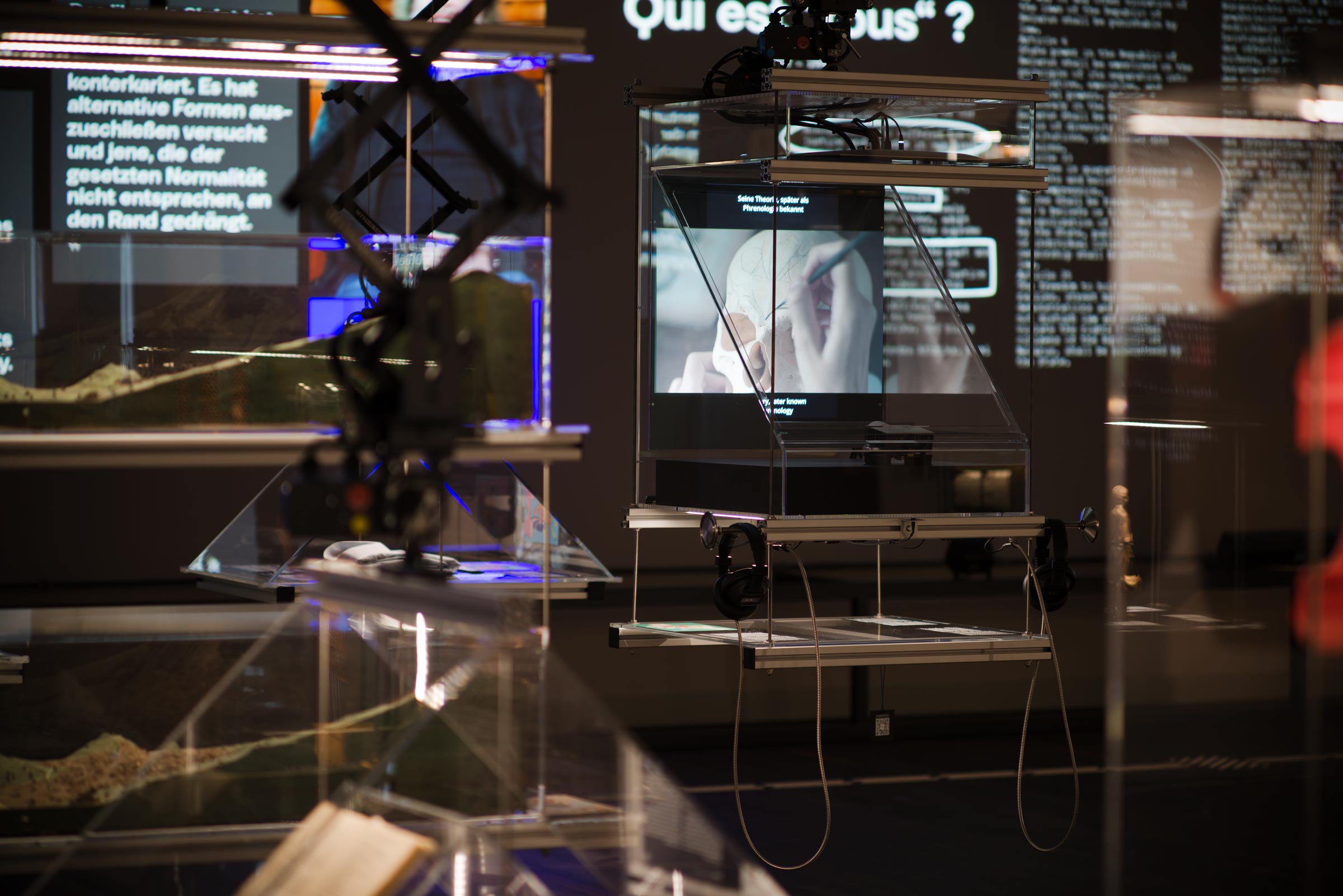
When the Humboldt Lab opened in 2021, the skull’s now empty showcase was replaced by a Pepper’s Ghost installation containing a two-channel video. At its centre were encounters with spirits who claimed the skull as their own, alongside interviews with the living addressing the curatorial conflict, anatomical collections, phrenology, provenance and the ethics of displaying human remains. The installation remained at the Humboldt Lab until 2025.
The inquiry continued beyond the exhibition. When Adler’s attempts to initiate conventional provenance research through the institutions concerned were unsuccessful, Who is ID8470? itself commissioned, funded, managed and hosted that research. Reflecting on these processes led Adler to coin the term Artistic Provenance Research (APR).
Four chapters in the book Artistic Provenance Research provide complementary accounts of the project. Tal Adler’s ‘Who is ID8470?’ traces its development from the initial invitation through the exhibition and subsequent research, while ‘We Are ID8470’ focuses on the encounters with the spirits and the historical research into their biographies. Friedrich von Bose’s ‘Intervening Potentials’ examines the curatorial conflict and collaboration from the perspective of the curator who initiated the invitation. Marion A. Hulverscheidt’s ‘Searching for Fingerprints on ID 8470’ presents the scientific provenance research commissioned by the project.
Based at the Centre for Anthropological Research on Museums and Heritage (CARMAH), Humboldt-Universität zu Berlin, as part of Making Differences: Transforming Museums and Heritage in the Twenty-First Century. Funded through CARMAH director Sharon Macdonald’s Alexander von Humboldt Professorship. Developed in collaboration with the Humboldt Lab at the Humboldt Forum. Full production and contributor credits appear at the end of the Who is ID8470? video.