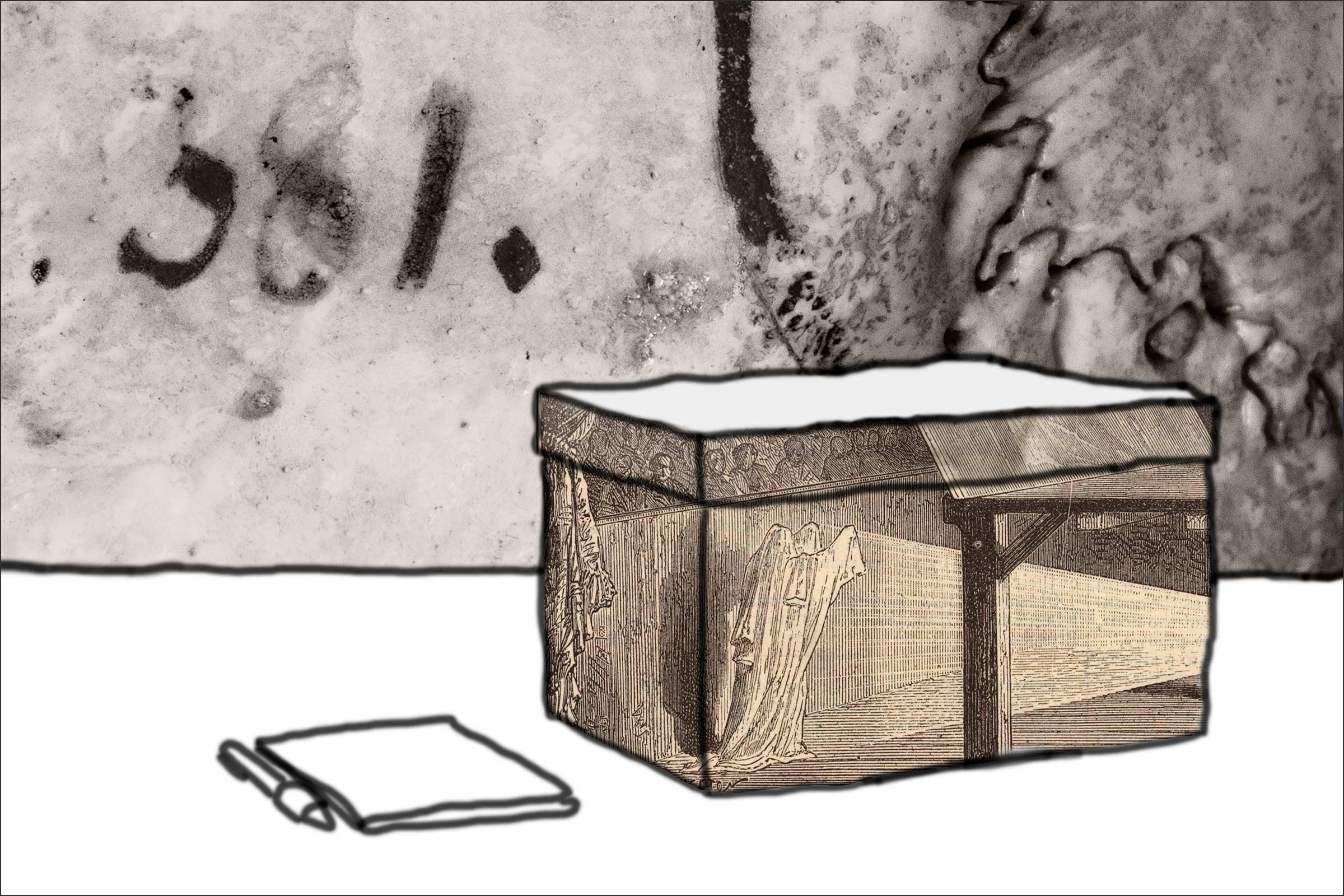
Artistic Provenance Research (APR) mobilizes artistic methods and sensibilities to engage with questions concerning the histories and ownership of objects and collections, including human remains and ancestors. APR can be both a form of provenance research and a reflection on how provenance research is conducted.
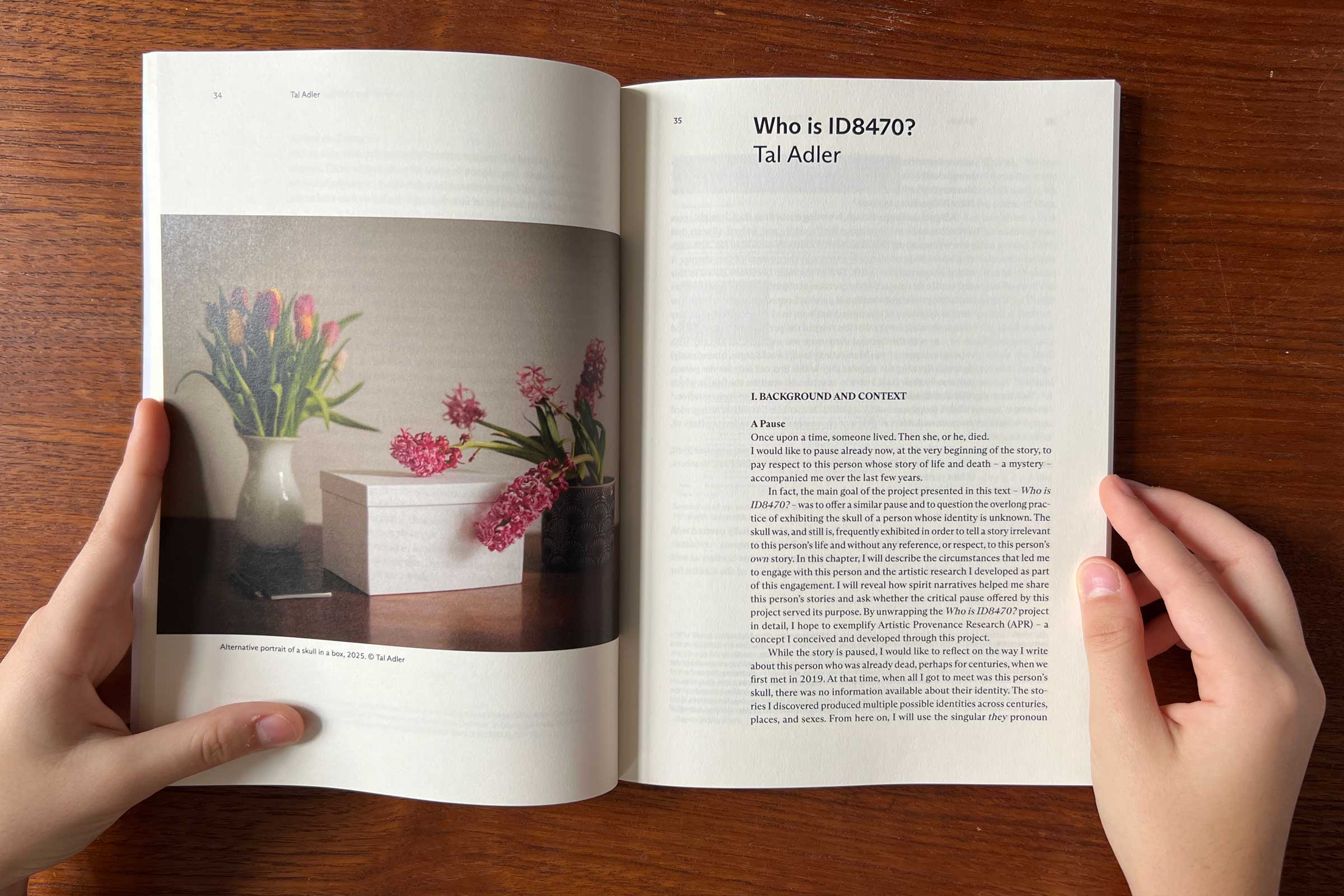
The concept of APR emerged through Adler’s project Who is ID8470?, which began in 2019 around an unidentified human skull in the anatomical collection of the Charité in Berlin. When attempts to initiate conventional provenance research through the institutions concerned were unsuccessful, the artistic-research project itself commissioned, funded, managed and hosted scientific provenance research as an integral part of its work. Reflecting on what this meant for both artistic research and provenance led Adler to coin the term Artistic Provenance Research. The concept was first presented publicly in 2022.
APR is deeply grounded in research, but expands the questions, methods and forms through which provenance can be investigated. It can work with archival and object-based research as well as collaboration, autobiographical reflection, artistic speculation and other ways of addressing gaps, absences and conflicting accounts. Its capacity to incorporate indeterminacy and ambiguity makes it possible to engage with aspects of an object’s history that cannot necessarily be resolved through documentary evidence alone. APR is not an alternative to conventional provenance research; it can work alongside it, support or initiate it, while also questioning its assumptions and limitations.
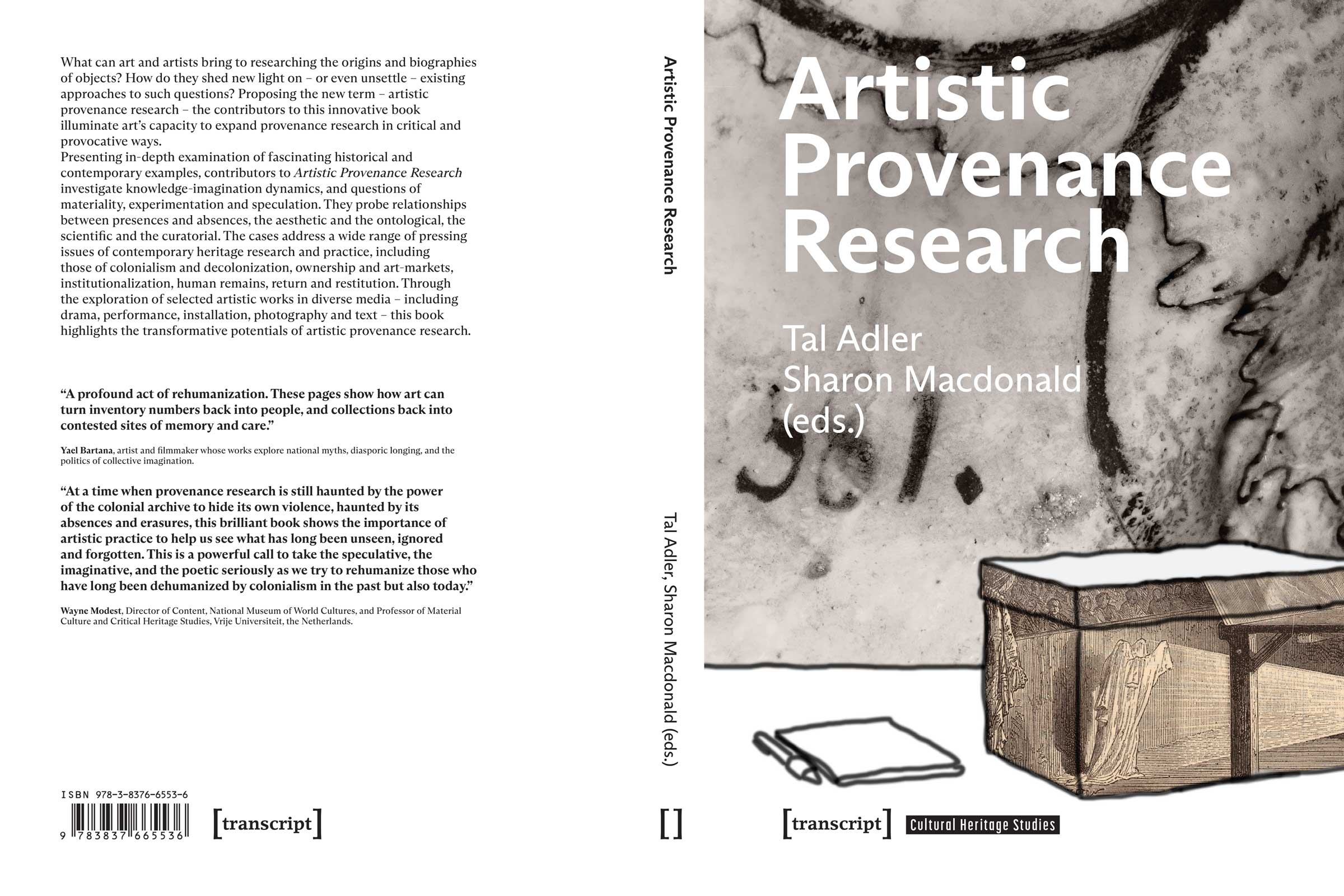
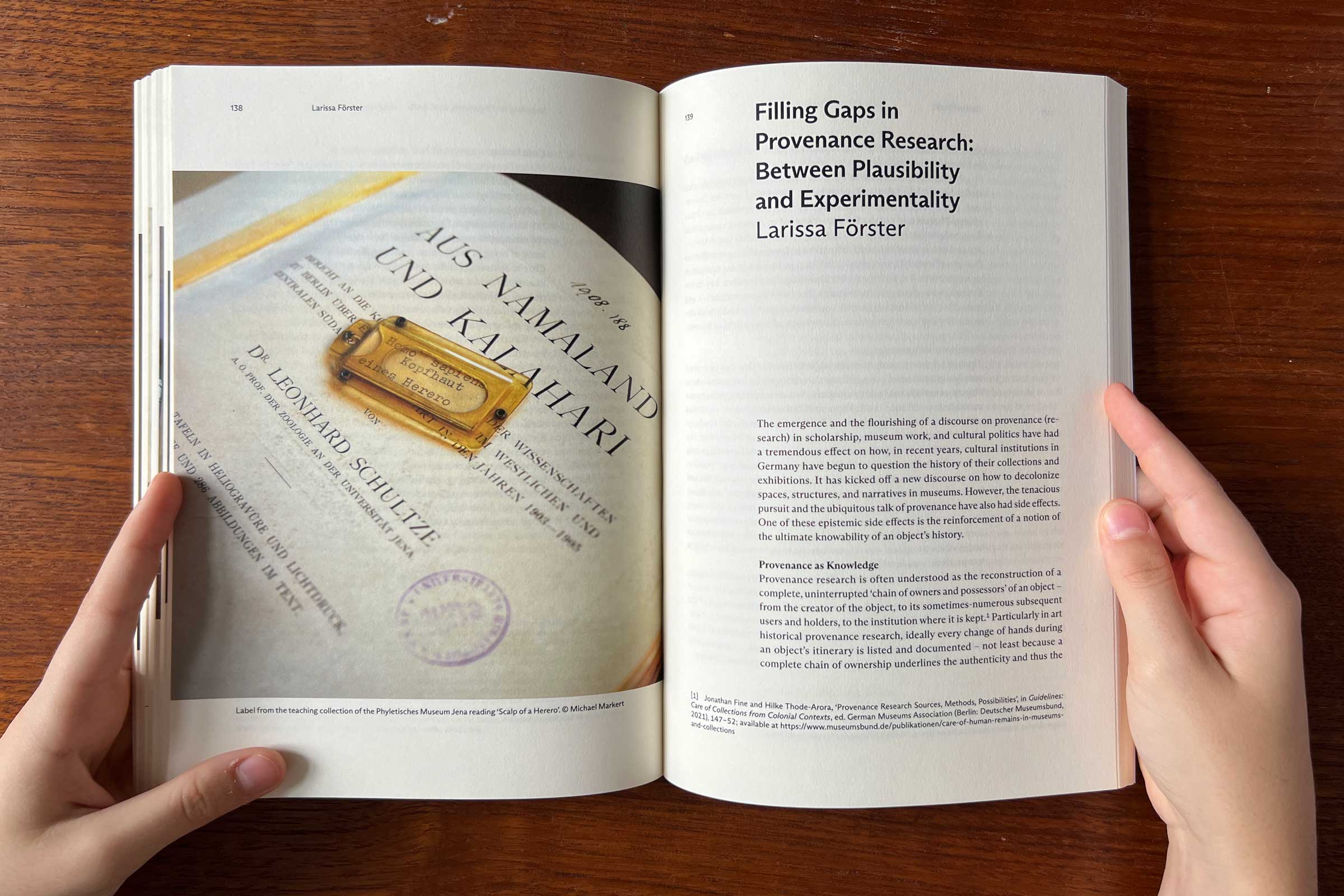
Adler developed the concept further together with Sharon Macdonald through research, discussions and examples of related practices by other artists and researchers. Their co-edited, open-access book Artistic Provenance Research, published by transcript in 2025, brings these approaches together and introduces APR into wider debate and practice.
Adler continues to employ and develop APR through his work with collections, archives and contested histories.
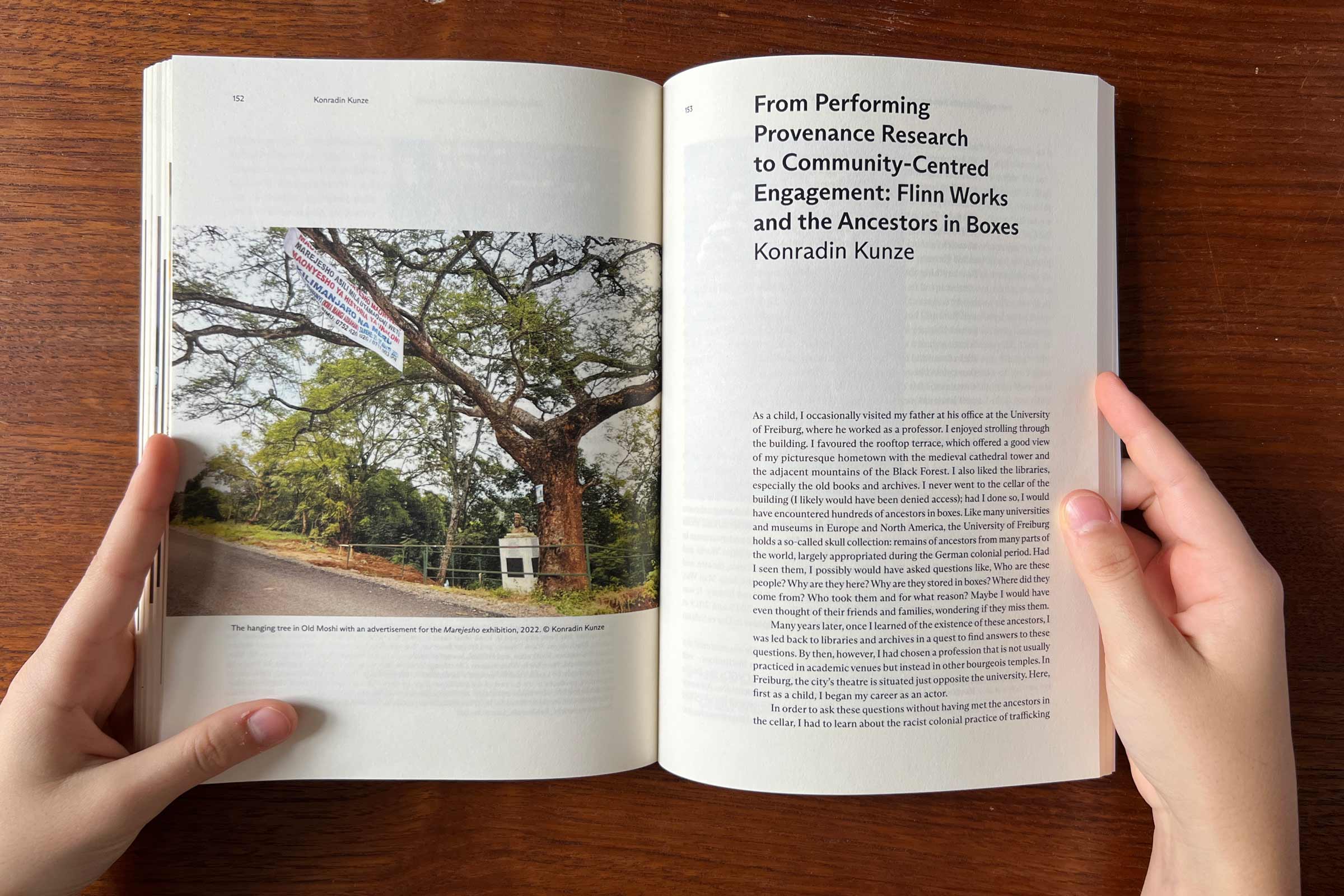
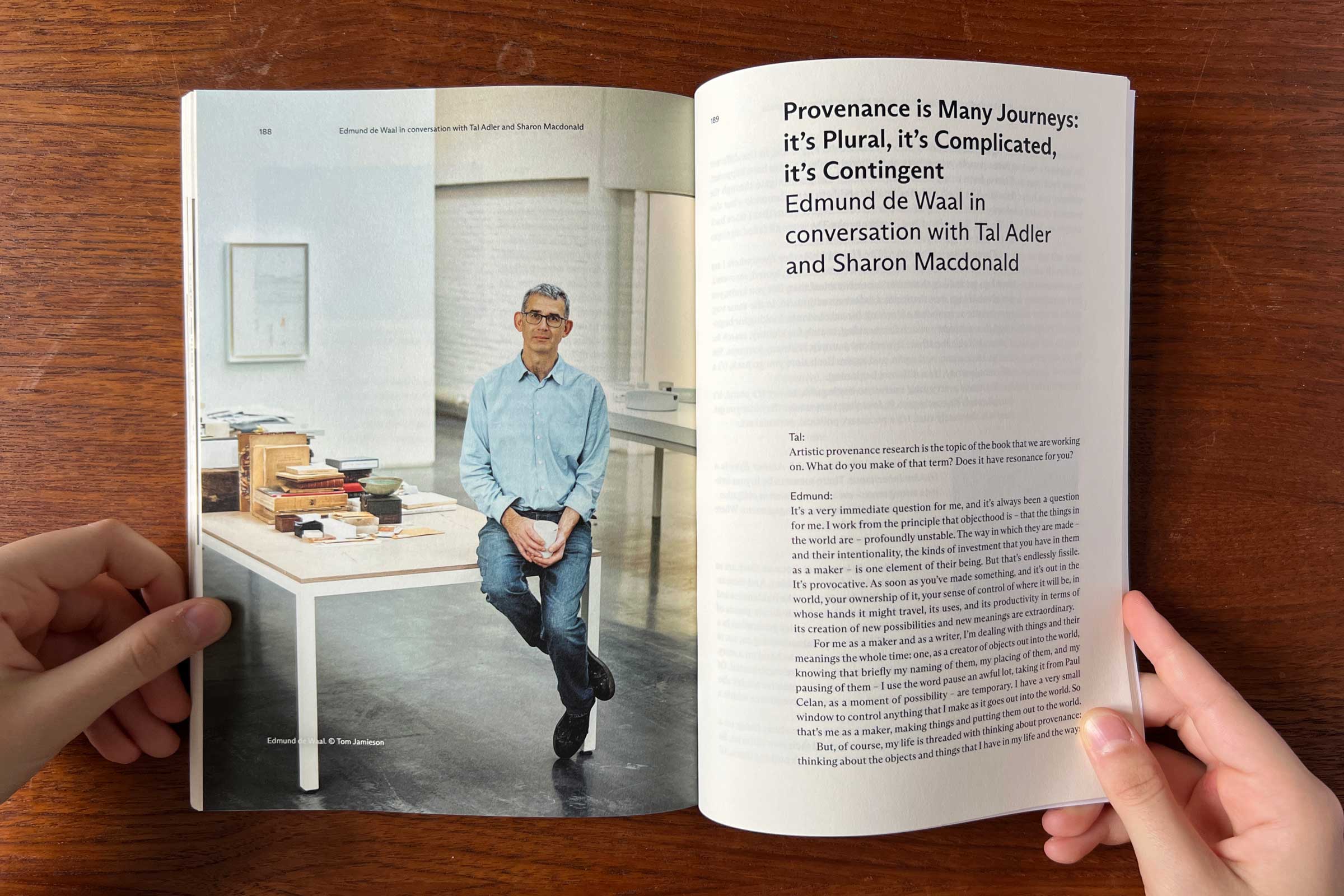
APR and Who is ID8470? were researched and developed at the Centre for Anthropological Research on Museums and Heritage (CARMAH), Humboldt-Universität zu Berlin under the Making Differences: Transforming Museums and Heritage in the Twenty-First Century project, funded primarily by Sharon Macdonald’s Alexander von Humboldt Foundation professorship.
Publication:
Artistic Provenance Research, edited by Tal Adler and Sharon Macdonald, transcript Verlag, 2025. Open-access was supported by the Open Access Publication Fund of Humboldt-Universität zu Berlin and the Alexander von Humboldt Foundation.
Graphic design: Gila Kaplan and Avi Bohbot.